Common Causes of Low Water Pressure in New Orleans Historic Homes
Discover why historic New Orleans homes experience low water pressure. Learn about mineral scale, aging galvanized pipes, and local plumbing factors.

Understanding Low Water Pressure in New Orleans Historic Properties
Stepping into a historic New Orleans home—whether it is a classic Creole cottage in the Marigny, a center-hall raised Victorian in the Garden District, or a shotgun house in Uptown—offers a deep connection to the city's architectural past. However, these architectural treasures come with aging infrastructure. Many property owners frequently encounter a frustrating household issue: mysteriously low water pressure. When turning on a vintage showerhead or kitchen faucet yields only a weak trickle, it disrupts daily routines and usually points to hidden issues within the home's aged plumbing network.
As an experienced local plumber working across the unique geography of New Orleans, diagnosing low water pressure requires an understanding of how older piping materials interact with local environmental factors. Unlike modern developments with seamless PEX or rigid PVC, historic properties often feature decades-old supply lines that have weathered generations of Louisiana humidity, shifting clay soils, and municipal water changes.
1. Galvanized Steel Pipe Corrosion and Internal Buildup
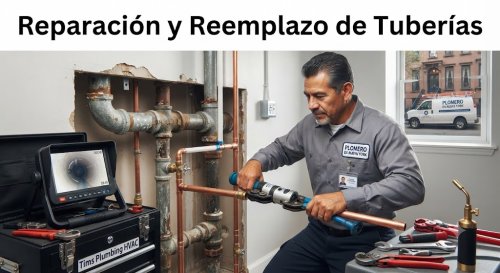
The single most common culprit behind low water pressure in older New Orleans houses is the presence of legacy galvanized steel supply piping. During the mid-20th century and earlier, galvanized iron was the standard material used for interior water distribution.
- The Science of Corrosion: Over decades of continuous water exposure, the zinc coating on the interior of galvanized pipes gradually erodes. Once the bare steel is exposed, it begins to rust and oxidize internally.
- Constriction of Flow: This rusting process creates rough, scabby mineral deposits inside the pipe wall. As these tubercles grow, they severely narrow the interior diameter of the pipe, choking water volume and reducing pressure long before it reaches your bathroom or kitchen fixtures.
- Whole-House Impact: If water pressure drops simultaneously across multiple fixtures throughout the house, internal pipe corrosion is the prime suspect.
2. Mineral Scaling and Hard Water Deposits
While New Orleans municipal water is treated and monitored, older homes frequently accumulate years of mineral scale inside fixtures, supply lines, and shut-off valves. Sediment, calcium, and other minerals accumulate quietly over time, particularly in areas with slower flow rates. Aerators on bathroom and kitchen faucets frequently catch these loose mineral particles, resulting in a sudden drop in pressure at a single sink while the rest of the house remains unaffected. Unscrewing the faucet aerator and inspecting the small screen is often the quickest diagnostic step a homeowner can take.
3. Pressure-Reducing Valve (PRV) Failures
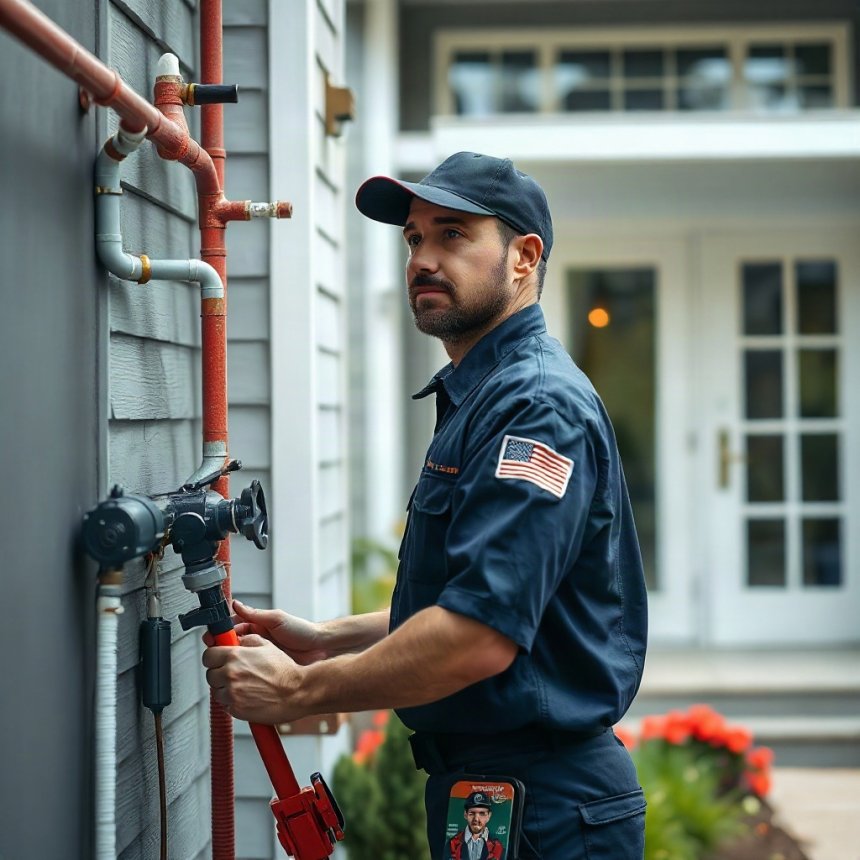
Many residential properties built or retrofitted in recent decades feature a Pressure-Reducing Valve (PRV) installed near the main water shut-off where the municipal line enters the property. The PRV regulates incoming pressure from the street grid to prevent high municipal spikes from damaging household fixtures. When a PRV fails—often due to internal spring fatigue or sediment clogging—it tends to fail in the closed position, instantly restricting water flow to a crawl. If your entire home experiences a sudden, dramatic drop in pressure overnight, checking or testing the PRV is a critical diagnostic step.
4. Hidden Leaks in Aging Supply Lines
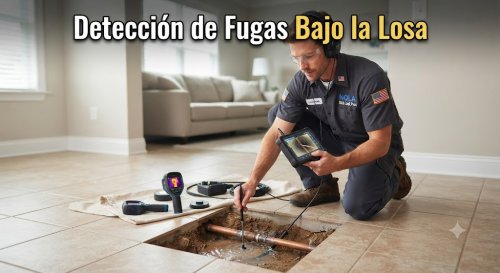
New Orleans is famous for its saturated soils and high water table. Unfortunately, ground movement caused by heavy rains, seasonal soil contraction, and the natural settling of historic foundations puts immense stress on underground and in-wall water supply lines. A slow leak in a supply pipe means water is escaping before it reaches your fixtures, leading to a noticeable drop in pressure. Homeowners should routinely check their water meter when no water is running inside the home; if the leak indicator dial is spinning, a hidden leak is likely sapping your water pressure.
5. Undersized Vintage Plumbing Configurations
Historic homes were originally built for a completely different era of water consumption. A 19th-century cottage or early 20th-century double was never designed to supply modern multi-head shower systems, high-efficiency dishwashers, washing machines, and simultaneous bathroom use. When multiple modern appliances draw water at the same time through narrow, legacy supply pipes, the existing infrastructure simply cannot maintain adequate volume and pressure.
Practical Steps for Homeowners
Before assuming the worst, systematic troubleshooting can help isolate the issue:
- Check individual faucet aerators for trapped debris and mineral scale.
- Verify that your main water shut-off valve is fully open.
- Test multiple fixtures in different rooms to determine if the low pressure is isolated or affecting the entire house.
- Inspect visible basement, crawlspace, or utility room piping for signs of moisture, active leaks, or heavy exterior corrosion.
Dealing with low water pressure in a historic New Orleans home requires patience and a respectful approach to preserving vintage construction while upgrading vital modern utilities. Addressing these underlying bottlenecks restores comfort, protects your fixtures, and ensures your historic home functions reliably for years to come.
Frequently Asked Questions
Why is my water pressure low only in the upstairs bathroom?
Gravity naturally reduces water pressure as water travels upward to higher floors. If your home has aging pipes with internal corrosion, the upward climb requires even more force, making upstairs fixtures the first to show symptoms of low pressure.
Can I clear corroded galvanized pipes with a drain cleaner or chemical flush?
No. Chemical drain cleaners and descaling agents are designed for drain lines, not pressurized water supply lines. Furthermore, harsh chemicals can eat through fragile, corroded metal pipes, resulting in catastrophic leaks or pipe bursts.
How do I know if the low pressure is coming from the city water main?
If your neighbors are experiencing identical pressure drops, or if there is known municipal construction or a water main break in your immediate neighborhood, the issue originates with the city utility supply rather than your private plumbing system.
Is low water pressure a sign of a major plumbing emergency?
Gradual pressure loss is usually a sign of long-term pipe aging or mineral buildup. However, a sudden, complete loss of water pressure often indicates a major pipe rupture, a completely failed PRV, or a closed main valve, which requires prompt professional evaluation.