Common Causes of Water Leaks in Historic New Orleans Homes
Discover the most frequent reasons water leaks occur in historic New Orleans homes, from shifting soils to aging galvanized pipes, and how to protect your property.

Understanding Water Leaks in New Orleans Historic Properties
Owning a historic home in neighborhoods like the French Quarter, Faubourg Marigny, or Uptown New Orleans offers unmatched architectural charm. However, these older properties come with unique plumbing challenges. Decades—or even a century—of structural settling, outdated materials, and the distinct local environment create conditions where hidden water leaks can develop unexpectedly. Identifying the root causes of these leaks is the first step toward preserving your home's structural integrity and preventing costly damage.
The Impact of New Orleans' Soil and Climate
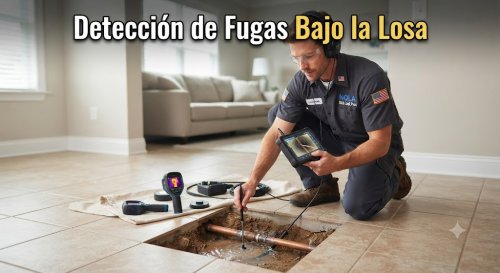
New Orleans is built on a high water table with clay-heavy, shifting soils. As the moisture levels in the ground fluctuate dramatically between our heavy summer downpours and prolonged dry spells, the earth expands and contracts. This constant movement places stress on the underground and under-slab plumbing infrastructure of older residences, frequently leading to shifted joints, cracked lines, and persistent leaks.
Frequent Culprits Behind Leaks in Older Plumbing Systems
Historic homes have undergone multiple rounds of remodeling over the generations, meaning their plumbing often consists of a patchwork of materials. Here are the most common sources of water leaks found in older New Orleans houses:
1. Aging Galvanized Steel and Cast Iron Pipes
Many classic homes in the area were originally plumbed with galvanized steel or cast iron piping. Over decades of exposure to mineral-rich water, galvanized pipes corrode from the inside out, narrowing the interior diameter and eventually forming pinhole leaks. Cast iron sewer and drain lines are similarly susceptible to internal rusting and cracking over long periods, leading to slow, hidden leaks beneath the floors or in the walls.
2. Shifting Foundations and Sub-Slab Movement
Because many older houses sit on raised brick piers or historic slab foundations that settle unevenly over time, supply lines running beneath or through the foundation can become strained. When a rigid pipe loses its supporting substrate or undergoes continuous bending stress due to structural settling, it eventually develops a rupture or joint separation.
3. Outdated Threaded Connections and Worn Gaskets
Historic plumbing relied heavily on threaded brass or iron fittings, hemp packing, and early sealing compounds. Over time, these materials dry out, crumble, or loosen. Minor vibrations from street traffic or everyday household use can cause these historic joints to weep water slowly, soaking into surrounding subflooring and framing timber before anyone notices.
Subtle Warning Signs of Hidden Leaks
Because water leaks in historic homes often occur inside lathe-and-plaster walls, beneath hardwood floors, or in crawlspaces, they can go undetected for weeks. Property owners should watch for these early indicators:
- Unexplained Spikes in Water Bills: A sudden increase in your municipal water usage without a change in habits is a classic sign of a hidden continuous leak.
- Musty Odors: New Orleans humidity combined with a slow leak creates the ideal environment for mold and mildew behind walls or under floorboards.
- Damaged Wall Finishes: Peeling paint, bubbling wallpaper, or soft, crumbling plaster often point to moisture trapped within the wall cavity.
- Warm Spots on Floors: If a hot water supply line develops a leak beneath a slab or wooden subfloor, a specific area of the floor may feel noticeably warm to the touch.
Preventative Maintenance for Historic Plumbing
Protecting a historic property requires a proactive approach to plumbing care. Schedule routine professional inspections to assess the condition of visible pipes, test your main water pressure to ensure it is not placing unnecessary stress on aging fixtures, and familiarize yourself with the location of your main water shutoff valve so you can act quickly in an emergency.