Plumber Cost Per Hour in New Orleans, LA
Wondering how much a plumber costs per hour in New Orleans? Learn about hourly rates, emergency fees, cost factors, and ways to save on repairs.
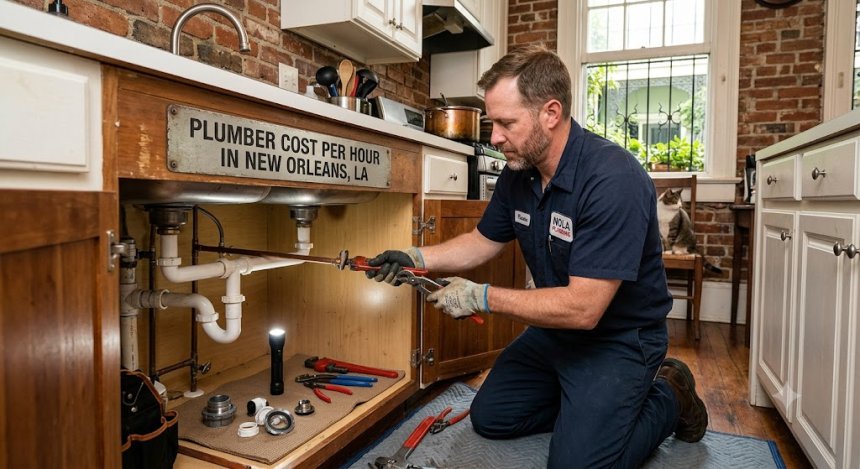
How Much Does a Plumber Cost Per Hour in New Orleans?
When a plumbing issue strikes—whether it is an unexpected burst pipe under a raised cottage in Mid-City, a backed-up line in a French Quarter restaurant, or a leaking hot water tank in Metairie—the first question most property owners ask is: "How much is this going to cost?"
Understanding how much a plumber costs per hour in New Orleans helps you plan your budget, avoid billing surprises, and recognize transparent pricing when you see it. Plumbing rates across Orleans Parish and surrounding areas reflect more than just labor time. They account for licensing, specialized equipment, local code compliance, and the unique infrastructure challenges of the Crescent City. This guide breaks down how hourly plumbing rates work, what factors drive project totals up or down, and how to get maximum value from every service visit.
What Is Plumber Cost Per Hour in New Orleans?
The hourly cost of a plumber represents the base rate charged by a licensed plumbing contractor for time spent diagnosing, repairing, or installing plumbing systems. In New Orleans, plumbers structure their pricing using two primary methods:
-
Hourly Rate Billing: You pay a fixed rate for each hour (or fraction of an hour) the technician spends on-site working on your system, often with a one-hour minimum call-out charge.
-
Flat-Rate / Upfront Pricing: A set project price is provided after an initial diagnosis, regardless of how many hours the technician takes to complete the job.
Common situations where hourly rates apply include complex leak tracing, custom renovations, multi-issue repairs, or troubleshooting vintage plumbing networks found in historic New Orleans homes.
Why Do Plumbing Costs Vary So Much?
Plumbing pricing is not one-size-fits-all. Several local and physical variables directly influence hourly and total job charges across the New Orleans metro region.
1. Aging Infrastructure & Historic Architecture
Houses built in classic styles—like Shotguns, Creole Cottages, and Victorian Victorians—often contain legacy materials like galvanized steel, lead, or cast iron pipes. Navigating tight crawl spaces or working around historic woodwork requires extra caution and time.
2. High Water Table and Soil Conditions
New Orleans' damp soil and high water table cause ground movement. This shifts underground pipes, leads to tree root intrusion, and complicates slab leak repairs or line replacements.
3. Emergency & After-Hours Demand
Plumbing emergencies rarely happen between 9 AM and 5 PM. Calls dispatched during nights, weekends, or major holidays command higher rates due to overtime labor overhead.
4. Master Plumber vs. Journeyman vs. Apprentice
Rates depend on technician experience. A licensed Master Plumber commands higher hourly rates than a Journeyman, reflecting decades of trade expertise, structural code knowledge, and master licensing.
Signs You Should Never Ignore
Delaying repairs to avoid hourly charges usually backfires, transforming minor drips into catastrophic structural damage. Watch for these red flags:
-
Water Stains on Ceilings or Drywall: Indicates hidden line leaks behind wall cavities.
-
Slow Drains in Multiple Fixtures: Points to a developing main sewer line blockage rather than a simple sink clog.
-
Low Water Pressure Throughout the House: Signals potential pipe corrosion, mineral buildup, or main supply leaks.
-
Unexplained High Water Bills: A sudden price spike on your Sewerage and Water Board of New Orleans (SWBNO) bill often points to a hidden leak.
-
Damp Walls or Mold Spores: High humidity combined with hidden moisture creates mold outbreaks within 24–48 hours.
-
Foul Sewage Smells: Sewer gas odors inside your home mean broken vent stacks, dry traps, or main line breaches.
-
Rumbling or Popping Noises from Water Heaters: Indicates heavy sediment buildup, leading to overheating and potential tank failure.
Common Plumbing Problems Related to Service Costs
-
Pipe Leaks & Corrosion: Pinholes in aging copper or galvanized lines require pipe cutting, fitting replacements, or localized repiping.
-
Drain Clogs & Sewer Backups: Debris, grease, and root invasion require motorized snaking or high-pressure jetting.
-
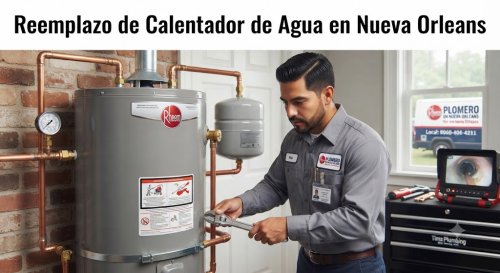
Water Heater Failures: Thermostat replacements, heating element installations, or full tank change-outs.
-
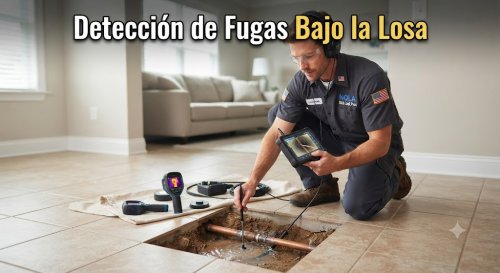
Slab Leaks: Water leaks beneath concrete foundations requiring electronic location equipment and jackhammering or bypass routing.
-
Fixture Upgrades: Installing new toilets, faucets, shower valves, or disposal units.
Step-by-Step Professional Service Process
When you call a reputable plumber in New Orleans, you should expect a professional, step-by-step service flow:
-
Step 1: Arrival & Inspection
The plumber arrives, reviews the reported issue, and visually inspects the affected fixtures or lines.
-
Step 2: Diagnosis & Testing
Using specialized testing methods, the plumber pinpoints the exact cause of the fault.
-
Step 3: Clear Estimate
The technician explains the issue, presents repair options, and provides an estimate (hourly or flat-rate) before work begins.
-
Step 4: Professional Repair
Using professional tools and code-compliant materials, the plumber performs the necessary repairs or installations.
-
Step 5: System Testing
Lines are pressure-tested, fixtures are cycled, and joints are checked for leak-tight seals.
-
Step 6: Cleanup
The work area is swept and restored to clean condition.
-
Step 7: Maintenance Recommendations
The technician gives you practical advice on how to prevent similar plumbing failures in the future.
Can You Fix It Yourself?
Safe DIY Tasks
Homeowners can handle basic tasks safely without paying hourly plumber rates:
-
Replacing rubber sink strainers or faucet aerators.
-
Clearing minor single-fixture clogs using a hand plunger.
-
Adjusting toilet tank flappers or fill valve floats.
-
Wrapping exposed cold water pipes with foam insulation prior to winter freezes.
When DIY Becomes Dangerous
Attempting major repairs without proper licenses or tools can lead to disastrous water damage or personal injury. Never attempt DIY work on gas lines, main sewer stacks, hidden supply lines behind walls, or electrical water heater components. A single mistake can flood your property and end up costing five times more in emergency restoration fees.
Tools Professionals Use
Modern plumbers use specialized equipment that speeds up repairs and reduces overall billable hours:
-
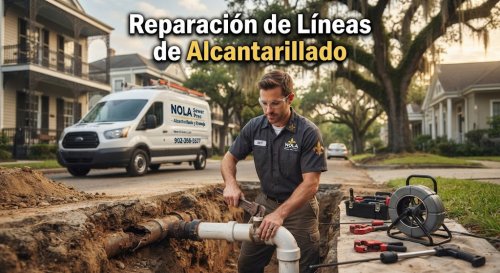
Sewer Pipe Cameras: High-definition waterproof cameras pushed through drain lines to pinpoint clogs, cracked pipes, or root invasions.
-
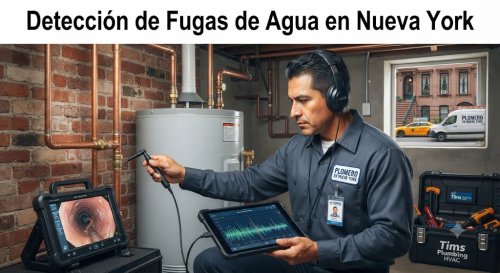
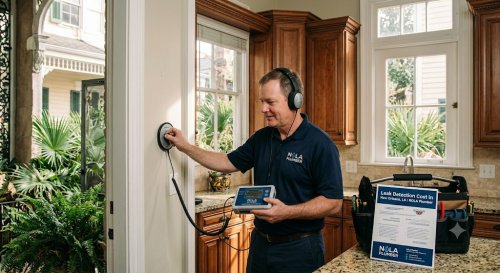
Acoustic Leak Detectors & Thermal Imagers: Non-invasive tools that identify water leaks beneath concrete slabs or inside finished walls.
-
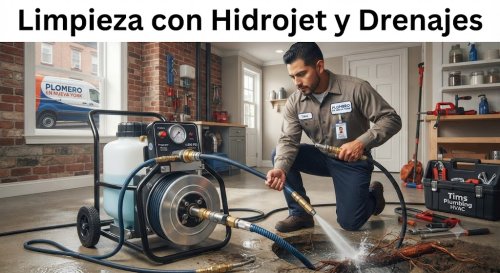
Hydro-Jetting Rig: High-pressure water equipment that strips grease, scale, and roots from sewer lines.
-
Digital Pressure Gauges: Accurately measure water supply pressure to diagnose failing pressure-reducing valves.
How Long Does the Repair Usually Take?
-
Simple Repairs (1–2 Hours): Replacing a faucet, unclogging a standard drain, fixing an overflowing toilet valve, or swapping a garbage disposal.
-
Moderate Repairs (2–4 Hours): Replacing a water heater, fixing broken section lines, or unclogging a main sewer stack.
-
Major Repairs (4–8+ Hours): Full home repiping, slab leak bypasses, or open-trench main line replacements.
-
Emergency Repairs: Timeframe varies depending on access, time of day, and immediate water containment needs.
Cost Factors
Understanding what goes into your final invoice prevents confusion. Plumbers evaluate several variable components:
-
Diagnostic & Dispatch Fees: Covers fuel, vehicle maintenance, and the technician's time to evaluate the issue on-site.
-
Parts & Materials: The cost of copper, PEX, brass valves, PVC, or replacement fixtures.
-
Labor Complexity: Working under tight crawl spaces, high ladders, or inside concrete slabs increases labor hours.
-
Emergency Charges: After-hours, weekend, and holiday responses carry premium labor multipliers.
-
Equipment Surcharges: Operating specialized machinery like hydro-jetters or heavy drain augers may carry separate tool usage fees.
-
Permitting & Code Requirements: Major repairs requiring municipal inspections or parish permits incur local city fees.
Plumbing repair costs vary depending on the severity of the problem, accessibility, materials required, emergency service, property type, and local labor rates.
Hidden Truths Homeowners Should Know
-
Small Drips Escalates Expenses: A slow, 10-drips-per-minute leak wastes over 300 gallons of water a month and steadily damages subfloors.
-
Cheap Band-Aids Fail Quickly: Applying epoxy putty or rubber wraps to pressurized lines only delays major blowouts.
-
Homeowners Insurance Excludes Neglect: Adjusters reject claims if water damage resulted from unaddressed, long-term corrosion or delayed maintenance.
-
Root Intrusion Is Ongoing: Chemical root killers provide short relief; mechanical clearing or pipe lining is required to permanently stop root damage.
-
Hard Water Destroys Fixtures: Mineral scale corrodes internal cartridge seals, drastically shortening fixture lifespans.
-
DIY Mistakes Multiply Costs: Over-tightened fittings strip threads, burst plastic housings, and double your repair bills.
-
Hidden Moisture Triggers Mold Fast: Damp areas inside New Orleans homes grow mold colonies in under 48 hours during humid summer months.
15 Common Mistakes Homeowners Make
-
Ignoring Minor Drips: Letting small fixture leaks run indefinitely.
-
Pouring Chemical Drain Cleaners Down Drains: Corrosive chemicals damage metal pipes and fail on dense clogs.
-
Flushing Flushable Wipes: Wipes do not dissolve; they clump into main line sewer blockages.
-
Dumping Cooking Grease Down Sinks: Warm grease cools inside pipes, creating thick grease traps.
-
Ignoring Water Pressure Spikes: Allowing household pressure to sit above 80 PSI damages valves and supply lines.
-
Hiring Unlicensed Labor: Accepting cheap work from uninsured handymen who lack local plumbing credentials.
-
Skipping Routine Maintenance: Forgetting to flush water heaters or inspect washing machine hoses.
-
Waiting Until Small Issues Become Emergencies: Delaying minor service calls until a full pipe blowout happens at midnight.
-
Using Incompatible Pipe Materials: Joining copper directly to galvanized steel without dielectric unions triggers rapid corrosion.
-
Over-Tightening Plumbing Connections: Cracking plastic nuts or stripping brass valve threads by applying too much force.
-
Leaving Hose Lines Connected During Cold Snaps: Causes trapped water to freeze, expand, and split external spigots.
-
Using Toilet Tank Drop-in Bleach Tablets: Chemical tablets corrode internal rubber flappers and flush valves over time.
-
Covering Up Floor Drains: Blocking utility drains prevents emergency water evacuation during appliance overflows.
-
Guessing Pipe Sizes: Purchasing wrong-sized fittings and forcing them onto existing supply lines.
-
Failing to Locate the Main Water Shut-Off: Not knowing where your main shut-off valve is located when a pipe bursts.
Practical Maintenance Tips
-
Locate Your Main Water Valve: Ensure every adult in your home knows how to shut off the main water valve in an emergency.
-
Test Isolation Valves Annually: Turn toilet and sink shut-off valves twice a year to prevent valve stem freezing.
-
Flush Hot Water Tanks: Drain sediment from your water heater once a year to preserve heating efficiency.
-
Clear Sink Pop-Up Stoppers: Clean hair and soap scum off bathroom pop-up stoppers monthly.
-
Install Strainer Baskets: Use mesh drain catchers in showers and kitchen sinks to trap debris.
-
Inspect Appliance Hoses: Replace rubber washing machine supply hoses with braided stainless steel lines every 5 years.
-
Keep Cooking Oils in Containers: Cool grease in glass jars or tin cans and discard them in trash bins.
-
Monitor Water Pressure: Keep an inexpensive pressure gauge on an outside spigot to ensure house pressure stays between 40 and 70 PSI.
-
Check Water Meters for Hidden Leaks: Turn off all household fixtures; if the water meter flow indicator keeps spinning, you have an active leak.
-
Insulate Outdoor Lines for Winter: Cover exposed spigots and wall lines before winter cold fronts hit New Orleans.
-
Run Cold Water with Garbage Disposals: Always run a steady stream of cold water before, during, and after running food waste disposals.
-
Maintain Floor Drains: Pour a bucket of water down basement or utility room floor drains quarterly to keep sewer gas traps wet.
-
Trim Trees Away from Sewer Lines: Keep large root systems away from underground clay or cast iron drain paths.
-
Check Toilet Tanks for Leaks: Put a few drops of food coloring in your toilet tank; if color seeps into the bowl without flushing, replace the flapper.
-
Schedule Annual Professional Checkups: Have a licensed plumber inspect exposed lines, water heaters, and drain flow once a year.
When Should You Call an Emergency Plumber?
Don't wait for business hours if you encounter any of these serious situations:
-
Burst Water Pipes: Uncontrolled water gushing inside walls, ceilings, or living areas.
-
Raw Sewage Backing Up: Wastewater bubbling out of shower drains, floor drains, or toilets.
-
Complete Water Loss: Having no running water throughout your home or business.
-
Smell of Natural Gas: A rotten egg odor near gas water heaters or gas supply lines (evacuate immediately and contact your gas utility first).
-
Major Active Flooding: Water threatening electrical outlets, subfloors, or structural foundation beams.
Frequently Asked Questions
Why is my water pressure suddenly low?
Sudden pressure drops point to major supply line leaks, municipal supply issues, or stuck pressure-reducing valves.
How much does leak detection cost?
Leak detection rates vary based on whether acoustic, thermal, or camera inspection gear is required to locate hidden leaks.
Can a clogged drain damage pipes?
Yes. Clogs trap standing water and increase internal line pressure, accelerating corrosion and leading to joint leaks.
Is hydro jetting safe for old pipes?
Hydro jetting is highly effective, but older clay or heavily corroded cast iron lines must be camera-inspected first to ensure structural integrity.
How do I know if my sewer line is broken?
Frequent multiple-fixture backups, foul drain odors, soggy lawn spots, or indentations in your yard indicate sewer pipe damage.
How long do water heaters last?
Traditional tank water heaters last 8–12 years; tankless water heaters last 15–20 years with routine maintenance.
Why does my faucet drip continuously?
Continuous dripping usually stems from worn-out rubber O-rings, damaged internal cartridges, or mineral scale build-up inside the valve assembly.
What causes pipes to burst?
Water pressure spikes, freezing temperatures, severe internal corrosion, or ground movement cause pipe walls to fracture.
Can plumbing leaks increase my water bill?
Yes. A silent toilet leak or dripping line can waste hundreds of gallons a month, adding significant charges to your water bill.
When should I replace plumbing instead of repairing it?
If your pipes suffer from frequent leaks, rusty discolored water, low pressure, or are made of outdated materials like galvanized steel, whole-house repiping is usually the best investment.
People Also Ask & Voice Search Queries
-
"How much does a plumber charge per hour near me in New Orleans?"
Hourly plumber rates in New Orleans depend on job complexity, licensing, and whether service is booked during standard business hours or as an emergency response.
-
"Why do plumbers charge a service fee just to come out?"
Service call fees cover technician travel time, vehicle fuel, insurance, and the professional expertise required to diagnose your plumbing issue accurately.
Why Choose Plumber in New Orleans?
When plumbing issues threaten your property, you need a local team that delivers honest advice, prompt responses, and dependable workmanship. Plumber in New Orleans provides expert residential and commercial services across the entire metropolitan area.
-
Licensed & Experienced Technicians: Fully qualified plumbers trained in local parish building codes and historical home plumbing systems.
-
Upfront Pricing: Clear, detailed estimates provided before work begins—no surprise charges.
-
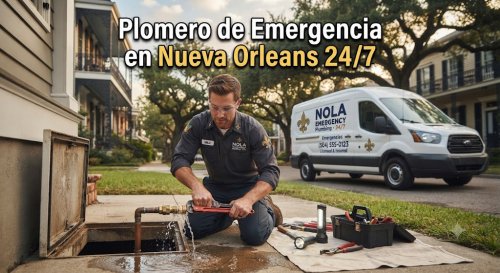
Fast Emergency Response: Available 24/7 when severe pipe bursts, sewage backups, or leaks threaten your building.
-
Comprehensive Coverage Area: Proudly serving Orleans Parish, Jefferson Parish, and surrounding neighborhoods including Mid-City, Uptown, French Quarter, Lakeview, Algiers, Metairie, Kenner, Gretna, and Chalmette.
-
Quality Guaranteed: We use modern equipment, durable materials, and safe repair practices to ensure lasting peace of mind.
Don't let a plumbing problem disrupt your home or business. Visit