Why Older New Orleans Homes Lose Water Pressure & How to Fix It
Discover why older homes in New Orleans experience low water pressure, from historic galvanized pipe corrosion to municipal issues, and learn how local plumbers resolve it.

Navigating Low Water Pressure in Historic New Orleans Properties
Stepping into a classic New Orleans home—whether it is a historic raised center-hall cottage in Uptown, a historic Creole townhouse in the French Quarter, or a mid-century residence in Gentilly—comes with a distinct architectural charm. However, these older properties often present unique plumbing hurdles. One of the most frequent frustrations homeowners face is a sudden or progressive drop in water pressure.
When you turn on the shower or kitchen sink and get a weak trickle instead of a steady stream, it can disrupt your daily routine. In a city with aging municipal infrastructure and diverse architectural eras, diagnosing low water pressure requires a careful look at both your property's internal plumbing network and the local utility lines.
1. Galvanized Steel Pipe Corrosion and Buildup
If your New Orleans home was built before the mid-to-late 20th century, there is a strong possibility that portions of your original plumbing system feature galvanized steel pipes. Over decades of service, these metal pipes react with mineral content and oxygen, leading to internal rust and sediment accumulation.
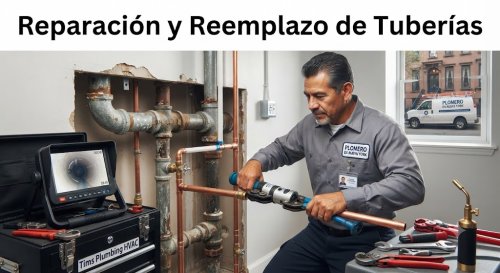
Think of it like cholesterol buildup in an artery: the inner diameter of the pipe slowly narrows, choking off the volume of water that can pass through. When multiple fixtures are opened at the same time, the restricted flow becomes immediately noticeable. Unfortunately, chemical drain cleaners or DIY pressure boosters cannot clear internal pipe corrosion; the definitive remedy for severely compromised galvanized lines is whole-house pipe replacement with modern PEX or copper piping.
2. Mineral Scaling and Fixture Aerator Blockages
New Orleans water has its own unique characteristics, and mineral deposits can build up over time. Hard water minerals and sediment traveling through your service lines can easily become trapped inside faucet aerators and showerheads.
Before assuming you have a major structural plumbing failure, check your individual fixtures:
- Unscrew the aerator screen at the tip of your bathroom or kitchen faucet.
- Inspect the screen for white, chalky mineral deposits or trapped debris.
- Soak the aerator in a mild vinegar solution for a few hours to dissolve scaling, then rinse and reattach.
- If water pressure improves at that specific fixture, your supply lines are likely fine, and regular maintenance will keep the flow steady.
3. Hidden Water Leaks Behind Walls or Under Slabs
A sudden drop in water pressure throughout the entire house often points to an active water leak. When a supply line cracks or bursts underground—or behind finished plaster and brick walls—water escapes before it reaches your taps, reducing overall pressure.
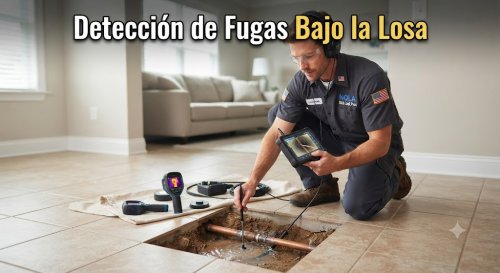
In New Orleans, shifting soils, high water tables, and aging foundation types can place stress on underground supply lines. If you notice damp spots on your flooring, unexplained spikes in your water bill, or the sound of running water when all fixtures are turned off, professional leak detection is essential to locate the compromised pipe before structural damage occurs.
4. Municipal Supply Issues and Pressure Regulators
Sometimes, the root cause of low water pressure originates outside your property line. The Sewerage and Water Board of New Orleans (SWBNO) manages municipal water distribution, and maintenance work, main breaks, or high demand during peak hours can temporarily lower city water pressure in your neighborhood.
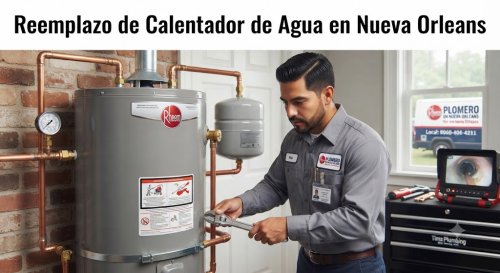
Additionally, many residential properties feature a Pressure Reducing Valve (PRV) installed where the main water line enters the home. When a PRV fails or becomes misadjusted, it can severely restrict water flow into your domestic plumbing system. A licensed plumber can test your incoming water pressure with a gauge to determine whether the issue stems from the municipal supply, your PRV, or your interior piping.
Frequently Asked Questions
Why is my low water pressure worse on the second floor?
Water must fight gravity to travel upward. If your main supply pressure is already weak due to pipe corrosion, mineral buildup, or a failing PRV, upper-floor bathrooms and showers will experience the most severe pressure drops.
Can old shut-off valves restrict water pressure?
Yes. Older gate valves used under sinks or near the main water meter can degrade internally over time. If a gate valve does not open completely, the internal gate can slip and partially block the waterway, restricting flow to that fixture or the entire house.
How do I know if I need a repipe?
If your home still has original galvanized steel pipes, experiences frequent leaks, discolored brown water upon turning on taps after a period of non-use, and chronically low pressure across multiple rooms, a whole-house repipe is typically the most permanent solution.