Why Does My New Orleans Historic Home Have Low Water Pressure?
Discover common causes of low water pressure in historic New Orleans homes, from galvanized pipe corrosion to municipal supply issues, and what you can do.


Living in a historic New Orleans home—whether it is a classic Creole cottage in the Faubourg Marigny or a grand raised center-hall home in Uptown—comes with undeniable architectural charm. However, owning property built a century or more ago also brings unique plumbing challenges. One of the most frequent frustrations homeowners face is dealing with frustratingly weak water flow at the showerhead, kitchen sink, or garden hose. Understanding why this happens is the first step toward restoring proper functionality to your historic property's plumbing system.
The Legacy of Galvanized Steel Pipes
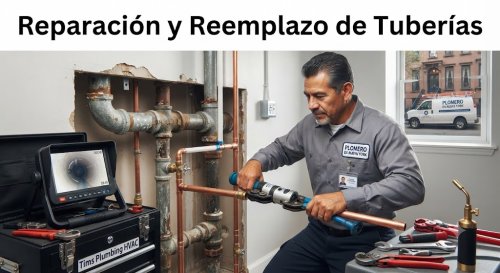
Many older residences throughout the city still retain portions of their original plumbing infrastructure, which often includes galvanized steel supply lines. While durable for their era, galvanized pipes have a predictable lifespan of about 40 to 50 years. Over decades of exposure to mineral-rich water, the zinc coating on the inside of these pipes erodes, leading to rust accumulation and severe internal scaling.
This internal buildup drastically narrows the interior diameter of the pipe, choking off the volume of water that can pass through. When multiple fixtures are opened simultaneously—such as running the washing machine while someone takes a shower—the restricted flow becomes glaringly obvious. Pipe replacement or partial repiping is often the only permanent remedy for this structural restriction.
Mineral Buildup and Sediment in Faucet Aerators
New Orleans water is treated and managed diligently, but older municipal lines and residential fixtures are still susceptible to mineral and sediment accumulation. Over time, calcium carbonate, sand, and fine rust particles travel through the lines and become trapped inside faucet aerators and showerhead nozzles.
This localized blockage is one of the easiest issues to troubleshoot. If only one or two sinks in the house suffer from poor flow, unscrewing the aerator tip and inspecting it for debris usually reveals a collection of gritty buildup. Cleaning or soaking these small screens in a vinegar solution frequently restores full water velocity instantly.
Aging Pressure Regulators and Shut-Off Valves
Many residential properties utilize a pressure reducing valve (PRV) where the municipal supply line enters the home. This device protects your indoor fixtures from high municipal pressure surges. However, when a PRV fails—often due to internal spring fatigue or sediment jamming—it can stick in a closed position, severely throttling water pressure throughout the entire house.
Additionally, old gate valves used as main water shut-off mechanisms in historic basements or crawlspaces can slip out of alignment or fail to open fully. If a valve is only partially open, it creates a choke point that impacts every bathroom and kitchen fixture downstream.
Sub-Slab Leaks and Undetected Pipe Damage
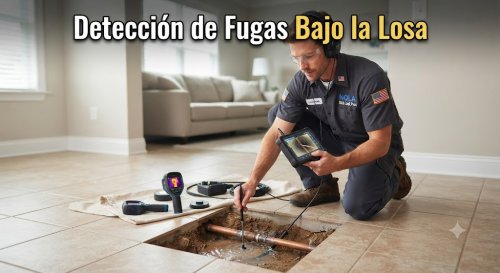
New Orleans features unique, highly saturated clay soil conditions that shift with seasonal moisture changes. This ground movement exerts physical stress on underground and sub-slab water lines. If a supply pipe cracks or develops a slow joint leak beneath the foundation or flooring, water escapes into the ground rather than reaching your taps.
An unexpected drop in overall household pressure, accompanied by unexplained damp spots or a continuously running water meter when all fixtures are turned off, often points to a hidden leak requiring professional leak detection services.
Municipal Supply and Neighborhood Infrastructure
Sometimes, the root cause of weak flow originates outside your property line. The Sewerage and Water Board of New Orleans manages a vast, aging municipal distribution network. Major main line repairs, scheduled maintenance, or localized pipe breaks in your neighborhood can temporarily reduce pressure to surrounding blocks.
If your neighbors are experiencing identical symptoms on the same day, checking local utility updates or contacting municipal services can help determine if the issue is city-wide or isolated to your home.
Restoring Flow to Your Historic Property
Diagnosing low water pressure in a vintage New Orleans house requires patience and a methodical approach. Separating localized fixture clogs from systemic pipe corrosion helps determine whether a simple cleaning will suffice or if comprehensive pipe repair is necessary. Consulting with an experienced local plumbing professional ensures that historic character is preserved while modern water flow and efficiency are safely restored.