Common Causes of Water Leaks in Historic New Orleans Homes
Discover the leading causes of water leaks in historic New Orleans properties, from aging cast iron pipes to shifting soils, and learn how to protect your home.


Understanding Water Leaks in New Orleans Historic Properties
Owning a historic home in New Orleans comes with unmatched architectural character, from soaring ceilings and intricate plaster moldings to hardwood floors that have weathered a century or more. However, historic properties throughout neighborhoods like the French Quarter, Faubourg Marigny, and Garden District also present unique plumbing challenges. Aging infrastructure, subtropical climate conditions, and shifting soils create a high risk for hidden water leaks that can compromise structural integrity if left unaddressed.
As a professional plumber working across the area for decades, I have seen firsthand how historic plumbing systems react to local environmental pressures. Recognizing why these leaks occur is the first step toward protecting a heritage home from long-term water damage.
1. Aging and Deteriorating Pipe Materials
Many historic homes in New Orleans still retain older piping materials that have long exceeded their expected lifespans. Depending on when a property was built or last renovated, you might find:
- Galvanized Steel: Widely used in mid-20th-century renovations, these pipes corrode from the inside out over decades. Mineral buildup narrows the interior diameter until pinhole leaks emerge along the seams.
- Cast Iron: Common in older drain and sewer stacks. Over decades of exposure to moisture and soil acids, cast iron thinned out, leading to cracks, joint failures, and subterranean leaks.
- Early Copper: While durable, older copper lines can become brittle or fall victim to external chemical reactions, particularly in damp crawlspaces.
When these older materials begin to fail, professional leak detection in New Orleans becomes essential to locate subsurface or behind-the-wall damage without tearing apart historic finishes.
2. Shifting Delta Soils and Foundation Stress
New Orleans sits on a high-water table with a unique delta soil composition consisting of clay, silt, and organic sediment. These soils expand when saturated by heavy seasonal rainfall and shrink dramatically during dry summer droughts. This constant ground movement exerts immense pressure on underground water supply lines and main sewer connections.
When the soil shifts beneath a raised historic home or a slab foundation, rigid older pipes cannot flex. This stress frequently results in snapped service lines, separated joints, and severe underground water leaks that can go unnoticed until utility bills spike or foundation issues worsen.
3. High Humidity and Condensation Vulnerability
The local climate is notoriously humid for much of the year. In historic homes, which often feature unconditioned crawlspaces, tight wall cavities, and older ventilation setups, ambient moisture wreaks havoc on exposed plumbing.
Cold water supply lines running through hot, humid crawlspaces or wall voids routinely accumulate heavy condensation. Over time, this constant exterior moisture accelerates corrosion on metal fittings, threaded joints, and valve bodies, eventually causing slow, persistent leaks that rot subflooring and invite mold growth.
4. Outdated Fixtures and Compromised Seals
Historic properties often feature vintage or antique plumbing fixtures—such as clawfoot tubs, pedestal sinks, and wall-mounted faucets—that add immense aesthetic value. However, the internal mechanisms, leather washers, packing nuts, and rubber gaskets in these fixtures degrade over decades.
Furthermore, older supply line connections beneath sinks and behind toilets are often made of rigid tubing that becomes brittle with age. A minor pressure fluctuation from the municipal supply can cause these aging seals to rupture, resulting in sudden indoor flooding.
Identifying Signs of Leaks in a Historic Home
Because historic homes often feature lathe-and-plaster walls, heart-pine flooring, and pier-and-beam foundations, water leaks do not always present as an obvious puddle. Look for these warning signs:
- Unexplained increases in your municipal water bill
- The sound of running water when all fixtures are turned off
- Musty, damp odors lingering in specific rooms or closets
- Buckling, cupping, or discolored wood flooring
- Flaking paint or crumbling plaster on walls and ceilings
- Warm spots on floors (indicating a hot water line leak beneath the surface)
Protecting Your Property with Targeted Repairs
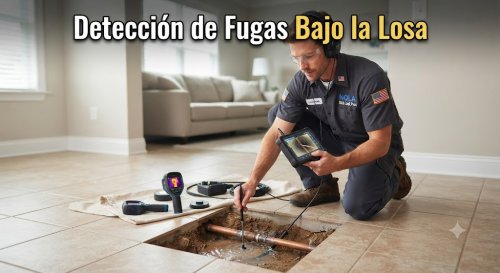
Addressing water leaks in a historic New Orleans home requires a delicate balance of modern plumbing technology and respect for historic preservation. Advanced electronic acoustic listening equipment, thermal imaging, and pressure testing allow experienced technicians to pinpoint leaks with pinpoint accuracy, minimizing invasive cutting into historic woodwork or plaster.
If your older property is showing signs of plumbing distress, consulting with a local specialist who understands the nuances of regional building styles and soil conditions is vital. Proactive water leak repair and strategic repiping ensure that your historic home remains structurally sound and dry for generations to come.