Why Does My New Orleans Historic Home Have Low Water Pressure?
Discover common causes of low water pressure in New Orleans historic homes, from aging galvanized pipes to sediment buildup, and learn when to call a professional.


Living in a historic New Orleans home—whether it is a classic Creole cottage in the Marigny, a raised center-hall house in Uptown, or a historic shotgun in Mid-City—comes with incredible architectural charm. However, original architecture often brings aging infrastructure. One of the most frequent frustrations homeowners face in these older properties is a sudden or progressive drop in water shower flow and faucet output. Understanding what causes low water pressure in historic New Orleans properties can help you determine whether it is a simple fix or a sign that your plumbing system needs a serious update.
The Legacy of Galvanized Steel Pipes
Many older homes in New Orleans were originally built or renovated using galvanized steel water supply lines. Over decades of service, the zinc coating on the inside of these steel pipes erodes. Once that protective layer is gone, the exposed steel begins to rust and corrode. Mineral deposits from the municipal water supply also latch onto the rough interior surfaces.
Over time, this combination of heavy rust scale and mineral buildup severely chokes the interior diameter of the pipe. Water can no longer flow freely through the narrowing channel, resulting in weak pressure at your kitchen sink, bathroom faucets, and showers. If your home still has its original mid-20th-century piping, widespread low water pressure is often a symptom of advanced internal pipe restriction.
Mineral Buildup and Hard Water Effects
Water systems deal with mineral content that can accumulate throughout household plumbing fixtures. While not classified as having exceptionally heavy hard water compared to other regions, New Orleans water still carries minerals that precipitate when heated or left stagnant in older lines.
Aerators on faucets and showerheads are the first line of defense, catching floating sediment and mineral flakes. In historic homes with older shut-off valves and supply lines, loose debris easily travels up to these terminal fixtures. When aerators become entirely clogged with calcium and rust flakes, water output slows to a trickle, making it look like a whole-home pressure failure when it is actually localized at the fixture.
Corrosion and Valve Restrictions
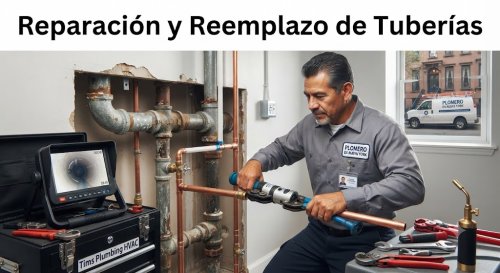
Historic properties often feature a patchwork of plumbing updates made over several decades. You might find copper or modern PEX lines spliced into older galvanized runs, or original gate valves that have partially seized up from lack of use.
Older main water shut-off valves or pressure-reducing valves (PRVs) can fail internally. If a gate valve inside an older crawlspace or wall cavity fails to open completely, it creates a permanent bottleneck for the entire house. Similarly, if a historic property has a PRV installed to manage high municipal supply pressure, a failing spring inside the valve can cause water pressure to drop significantly throughout the building.
Undetected Leaks in Aging Infrastructure
Older pipes are inherently more susceptible to pinhole leaks, joint failures, and structural shifts. New Orleans' unique soil conditions, characterized by shifting clay and high moisture levels, put continuous stress on underground and under-slab water lines.
When a supply pipe develops a slow leak beneath the foundation or behind historic plaster walls, the volume of water escaping reduces the overall pressure available at your fixtures. If you notice a sudden drop in pressure accompanied by unexplained damp spots or the sound of running water when all fixtures are turned off, a hidden leak is a prime suspect.
Troubleshooting and Next Steps
Before assuming your entire plumbing system needs to be replaced, you can perform a few basic observations:
- Check multiple fixtures: Turn on both hot and cold water in different rooms. If only one faucet has low pressure, unscrew the aerator and clean out any trapped debris.
- Examine exterior valves: Ensure your main water meter valve and the home's main shut-off valve are opened completely.
- Consult neighbors: Ask if nearby properties are experiencing similar issues, which can indicate temporary municipal work or water main fluctuations in your neighborhood.
If cleaning aerators does not solve the problem and your historic home still features vintage metal piping, a professional inspection can determine the true condition of your supply lines. Modern repiping options or targeted pipe repairs can safely restore steady, reliable water pressure while preserving the integrity of your classic New Orleans property.