Common Causes of Low Water Pressure in Older New Orleans Homes
Discover why older homes in New Orleans experience low water pressure, from mineral buildup and galvanized pipes to municipal supply issues.
Living in a historic New Orleans home—whether it's a raised center-hall cottage in Uptown or a classic shotgun in the Marigny—comes with unique architectural charm. However, historic properties often come with aging plumbing infrastructure that can lead to frustrating daily issues, most notably low water pressure. When your morning shower feels more like a gentle drizzle or your washing machine takes an eternity to fill, it is usually a sign that your home's plumbing system is struggling.
As a professional plumber working across the Crescent City, I frequently help homeowners diagnose why their water flow has dropped to a trickle. Understanding the root causes of low water pressure in older New Orleans houses can help you determine when it is time to call a local plumbing repair specialist.
1. Galvanized Steel Pipe Corrosion and Mineral Buildup
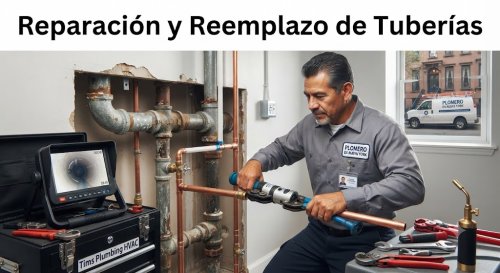
One of the most frequent culprits behind low water pressure in older New Orleans homes is the presence of legacy galvanized steel supply pipes. For decades, builders widely used galvanized steel for residential water lines. Over time, these pipes react with moisture and minerals in the water, causing internal corrosion and rust to accumulate.
As the interior diameter of the pipe shrinks due to this mineral and rust buildup, the volume of water that can flow through to your faucets and showers decreases dramatically. This restriction often starts slowly and worsens over several years until a complete repiping project or targeted pipe repair becomes necessary.
2. Hard Water Scale Accumulation in Fixtures
New Orleans receives its water supply from the Mississippi River, and while municipal treatment facilities work hard to ensure safety, mineral content can still affect your home's plumbing fixtures. Over years of use, calcium and magnesium deposits build up inside faucet aerators, showerheads, and shut-off valves.
This is often a localized issue rather than a whole-house problem. If only one bathroom sink or the kitchen faucet has weak flow while the rest of the house functions normally, unscrewing the aerator tip to clean out accumulated mineral scale will frequently restore full pressure instantly.
3. Aging Pressure Reducing Valves (PRVs)
Many residential properties in the New Orleans area utilize a Pressure Reducing Valve (PRV) where the main municipal water line enters the home. This device regulates and stabilizes the high pressure coming from the city main to prevent damage to your household plumbing.
When a PRV fails—which typically happens as it ages—it can become stuck in a restricted position, severely choking the water supply to the entire house. If your whole home experiences a sudden or gradual drop in water pressure simultaneously, inspecting and replacing the PRV is a standard diagnostic step.
4. Municipal Supply Fluctuations and Infrastructure Age
New Orleans has a vast, aging municipal water infrastructure managed by the Sewerage & Water Board of New Orleans (SWBNO). Main line breaks, scheduled maintenance, or localized hydrant flushing can temporarily reduce water pressure in certain neighborhoods. If your low water pressure coincides with neighborhood-wide street work or water advisories, checking local municipal updates can help clarify whether the issue originates on city property or within your private plumbing system.
5. Hidden Leaks in Aging Supply Lines
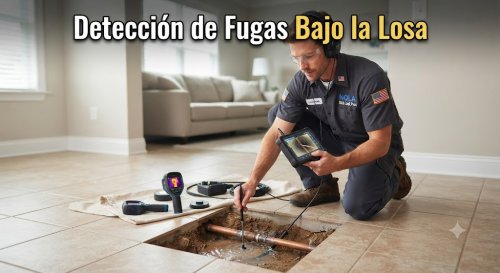
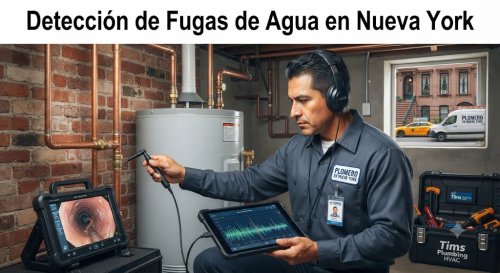
Older homes often feature complex plumbing routes running beneath raised foundations or through concrete slabs. If a pipe develops a slow pinhole leak due to corrosion or shifting soils, the escaping water diverts volume away from your fixtures. A hidden supply leak not only reduces your water pressure but can also cause structural damage if left unaddressed. Monitoring your water meter when all fixtures are turned off is a reliable way to check for unseen leaks.
Troubleshooting Low Water Pressure at Home
Before scheduling professional plumbing services, you can perform a few basic checks to narrow down the issue:
- Check whether the pressure drop affects a single fixture or every faucet and shower in the house.
- Inspect the main water shut-off valve near your meter or foundation to ensure it is fully open.
- Remove and clean faucet aerators and showerheads to clear out trapped sediment.
- Ask your neighbors if they are experiencing similar pressure issues to determine if the cause is municipal.
When to Call a Professional Plumber
While cleaning an aerator is a straightforward DIY task, diagnosing failing PRVs, internal pipe corrosion, or hidden leaks requires specialized diagnostic tools and professional expertise. If your historic New Orleans home suffers from persistent low water pressure that routine cleaning cannot fix, consulting an experienced residential plumber ensures the underlying problem is resolved safely and effectively.
Frequently Asked Questions
Why is my water pressure suddenly low in only one bathroom?
When low pressure affects only one specific location, it is typically caused by a clogged faucet aerator, a partially closed supply valve under the sink, or mineral buildup inside that particular showerhead.
Can high summer water usage in New Orleans affect my home pressure?
Municipal water demand fluctuates throughout the year, but dramatic pressure drops within a single property usually point to internal plumbing restrictions, such as corroded galvanized pipes or a failing pressure-reducing valve.
How do I know if my historic home needs repiping?
If your home still has original galvanized steel pipes, experiences recurring leaks, and suffers from widespread low water pressure despite clean fixtures, a professional inspection can determine if whole-house repiping is necessary.