Common Causes of Low Water Pressure in Older New Orleans Homes
Discover why older New Orleans homes experience low water pressure, from mineral scale buildup to aging galvanized pipes, and learn what solutions exist.
Understanding Low Water Pressure in Historic New Orleans Properties
New Orleans is famous for its incredible architecture, historic neighborhoods, and vibrant culture. From the raised center-hall cottages in Uptown to the historic Creole townhomes in the French Quarter and mid-century builds in Lakeview, local properties carry a unique charm. However, living in a historic home often comes with historic plumbing challenges. One of the most frequent complaints homeowners bring to a plumber in New Orleans is a frustrating drop in water flow throughout the house.
When turning on a shower feels more like standing under a gentle rain or filling a kitchen sink takes twice as long as it used to, it points to underlying issues within the plumbing system. Because New Orleans sits below sea level with a high water table and unique soil composition, local homes face specific environmental pressures that impact plumbing longevity. Identifying why water pressure drops is the first step toward restoring a reliable stream.
1. Internal Corrosion and Galvanized Steel Pipes
Many older residences built before the mid-20th century were originally plumbed using galvanized steel pipes. Over decades of service, these metal pipes undergo a slow chemical breakdown. Minerals present in water react with the zinc coating and the steel beneath, causing iron oxide—commonly known as rust—to accumulate along the interior walls of the pipe.
As this rust layer thickens over the years, the interior diameter of the pipe narrows significantly. Even if water enters the home at a strong municipal pressure, the restricted pathways choke the flow rate down to a trickle by the time it reaches upstairs bathrooms or kitchen faucets. Homes in neighborhoods like the Garden District or Faubourg St. John that still feature original galvanized supply lines are particularly susceptible to this issue.
2. Mineral and Sediment Buildup in Fixtures
Water quality varies by region, and municipal water supplies can carry dissolved minerals such as calcium and magnesium. Over time, these minerals precipitate out of the water, especially when heated, leaving behind hard crusty deposits known as scale.
In New Orleans homes, aerators on kitchen and bathroom faucets frequently catch mineral debris. When sediment builds up inside a showerhead or faucet aerator screen, it physically blocks water from exiting smoothly. Fortunately, this is often the easiest cause of low pressure to diagnose and fix. Unscrewing the aerator tip and soaking it in a cleaning solution will often immediately restore normal output to an isolated fixture.
3. Aging Water Pressure Regulators (PRVs)
Many modern and retrofitted homes feature a pressure reducing valve (PRV) installed near the main water shut-off valve where the municipal supply line enters the property. The job of the PRV is to step down high incoming pressure from city mains to a safe, manageable level for household fixtures—typically between 50 and 70 psi.
Over time, the internal springs and rubber diaphragms inside a PRV wear out, stick, or fail entirely. When a PRV fails, it often gets stuck in a closed or partially restricted position, starving the entire home of adequate water pressure. If every faucet and shower in the house experiences a sudden, simultaneous drop in pressure, a failing pressure regulator is a prime suspect.
4. Hidden Leaks in the Supply Line
New Orleans' shifting clay soils, saturated ground conditions, and tree root growth put constant stress on underground supply lines running from the street meter to the house. When a main water line cracks or develops a slow joint leak underground, water escapes into the surrounding soil before it ever reaches your indoor fixtures.
A hidden leak acts as a pressure relief valve for the entire system, causing a noticeable drop in household water pressure. Clues that point toward a supply line leak include unexpected spikes in your water bill, damp spots in the yard during dry weather, or the sound of running water when all indoor taps are turned off.
Practical Steps to Diagnose Pressure Issues
Before calling for professional assistance, homeowners can perform a few basic checks to narrow down the source of low water pressure:
- Check isolated vs. whole-house: Turn on multiple faucets in different rooms. If only one sink has low pressure, the issue is likely a clogged aerator or a partially closed supply valve under that specific sink. If every fixture has low pressure, the problem stems from a main supply line, PRV, or widespread pipe restriction.
- Inspect main shut-off valves: Ensure that both the municipal meter valve and your main indoor shut-off valve are fully open. A partially turned valve restricts flow.
- Examine exposed plumbing: Look at any visible water supply lines in your basement, crawlspace, or utility closet for signs of heavy corrosion, leaks, or bulging.
When to Consult a Professional Plumber
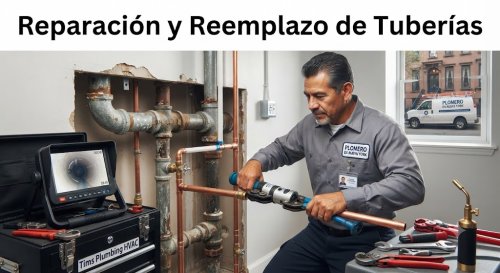
While cleaning a faucet aerator is a straightforward DIY task, diagnosing failing galvanized piping, replacing a worn PRV, or performing leak detection on underground lines requires specialized tools and professional expertise. Older New Orleans homes require a careful touch to preserve historic finishes while modernizing vital infrastructure. Upgrading outdated lines to modern PEX or copper piping permanently resolves chronic low pressure and ensures reliable water flow for years to come.
Frequently Asked Questions
Why is my hot water pressure lower than my cold water pressure?
If only your hot water is sluggish, the issue usually points directly to your water heater. Over time, sediment settles at the bottom of the tank, partially blocking the hot water outlet pipe, or scale builds up inside the hot water supply lines.
Can municipal water supply work affect my home pressure?
Yes. Routine maintenance, main line breaks, or high demand in your neighborhood can temporarily drop municipal pressure. However, if neighbors have normal pressure while yours remains low, the issue is internal to your property.
Are galvanized pipes dangerous?
Beyond severely restricting water pressure and accumulating rust, aging galvanized pipes can eventually corrode through completely, leading to sudden leaks or water damage behind walls and under floors in older homes.