Emergency Plumber Meraux: Leaking Water Heater
Discover what to do when your water heater leaks in Meraux, LA. Learn causes, urgent steps, warning signs, and local repair services.
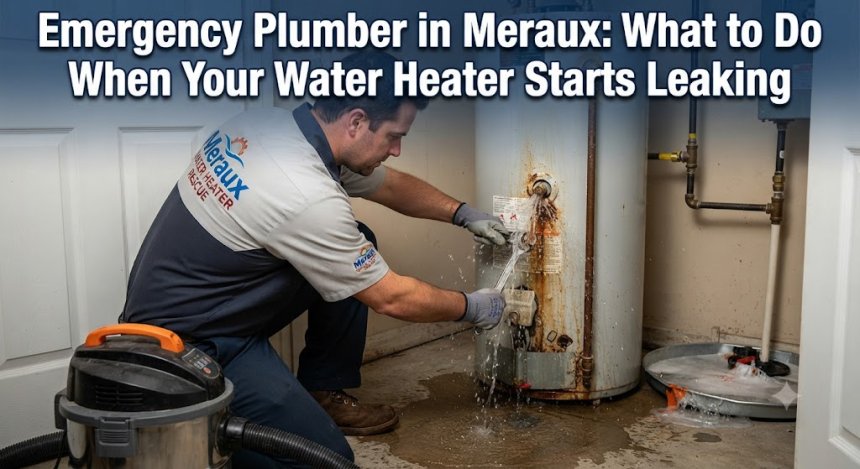
An emergency plumber in Meraux is often the lifeline a homeowner needs when discovering puddles gathering around the base of their domestic water heating unit. Meraux, a peaceful community in St. Bernard Parish located just downriver from New Orleans, features a diverse housing landscape ranging from elevated coastal properties to established suburban neighborhoods. When a hot water storage tank begins spewing or dripping water, it threatens your subfloors, promotes rapid mold growth, and disrupts your daily routine. Knowing how to act swiftly during a tank failure can prevent catastrophic indoor flooding and property damage.
What Is a Leaking Water Heater?
A leaking water heater is a plumbing malfunction where water escapes from the storage tank, internal fittings, or connected supply and discharge pipes, pooling onto utility room or garage floors.
Common situations involve finding a slow trickle near the bottom drain valve, discovering a steady stream spraying from a corroded pressure relief valve, or waking up to a major flood caused by a ruptured internal glass-lined tank. In humid southeastern Louisiana environments, condensation can sometimes mimic a minor leak, making a professional diagnostic assessment essential to determine whether you are dealing with harmless moisture or structural tank failure.
Why Does This Plumbing Problem Happen?
Water heater leaks are driven by a combination of mineral buildup, thermal expansion, age, and environmental stress factors common to the region.
-
Hard Water and Sediment Accumulation: Regional water supplies carry mineral sediments that settle at the bottom of the tank, overheating the metal base and causing micro-fractures.
-
Corrosion and Rust: Over years of continuous operation, the sacrificial anode rod depletes completely, leaving the steel tank interior vulnerable to aggressive rusting and perforation.
-
Excessive Water Pressure: Municipal water lines or closed plumbing systems running higher than normal PSI place extreme continuous strain on tank seams and welded joints.
-
Faulty Temperature and Pressure Relief (T&P) Valves: When internal tank temperatures or pressures exceed safe operating limits, a failing T&P valve releases water or sticks open entirely.
-
Loose Plumbing Connections: Thermal expansion and contraction cycles cause cold water inlet and hot water outlet nipples to loosen over time.
-
Improper Installation: Substandard venting, incorrect gas or electrical hookups, or missing expansion tanks can shorten a unit's operational lifespan dramatically.
Signs You Should Never Ignore
Recognizing early warning signs of a failing water heater can save you thousands of dollars in emergency remediation and premature replacement costs.
-
Discolored or Rusty Water: Brownish or red-tinted hot water indicates interior tank rust and structural corrosion signaling an imminent rupture.
-
Rumbling or Popping Noises: Loud banging sounds from inside the tank mean heavy sediment buildup is boiling and trapping steam against the steel bottom.
-
Inconsistent Water Temperature: Running out of hot water quickly or experiencing wild temperature swings points to failing heating elements or thermostat issues.
-
Damp Walls or Ceiling Stains: Moisture appearing on nearby drywall or framing indicates hidden condensation or active pipe connection leaks.
-
Visible Puddles or Rust Streaks: Water pooling around the base or rust streaks running down the outer jacket of the tank demand immediate professional evaluation.
Common Plumbing Problems Related to Water Heater Failures
Water heater leaks frequently coincide with or trigger broader plumbing system complications throughout a home.
-
Pipe Leaks: Corroded thermal expansion stress cracking adjacent copper or PEX supply lines.
-
Drain Clogs: Overflowing safety drain pans connected to blocked or improperly routed discharge lines.
-
Water Heater Failures: Total structural collapse of internal glass-lined storage vessels.
-
Burst Pipes: Pressure surges resulting from failed thermal expansion tanks.
-
Fixture Damage: Scalding or mineral-clogged downstream faucets and mixing valves.
Step-by-Step Professional Repair Process
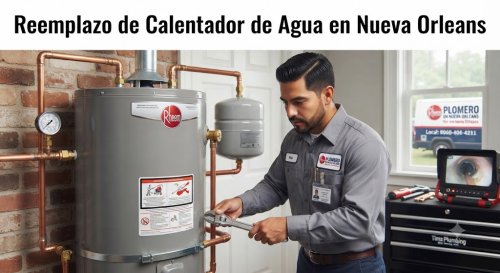
When you hire a licensed plumbing professional in St. Bernard Parish to handle a leaking water heater, they execute a rigorous, methodical repair protocol.
-
Step 1: Immediate Safety and Shutdown: The technician shuts off the electricity (at the breaker box) or gas supply, followed by closing the cold water inlet valve.
-
Step 2: Diagnostic Assessment: The plumber inspects the tank, fittings, T&P valve, and base to determine whether the unit can be repaired or requires full replacement.
-
Step 3: Upfront Estimate: A clear, transparent cost breakdown is provided, outlining parts, labor, and equipment options.
-
Step 4: Drainage and Removal: If replacement is necessary, the tank is drained using a hose and safely disconnected and hauled away.
-
Step 5: Installation and Testing: A new, code-compliant water heater is installed, connected, filled, and rigorously tested for pressure and thermal performance.
-
Step 6: Site Cleanup: The work area is thoroughly sanitized and cleared of all old debris, packaging, and old components.
-
Step 7: Maintenance Advice: The homeowner receives professional guidance on flushing intervals and anode rod replacements to maximize equipment lifespan.
Can You Fix It Yourself?
While minor fitting adjustments can sometimes be managed by handy homeowners, water heater leaks demand extreme caution.
-
Safe DIY Solutions: You can safely tighten a loose drain valve cap or insulate exposed exterior supply lines during winter freezes.
-
Temporary Fixes: If a fitting drips slowly, place a bucket underneath and close the cold water supply valve to minimize water volume until help arrives.
-
What You Can Safely Do: Turn off the power switch or gas control knob and mop up surrounding surface water to prevent slip hazards.
-
When DIY Becomes Dangerous: Attempting to weld or epoxy a rusted-out steel tank under pressure is extremely dangerous and prone to catastrophic bursting.
-
When Professional Plumbing is Necessary: Any active leak originating from the tank body itself or complex gas line connections requires immediate professional intervention.
Tools Professionals Use
Modern plumbing relies on advanced diagnostic and installation equipment to resolve water heater emergencies safely and accurately.
-
Multimeters: Electrical testing tools used to check heating elements, thermostats, and circuit continuity on electric water heaters.
-
Pressure Testing Gauges: Instruments used to measure municipal water supply pressure and verify thermal expansion safety limits.
-
Pipe Wrenches and Tubing Cutters: Specialized heavy-duty tools designed to disconnect and re-pipe copper or PEX lines securely.
-
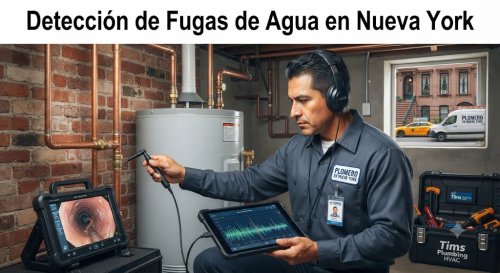
Thermal Imaging Cameras: Infrared devices used to detect hidden moisture pockets behind walls and beneath flooring.
-
Hand Trucks and Straps: Specialized lifting equipment required to maneuver heavy 40-to-50-gallon tanks safely out of tight utility closets.
How Long Does the Repair Usually Take?
Repair timelines fluctuate based on the specific nature of the component failure and installation requirements.
-
Minor Component Replacements: 1 to 2 hours to swap out a faulty T&P valve, thermostat, or heating element.
-
Standard Tank Replacement: 2 to 4 hours to drain, remove, and install a new equivalent water heater unit.
-
Conversion from Tank to Tankless: 4 to 8 hours due to additional gas line, venting, and electrical modifications.
-
Factors Affecting Time: Accessibility in tight closets, corroded shutoff valves, permit coordination, and necessary code upgrades.
Cost Factors
Professional plumbing investments vary based on specific job requirements and site conditions.
-
Diagnostic Fees: Initial service call and troubleshooting charges.
-
Parts and Equipment: Cost of replacement valves, elements, or brand-new tank vs. tankless systems.
-
Labor and Complexity: Time required to navigate tight installation spaces or modify old gas/electrical routing.
-
Emergency Service Charges: Premium rates applied for after-hours, weekend, or holiday dispatch.
-
Permit Costs: Local St. Bernard Parish municipal permit fees if required for major replacements.
-
Cost Overview: Plumbing repair costs vary depending on the severity of the problem, accessibility, materials required, emergency service, property type, and local labor rates.
Hidden Truths Homeowners Should Know
Operating a residential plumbing system in coastal Louisiana involves practical realities every property owner must navigate.
-
Small Leaks Become Expensive Repairs: A slow drip at the base of a water heater quickly rusts out the tank bottom, turning a minor valve fix into a full replacement.
-
Cheap Temporary Fixes Fail: Epoxy patches on rusted tank walls cannot withstand internal water pressure and will burst unexpectedly.
-
Insurance Exclusions: Standard homeowner policies frequently reject water damage claims caused by deferred maintenance on aging water heaters.
-
Hard Water Shortens Lifespan: Regional mineral content accelerates internal scaling, cutting standard tank lifespans nearly in half without regular flushing.
-
DIY Mistakes Increase Costs: Incorrect electrical wiring or gas hookups create severe safety hazards and void manufacturer warranties.
-
Delaying Replacements Invites Flooding: Operating a water heater past its 10-to-12-year window invites catastrophic tank failure.
-
Hidden Leaks Spike Bills: Undetected hot water leaks waste energy and water, artificially inflating utility statements.
-
Annual Maintenance Pays Off: Flushing sediment annually doubles the operational efficiency of your water heater.
-
Anode Rods Matter: Replacing a depleted anode rod every few years prevents premature tank corrosion.
15 Common Mistakes Homeowners Make
Avoiding these frequent errors will protect your plumbing infrastructure and save you from unnecessary financial stress.
-
Ignoring Minor Bottom Drips: Waiting until a puddle turns into a flood instead of servicing the unit early.
-
Skipping Annual Flushes: Allowing sediment to accumulate and bake against the bottom tank surface.
-
Neglecting Anode Rod Inspections: Failing to check sacrificial anode rods, leading to unchecked interior rust.
-
Setting Temperature Too High: Keeping thermostats above 120°F, which accelerates mineral scaling and scalding risks.
-
Skipping Thermal Expansion Tanks: Failing to install expansion tanks in closed systems, causing extreme pressure spikes.
-
Hiring Unlicensed Handymen: Trusting complex gas and electrical water heater replacements to unqualified workers.
-
Ignoring T&P Valve Drips: Letting safety relief valves drip without checking for underlying high pressure or heat issues.
-
Using Incorrect Pipe Materials: Mixing incompatible metals without dielectric unions, causing galvanic corrosion.
-
Over-Tightening Fittings: Applying excessive wrench force that cracks plastic drain valves or threaded nipples.
-
Blocking Access Panels: Storing boxes and household items tightly around the water heater, blocking emergency access.
-
Failing to Know Main Shutoff: Not knowing how to shut off the cold water supply during an active tank rupture.
-
Delaying Holiday Maintenance: Waiting until family gatherings conclude before addressing inconsistent hot water.
-
Ignoring Strange Noises: Dismissing loud rumbling sounds until internal tank structural failure occurs.
-
Skipping Permits for Replacements: Performing unpermitted major installations that complicate future home sales.
-
Neglecting Insulation: Leaving hot water supply pipes uninsulated in unconditioned spaces, losing thermal efficiency.
Maintenance Tips
Implement these practical, seasonal maintenance strategies to keep your Meraux plumbing system performing reliably year-round.
-
Flush Your Tank Annually: Drain a few gallons of water from the bottom valve once a year to clear out sediment buildup.
-
Test the T&P Valve: Lift the test lever on the temperature and pressure relief valve periodically to ensure it snaps shut cleanly.
-
Inspect Anode Rods: Check and replace sacrificial anode rods every 3 to 5 years to prevent tank corrosion.
-
Insulate Water Pipes: Wrap exterior and crawlspace hot water pipes with foam insulation to reduce heat loss.
-
Check Temperature Settings: Maintain your water heater thermostat at 120°F for optimal energy efficiency and safety.
-
Monitor for Moisture: Regularly check the floor around your water heater for early signs of dampness or pooling.
-
Clear Surrounding Space: Keep a 2-foot clear perimeter around your water heater free of clutter and flammable items.
-
Test Shutoff Valves: Annually open and close your water heater cold supply valve to ensure it operates freely.
-
Install Leak Detectors: Place battery-operated smart water alarms on the floor near the base of the tank.
-
Schedule Professional Inspections: Have a licensed plumber evaluate your whole-house plumbing system and water heater annually.
-
Know Emergency Contacts: Keep a trusted local emergency plumber number saved in your phone before trouble strikes.
-
Flush Tankless Filters: Clean intake air and water filters on tankless units twice a year to maintain optimal flow.
-
Protect Outdoor Units: Shield exterior or garage-mounted units from extreme weather events and freezing temperatures.
-
Watch Utility Bills: Track monthly statements for unexpected spikes that indicate efficiency loss or hidden leaks.
-
Address Drips Promptly: Repair minor valve and pipe fitting drips immediately before they worsen.
When Should You Call an Emergency Plumber?
Certain plumbing scenarios cannot wait for regular business hours and require immediate professional intervention.
-
Active Tank Ruptures: Water gushing or spraying continuously from the body of the water heater tank.
-
Gas Line Odors: Any suspicion of a natural gas leak near your water heater control valve (evacuate immediately).
-
Electrical Sparking: Visible sparks or smoking electrical connections around the water heater control box.
-
Total Loss of Hot Water: Sudden, unexplained failure of hot water supply across a household during freezing weather.
-
Major Flooding Risks: Rapidly accumulating water threatening electrical panels and subfloor framing.
-
Severe T&P Valve Failures: A pressure relief valve discharging boiling water uncontrollably.
Frequently Asked Questions
Why is my water pressure suddenly low? Sudden low pressure is typically caused by a partially closed main valve, a failing pressure regulator, or a hidden leak in your supply line.
How much does leak detection cost? Leak detection pricing varies based on the property size, pipe accessibility, and advanced acoustic or thermal equipment required by the technician.
Can a clogged drain damage pipes? Yes. Persistent clogs increase internal hydraulic pressure, which stresses pipe joints and can cause cracks or structural bursts over time.
Is hydro jetting safe for old pipes? A licensed plumber must perform a camera inspection first; while safe for sound pipes, hydro jetting can damage severely compromised or collapsed historic lines.
How do I know if my sewer line is broken? Frequent backups, persistent foul odors, soggy lawn patches, and gurgling drains are the primary indicators of a broken sewer line.
How long do water heaters last? Standard tank water heaters typically last between 8 to 12 years, while tankless units can operate efficiently for 15 to 20 years with maintenance.
Why does my faucet drip? Dripping faucets are usually caused by worn-out rubber washers, degraded O-rings, or mineral accumulation inside the valve cartridge.
What causes pipes to burst? Freezing temperatures, extreme age, high municipal water pressure, and heavy soil shifting are the leading causes of pipe bursts.
Can plumbing leaks increase my water bill? Even a small pinhole leak can waste thousands of gallons of water per month, resulting in a significantly inflated municipal utility bill.
When should I replace plumbing instead of repairing it? You should consider full replacement when pipes experience repeated failures, extensive corrosion, material degradation, or frequent root intrusions.