Common Causes of Low Water Pressure in Older New Orleans Homes
Discover why older New Orleans homes experience low water pressure, from galvanized pipe corrosion to municipal supply issues, and learn what you can do.

Understanding Low Water Pressure in Historic New Orleans Properties
Walking through historic neighborhoods like the French Quarter, Faubourg Marigny, or Uptown reveals architectural gems that define New Orleans. However, owning an older home in this region comes with unique challenges, particularly regarding the plumbing infrastructure. Many homeowners notice a frustrating drop in flow rate when running the shower or kitchen sink. Addressing low water pressure in older New Orleans homes requires understanding how aging pipes and local environmental factors interact.
1. Galvanized Pipe Interior Corrosion
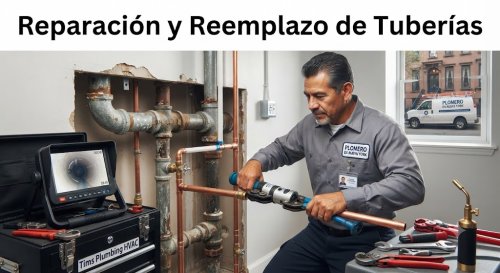
One of the most frequent culprits behind poor water flow in historical properties is the presence of legacy galvanized steel pipes. Installed decades ago, these pipes slowly corrode from the inside out. As zinc coatings degrade, mineral deposits and rust accumulate, severely constricting the interior diameter of the pipe. When you turn on a fixture, the restricted pathway prevents a normal volume of water from passing through. Replacing these outdated lines with modern copper or PEX piping is often the definitive solution for long-term pressure restoration.
2. Mineral Buildup and Sediment in Faucet Aerators
New Orleans water and local environmental conditions can accelerate mineral accumulation in fixtures. Over time, calcium, lime, and sediment travel through the plumbing lines and get trapped inside faucet aerators and showerheads. This localized blockage mimics whole-house low water pressure, even if the main supply line is functioning correctly. Fortunately, unscrewing the aerator screen and soaking it in a vinegar solution is a straightforward maintenance task that frequently restores a strong, steady stream.
3. Aging Shut-Off Valves and Pressure Regulators
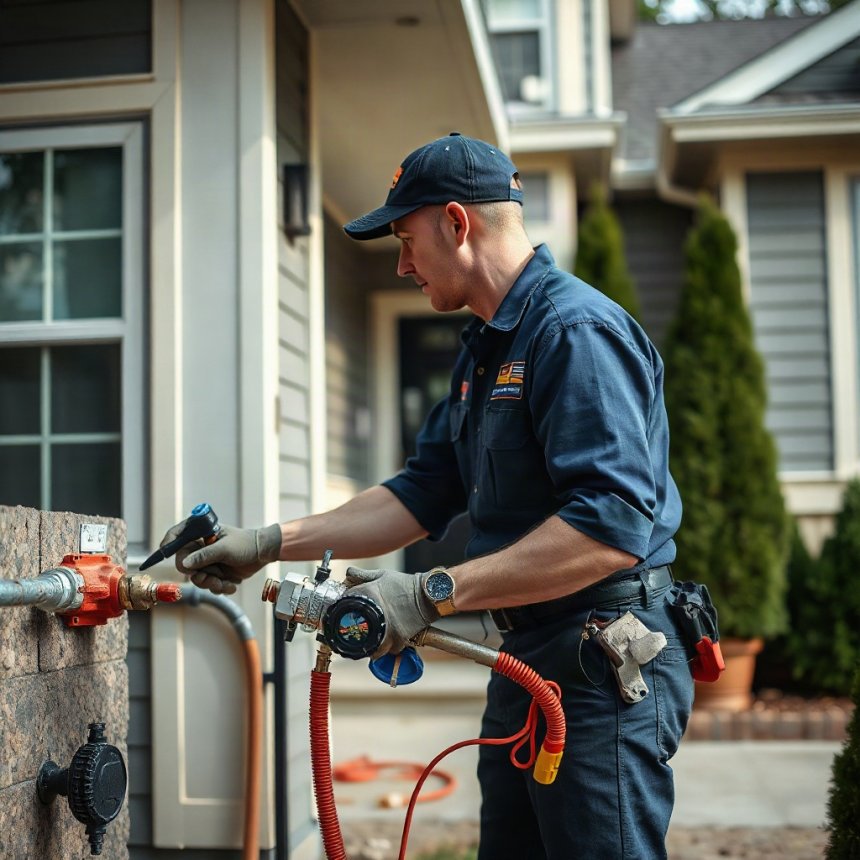
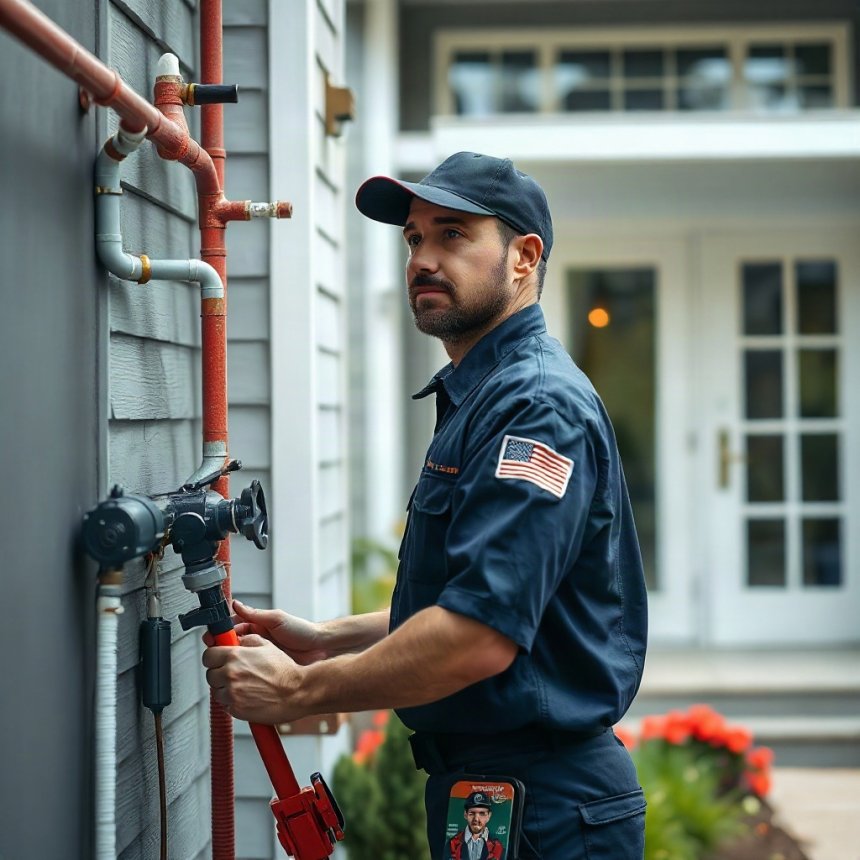
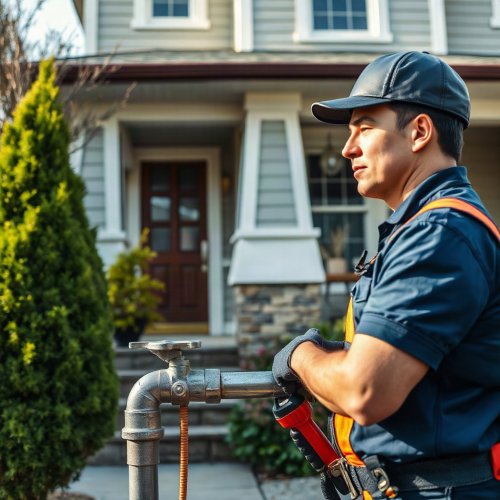
Many older residences feature main water shut-off valves or pressure reducing valves (PRVs) that have worn out over decades of service. If a PRV fails or a gate valve becomes partially stuck due to internal mineral binding, it restricts the flow entering the home's distribution network. A professional inspection of the main entry point can determine whether a faulty valve is throttling your water pressure.
4. Municipal Supply Factors in Historic Neighborhoods
Sometimes, the issue originates outside your property line. New Orleans' aging municipal infrastructure undergoes frequent maintenance, repairs, and line replacements. High demand during peak hours or temporary city infrastructure strain can cause noticeable pressure fluctuations across entire neighborhoods. Checking with neighbors can help clarify whether the pressure drop is isolated to your property or part of a wider municipal issue.
Frequently Asked Questions
Why does only my hot water have low pressure?
If cold water pressure is normal but hot water is weak, the issue usually lies within your water heater or its immediate supply lines. Sediment accumulation in a traditional tank water heater or a partially closed inlet valve can restrict hot water delivery.
Can I fix low water pressure myself?
You can easily clean clogged aerators and check accessible shut-off valves. However, if the cause is internal pipe corrosion, failing pressure regulators, or hidden leaks, hiring a qualified New Orleans plumber is necessary to safely diagnose and repair the system.
Are older lead or galvanized pipes dangerous?
While galvanized pipes primarily cause flow restrictions and discoloration through rust, older service lines may also present structural vulnerabilities. Upgrading outdated materials improves both water pressure and overall water quality.