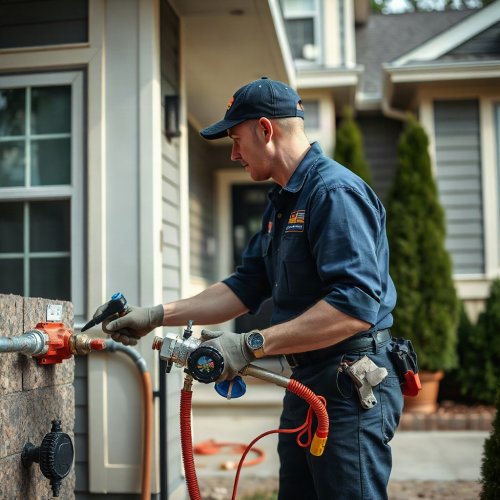
Common Causes of Water Leaks in Historic New Orleans Homes
Discover the leading causes of water leaks in historic New Orleans properties, from aging cast iron pipes to shifting soils, and learn how to protect your home.


Owning a historic home in New Orleans—whether it's a classic Creole cottage in Faubourg Marigny, a stately Greek Revival in the Garden District, or a shotgun house Uptown—comes with undeniable architectural charm. However, maintaining these century-old structures requires understanding the unique vulnerabilities of aging infrastructure. Among the most pressing concerns for property owners is the increased risk of water leaks.
Because of our city's unique subterranean environment and the advanced age of many residential plumbing systems, water leaks can develop quietly and cause extensive damage before they are noticed. Recognizing the common causes of water leaks in historic New Orleans homes is the first step toward safeguarding your property against costly structural repairs.
Aging Piping Materials and Corrosion
Many historic homes in New Orleans still contain older plumbing materials that have long exceeded their intended lifespan. While modern construction relies heavily on durable plastics like PEX or modern copper, historic properties often feature galvanized steel, cast iron, or even original lead pipes.
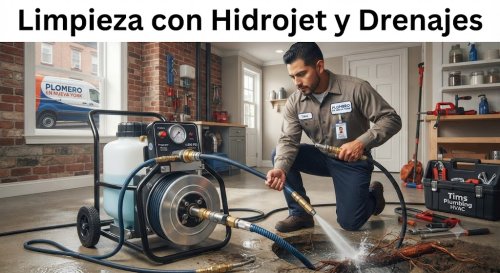
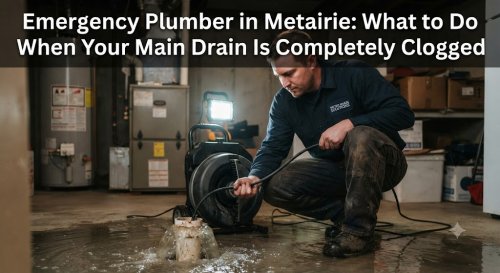
Over decades of service, galvanized steel pipes suffer from internal rust accumulation, which restricts water flow and eventually leads to pinhole leaks or sudden pipe ruptures. Cast iron drain and sewer lines, common in mid-century and older renovations, are also susceptible to internal scaling, cracking, and root intrusion, which can lead to severe wastewater leaks beneath the floorboards or in the yard.
Shifting Delta Soils and Foundation Settlement
New Orleans sits on a high water table with alluvial soils composed of soft clays and silts. These soils expand when saturated by heavy seasonal rainfall and shrink dramatically during dry summer months. This constant cycle of expansion and contraction puts enormous stress on building foundations and the underground plumbing systems anchored within them.
When a historic pier-and-beam foundation or a concrete slab shifts, rigid supply lines and sewer pipes can pull apart, crack, or shear completely. Underground water service lines running from the municipal meter to the house are particularly vulnerable to ground movement, often resulting in hidden yard leaks or slab leaks.
Sub-Slab and Crawlspace Moisture Challenges
Many older New Orleans homes feature raised crawlspaces, while others built later may have been retrofitted with concrete slabs directly over grade. Both configurations present distinct moisture management challenges that contribute to plumbing leaks.
- Crawlspaces: High humidity levels beneath raised homes can accelerate exterior pipe corrosion. Condensation frequently forms on cold water supply lines, dripping onto wooden structural elements and encouraging wood rot alongside slow joint leaks.
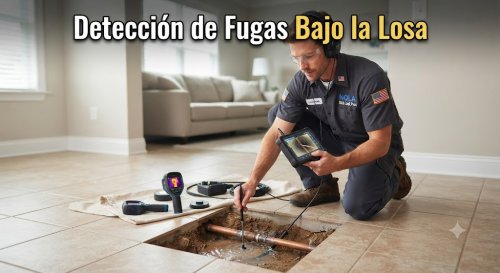
- Slab Foundations: When copper supply lines are run directly through or beneath concrete slabs, chemical reactions with the soil or abrasive concrete can wear down the metal over time, resulting in elusive sub-slab water leaks.
Wear and Tear on Vintage Fixtures and Valves
Historic properties often retain or feature vintage-style plumbing fixtures, stop valves, and faucets. While these elements add authentic character, older mechanical shut-off valves under sinks and behind toilets frequently seize up or develop deteriorated rubber washers and packing nuts.
When an aging isolation valve fails during daily use or routine maintenance, it can trigger a sudden indoor flood. Additionally, vintage supply lines—such as unshielded braided or rigid metal connectors—are prone to fatigue and sudden bursts if they have not been updated in recent decades.
Preventative Measures for Historic Properties
Protecting a historic New Orleans home from water damage requires proactive maintenance rather than reactive repairs:
- Schedule periodic professional leak detection in New Orleans to identify hidden pressure drops or damp spots before they escalate.
- Inspect exposed pipes in crawlspaces and basements regularly for signs of greenish corrosion, scaling, or dripping joints.
- Replace outdated flexible supply connectors with modern, high-grade braided stainless steel lines.
- Know the exact location of your main water shut-off valve so you can act quickly in an emergency.
Frequently Asked Questions
How can I tell if my historic home has a hidden water leak?
Common warning signs include an unexplained increase in your water bill, the sound of running water when all fixtures are turned off, musty odors in specific rooms, damp patches on walls or flooring, or warm spots on your floor if a hot water line is leaking beneath a slab.
Are galvanized steel pipes repairable, or do they need total replacement?
While an isolated pinhole leak in a galvanized pipe can sometimes be patched temporarily, galvanized steel corrodes from the inside out. If your home still has a network of aging galvanized pipes, localized patches are usually only a stopgap measure, and a full repiping project is often recommended for long-term reliability.
Why do underground pipes fail more often in New Orleans?
The combination of saturated delta soils, frequent ground shifting, high humidity, and the advanced age of municipal and private infrastructure places constant mechanical stress on underground water and sewer lines.