Common Causes of Water Leaks in Historic New Orleans Homes
Discover the leading causes of hidden water leaks in historic New Orleans homes, from shifting foundation soils to aging plumbing materials, and learn how to protect your property.

Protecting Historic Architecture from Hidden Water Damage
Owning a historic home in neighborhoods like the French Quarter, the Garden District, or Faubourg Marigny is a unique privilege. These architectural gems carry centuries of local character, high ceilings, intricate plasterwork, and old-growth heart pine framing. However, historic properties also present distinct plumbing challenges. Managing aging infrastructure while preserving the structural integrity of a century-old house requires specialized knowledge, particularly when it comes to locating and preventing water leaks.
Because many older residences have undergone multiple rounds of remodeling over the decades, their plumbing systems can resemble complex patchworks of modern and vintage materials. Identifying the root causes of water leaks in these properties helps homeowners prevent catastrophic water damage, structural rot, and expensive remediation.
Age-Related Pipe Degradation and Material Shifts
The single most common culprit behind residential water leaks in older properties is the natural aging of the plumbing materials themselves. Depending on the era in which a home was built or last significantly renovated, its pipes may consist of materials that have long since exceeded their expected lifespans.
- Galvanized Steel: Popular in mid-20th-century renovations, galvanized steel pipes are prone to internal rust accumulation. Over decades, this corrosion narrows the interior diameter and eventually leads to pinhole leaks or sudden pipe bursts.
- Cast Iron: Found in older drainage and waste stacks, aging cast iron becomes brittle and develops internal pitting or external soil corrosion, leading to slow leaks behind walls or beneath floorboards.
- Vintage Copper: While durable, older copper lines installed in aggressive soil conditions or subjected to decades of hard water mineral buildup can develop pinhole leaks caused by internal erosion or external friction.
Ground Settlement and Foundation Movement
New Orleans features unique delta soil conditions characterized by high moisture content, organic clay, and frequent water table fluctuations. Over time, the ground beneath residential structures shifts, settles, and expands. This continuous movement places immense mechanical stress on rigid, aging supply lines and rigid waste connections.
When a historic raised Creole cottage or brick center-hall home settles unevenly, subterranean water lines or vertical supply risers inside interior walls can bend, strain, or crack. These hidden structural shifts often generate subtle leaks at threaded joints or soldered elbows long before any visible surface symptoms appear.
Sub-Slab and Crawlspace Vulnerabilities
Depending on how a historic New Orleans home was originally constructed—whether elevated on brick piers with a crawlspace or built on a later concrete slab—moisture management plays a critical role in leak prevention.
Crawlspaces and Pier Foundations
Many classic New Orleans homes sit elevated on brick piers, leaving an open or enclosed crawlspace underneath. While this design historically protected living areas from seasonal high water, it exposes supply lines to fluctuating humidity, temperature extremes, and occasional standing water. Uninsulated pipes running through damp crawlspaces are vulnerable to joint separation, corrosion, and slow weeping leaks that can go unnoticed until wood rot or mold sets in.
Slab-On-Grade Additions
When historic properties have modern additions built on concrete slabs, copper or PEX lines running through or beneath the concrete can experience friction from shifting sub-base materials. Over years of thermal expansion and contraction, pipes rubbing against aggregate or abrasive soil develop localized friction wear, resulting in under-slab water leaks.
Recognizing the Warning Signs of Hidden Leaks
Because historic homes feature thick plaster walls, hardwood flooring, and historic millwork, water leaks rarely announce themselves with an obvious flood immediately. Homeowners should stay vigilant for subtle indicators of hidden moisture:
- Unexplained increases in monthly municipal water bills.
- Musty, damp odors in closets, beneath historic staircases, or in lower wall cavities.
- Peeling paint, bubbling wallpaper, or soft, crumbling plaster.
- Warm spots on floors (indicating a hot water supply line leak beneath the surface).
- The sound of running water when all fixtures are completely closed.
Proactive Leak Detection and Maintenance Strategies
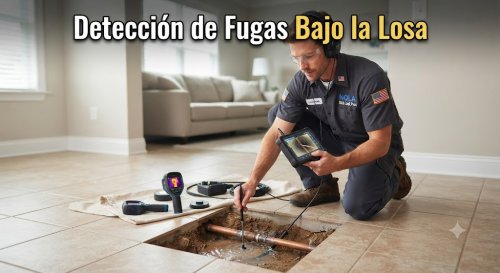
Safeguarding a historic New Orleans property against moisture intrusion requires a proactive approach rather than waiting for an emergency plumbing failure. Professional leak detection utilizes advanced non-invasive technology, such as acoustic listening devices, thermal imaging cameras, and electronic line tracing, to pinpoint the exact source of hidden moisture without tearing into historic lath-and-plaster walls or damaging antique hardwood floors.
Routine visual inspections of exposed pipe runs in crawlspaces, checking water meter activity during periods of zero usage, and scheduling periodic evaluations of aging plumbing systems help preserve both the integrity of the plumbing and the historic charm of the home.
Frequently Asked Questions
Why do historic New Orleans homes experience more plumbing leaks?
Historic properties often contain aging pipe materials that have reached the end of their operational lifespans. Combined with local soil shifting and high humidity, these aging lines are more susceptible to corrosion, joint failure, and pinhole leaks.
Can leak detection be performed without damaging historic walls?
Yes. Modern professional leak detection relies on non-invasive tools like acoustic sensors and thermal cameras, allowing plumbers to locate hidden leaks accurately behind plaster or beneath flooring without unnecessary demolition.
Are galvanized steel pipes still common in older New Orleans houses?
Galvanized steel pipes are frequently found in homes renovated during the mid-20th century. Because they corrode internally over time, many homeowners choose proactive pipe replacement to prevent sudden leaks.
How can I tell if my water bill indicates a hidden leak?
If your household water consumption remains consistent but your municipal utility bill spikes unexpectedly, or if your water meter dial turns continuously when all taps and appliances are off, you likely have a hidden water leak.