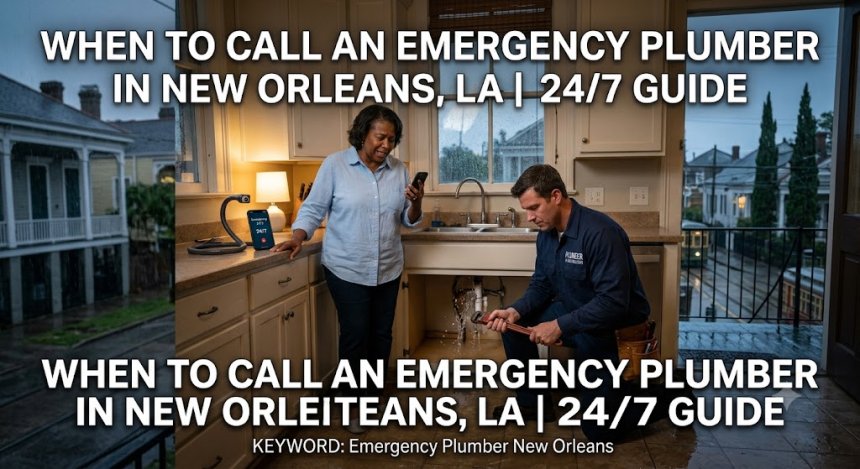
When to Call an Emergency Plumber in New Orleans, LA | 24/7 Guide
Learn when to call an emergency plumber in New Orleans, LA. Identify severe pipe bursts, main line leaks, and sewer backups to prevent major water damage.
When Should You Call an Emergency Plumber in New Orleans, LA?
Plumbing problems rarely happen at a convenient time. A sudden pipe burst under a elevated Creole cottage, a backed-up sewer line during a torrential summer rainstorm, or a completely clogged drain on a holiday weekend can leave any New Orleans homeowner or business owner scrambling. Because so much of the city sits at or below sea level, local plumbing systems face distinct operational stresses that make delay risky.
Understanding when a situation requires an immediate response—and when it can wait until regular business hours—saves thousands of dollars in water damage restoration, structural repairs, and emergency fee premiums.
What Is Emergency Plumbing?
Emergency plumbing refers to any sudden failure in a residential or commercial plumbing system that poses an immediate risk to health, property integrity, or basic human necessity. Unlike a dripping faucet or a slow-draining bathroom sink, an emergency requires immediate professional intervention—day, night, or weekend.
       +-------------------------------------------------------------+
       |                  PLUMBING INCIDENT DETECTED                 |
       +-------------------------------------------------------------+
                                      |
                                      v
                      Is water flowing uncontrollably?
                      Is raw sewage backing up inside?
                      Is running water completely unavailable?
                                      |
                     +----------------+----------------+
                     |                                 |
                    YES                                NO
                     |                                 |
                     v                                 v
        +-------------------------+       +-------------------------+
        |   EMERGENCY PLUMBING    |       |  SCHEDULED APPOINTMENT  |
        |  Shut off water supply  |       |   Monitor system status |
        |   Call plumber 24/7     |       |    Call during business |
        +-------------------------+       +-------------------------+
Common Emergency Situations
-
Uncontrolled Water Flow: A ruptured main line or snapped supply tube flooding floors.
-
Raw Sewage Backup: Waste flowing backward into tubs, showers, or floor drains.
-
Complete Loss of Running Water: Total interruption of clean domestic water service.
-
Active Gas Line Leaks: Distinct sulfur odors or whistling gas supply lines connected to water heaters.
Symptoms of Urgent Issues
-
Sudden, drastic drops in water pressure across all household fixtures.
-
Gurgling sounds originating from toilets when washing machines drain.
-
Damp carpet, warped hardwood, or soft spots in drywall near hidden pipe runs.
-
Persistent sewage odors radiating from yard lines or bathroom drains.
Why Does This Plumbing Problem Happen in New Orleans?
New Orleans plumbing systems operate under environmental conditions rarely seen in other parts of the country. High humidity, flat topography, low-lying ground, and historical building styles combine to accelerate system wear.
                                 NEW ORLEANS
                             ENVIRONMENTAL STRESS
                                      |
        +-----------------------------+-----------------------------+
        |                             |                             |
        v                             v                             v
  SOIL SUBSIDENCE             HISTORIC PIPING            HIGH TEMPERATURES
Sub-surface shifting        Aging cast iron & galvanized  Accelerated mineral scaling
causes sheared mains        lines corrode internally      & bacterial growth
-
Aging Infrastructure: Historic neighborhoods like the French Quarter, Garden District, and Uptown feature properties built with legacy materials. Galvanized steel scales up inside, restricting flow, while aging cast-iron drain lines break down due to acidic soil exposure.
-
Soil Subsidence & Soil Shifting: Heavy clay soils swell when saturated and shrink during dry spells. This continuous shifting places strain on underground main lines, shearing sewer connections and water service pipes.
-
Tree Root Intrusion: Fast-growing live oaks, crape myrtles, and magnolia trees send deep root systems searching for moisture. Roots easily penetrate micro-cracks in clay or cast-iron drain lines, causing severe blockages.
-
Corrosion & High Water Pressure: High municipal water pressures, combined with minerals present in local water supplies, wear down valve seats, supply flex lines, and copper pipe elbows over time.
-
Sub-Sea-Level Drainage Pressures: During heavy Gulf storms or tropical downpours, municipal storm drains fill rapidly. High water tables impede gravity drainage, causing structural waste back-ups into ground-floor fixtures.
Signs You Should Never Ignore
Plumbing systems usually display visible warning signs before experiencing a catastrophic failure. Recognizing these signs early prevents major property destruction.
-
Damp Walls and Water Stains: Discolored rings on ceilings or soft spots on drywall point to hidden pinhole leaks inside structural walls.
-
Slow Drains Across Multiple Fixtures: If a single sink drains slowly, it's a isolated clog. If your shower, sink, and toilet all drain sluggishly at once, your main sewer line is failing.
-
Unusual Water Meter Activity: If your water meter continues spinning while all home taps are completely shut off, an unseen leak is running somewhere on your property.
-
Spike in Utility Bills: Unexplained increases in your monthly water bill often indicate slab leaks or underground supply line fractures.
-
Rattling or Knocking Pipes: Water hammer occurs when high-pressure liquid stops abruptly inside pipes. Unchecked knocking eventually snaps solder joints and fittings.
-
Discolored Water: Brownish or yellowish water coming from domestic taps indicates rust inside aging steel supply lines or serious water heater tank corrosion.
Common Plumbing Problems Related to Emergency Plumbing
+--------------------------+---------------------------------------------------------+
| Related Issue            | Primary Risk Factor                                     |
+--------------------------+---------------------------------------------------------+
| Pipe Leaks               | Structural rot, high utility bills, structural mold     |
| Drain Clogs              | Overflowing fixtures, localized water damage            |
| Sewer Line Backups       | Pathogenic biohazards, extensive floor destruction      |
| Water Heater Failures    | Flooding from tank rupture, loss of sanitation heating  |
| Burst Pipes              | Rapid interior flooding, ceiling collapsed panels       |
| Slab Leaks               | Foundation erosion, sub-floor structural shifts         |
+--------------------------+---------------------------------------------------------+
Step-by-Step Professional Repair Process
When you call for urgent plumbing assistance, licensed technicians follow a structured diagnostic and repair protocol to restore safety.
+---------------------+     +---------------------+     +---------------------+
| STEP 1: INSPECTION  | --> |  STEP 2: DIAGNOSIS  | --> |   STEP 3: ESTIMATE  |
| Shut off mains &    |     | Utilize high-tech   |     | Upfront pricing for |
| secure site safety  |     | diagnostic cameras  |     | immediate clearance |
+---------------------+     +---------------------+     +---------------------+
                                                                   |
+---------------------+     +---------------------+     +----------v----------+
|  STEP 7: ADVICE     | <-- |   STEP 6: CLEANUP   | <-- |   STEP 4: REPAIR    |
| Long-term preventive|     | Sanitize area & test|     | Execute professional|
| maintenance plan    |     | system pressure     |     | piping restoration  |
+---------------------+     +---------------------+     +---------------------+
-
Emergency Isolation: The technician locates and closes key shut-off valves to arrest continuous flooding or safety hazards immediately upon arrival.
-
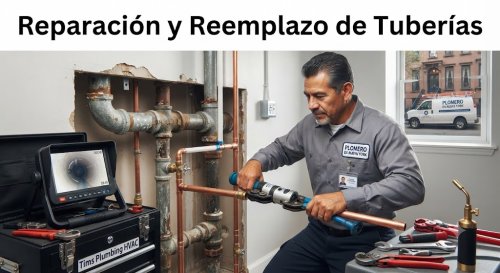
Diagnostic Assessment: Utilizing leak detection sensors, thermal cameras, or digital push cameras, the plumber pinpoints the exact origin of the breakdown.
-
Upfront Estimate: A detailed scope of work is presented, laying out necessary structural repairs, replacement parts, and estimated time to completion.
-
Targeted Repair Work: Broken pipe sections are cut out and replaced, high-pressure jetting clears blocked drains, or structural components are repaired to code.
-
Pressure & System Testing: The team pressurizes affected lines to verify that all newly installed fittings, valves, and pipes hold leak-free seals.
-
Sanitization & Site Restoration: Affected working spaces are cleaned, sanitized, and returned to a safe state for home occupancy.
-
Preventive Guidance: The plumber outlines specific maintenance actions to prevent a recurrence of the issue.
Can You Fix It Yourself?
When faced with an urgent plumbing issue, taking the wrong DIY step can turn a manageable repair into a costly structural disaster.
       +---------------------------------------------------------------+
       |                   DIY vs. PROFESSIONAL RISK                   |
       +---------------------------------------------------------------+
       | SAFE DIY ACTIONS               | DANGEROUS DIY MITIGATIONS    |
       +--------------------------------+------------------------------+
       | * Shutting main water valve    | * Pouring harsh chemicals    |
       | * Clearing sink surface clogs  | * Dismantling main drain stacks
       | * Replacing faucet washers     | * Thawing pipes with open flame
       | * Placing collection buckets   | * Modifying gas supply lines |
       +--------------------------------+------------------------------+
What You Can Safely Do Before the Plumber Arrives
-
Immediately turn off the main water shut-off valve to limit damage.
-
Shut off the power breaker connected to your electric water heater if water flow stops.
-
Contain active drips using buckets, towels, and containment pans.
-
Clear furniture, rugs, and personal belongings away from wet areas.
Risks of DIY Mechanical Repairs
-
Corrosive Chemical Damage: Pouring caustic drain cleaners into backed-up pipes creates chemical hazards for technicians and erodes thin cast iron or brass fittings.
-
Structural Wall Damage: Opening structural walls without line locators runs the risk of puncturing hidden electrical wiring or pressurized gas lines.
-
Sewer Gas Exposure: Removing cleanout caps without proper equipment can release hazardous hydrogen sulfide and methane gas into lived spaces.
Diagnostic Tools Professionals Use
Modern emergency response relies on specialized equipment to solve issues quickly without unnecessary damage to your home.
+--------------------------+---------------------------------------------------------+
| Tool Name                | Primary Diagnostic Function                             |
+--------------------------+---------------------------------------------------------+
| Fiber-Optic Drain Cameras| Inspects internal drain wall pipe conditions visually.  |
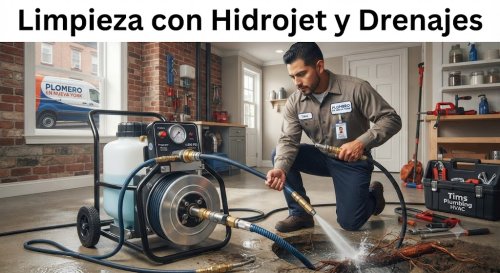
| Hydro-Jetting Units      | Clears grease, mineral scale, and roots using high PSI. |
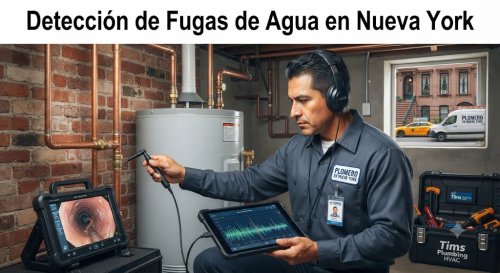
| Ultrasonic Leak Detectors| Pinpoints hidden pressurized pinhole pipe leaks.        |
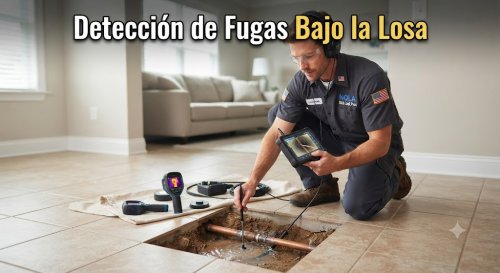
| Thermal Imaging Cameras  | Visualizes moisture pockets behind drywall & under slab.|
| Digital Pipe Locators    | Maps exact line depth and direction below foundations.  |
+--------------------------+---------------------------------------------------------+
How Long Does the Repair Usually Take?
Repair timelines depend on pipe accessibility, structural layout, damage extent, and part availability.
+--------------------+---------------------+-----------------------------------------+
| Repair Complexity  | Average Timeframe   | Common Examples                         |
+--------------------+---------------------+-----------------------------------------+
| Simple             | 1 - 2 Hours         | Supply line replacements, fixture valves|
| Moderate           | 2 - 4 Hours         | Main drain snaking, leak isolation      |
| Major              | 4 - 8 Hours         | Water heater swaps, pipe section resets |
| Complex/Emergency  | 1 - 3 Days          | Full line replacements, sub-slab reroutes|
+--------------------+---------------------+-----------------------------------------+
Key Timeline Factors
-
Accessibility: Poured slab foundations, raised piers with limited crawl space, or historic lathe-and-plaster walls take longer to access safely.
-
Permitting & Inspections: Extensive main line updates require local parish permits and municipal inspections.
-
Extent of System Damage: Extensive pipe collapse requires excavation equipment, lengthening work timelines compared to localized repairs.
Cost Factors
Understanding what shapes total service fees helps you plan without relying on fixed price quotes online.
Industry Note: Plumbing repair costs vary depending on the severity of the problem, accessibility, materials required, emergency service, property type, and local labor rates.
-
Diagnostic Complexity: Advanced thermal imaging or sewer camera diagnostics require technical skill and specialized equipment.
-
After-Hours Service Rates: True 24/7 service involves dedicated on-call technicians dispatching during nights, weekends, or major holidays.
-
Material Requirements: Modern commercial-grade materials (like heavy-gauge PEX or seamless copper fittings) carry higher material costs, but last significantly longer.
-
Structural Accessibility: Repairs under concrete foundations or behind plaster walls require extra labor and specialized restoration access.
-
Local Permitting Needs: Structural plumbing alterations or sewer tap resets require municipal permits through local parish offices.
Hidden Truths Homeowners Should Know
-
Small Dripping Leaks Create Structural Rot: A minor trickle behind a vanity cabinet rots subflooring and attracts termites long before water shows up on finished floors.
-
Chemical Cleaners Cause Accelerated Corrosion: Over-the-counter drain chemicals generate heat inside pipes, softening PEX lines and cracking vintage cast iron.
-
Homeowners Insurance Excludes Chronic Neglect: Most standard homeowner policies cover sudden pipe ruptures, but exclude damage linked to long-term unresolved leaks.
-
Tree Roots Return Without Structural Line Sleeving: Clearing roots with a rotary snake provides only temporary relief; roots grow back until the line is relined or replaced.
-
Hard Water Scale Shortens Water Heater Lifespan: Untreated sediment buildup bakes onto heating elements, driving up energy bills and burning out tanks early.
-
DIY Fitting Over-Tightening Causes Fractures: Over-torquing plastic flex lines or brass fittings splits threads, setting up sudden midnight pipe ruptures.
-
Hidden Slab Leaks Erode Foundation Soil: Unchecked water escaping beneath foundations washes away supporting soil, causing floor slabs to sink and crack.
15 Common Plumbing Mistakes Homeowners Make
-
Ignoring Minor Drips: Leaving a small faucet or valve drip running for months wastes thousands of gallons of water and corrodes valve seats.
-
Pouring Grease Down Kitchen Sinks: Warm cooking grease cools, solidifies, and coats pipe walls, trapping food particles and forming solid clogs.
-
Flushing Flushable Wipes: Wipes do not break down like toilet paper. They snag on internal pipe ridges, triggering major main line backups.
-
Neglecting Water Pressure Valves: Operating above 80 PSI strains pipe solder points and supply lines, causing premature fixture failure.
-
Hiring Unlicensed Operators: Unlicensed contractors lack required insurance, bonds, and knowledge of current municipal codes, leaving you financially exposed.
-
Skipping Water Heater Flushing: Sediment bakes into solid layers, causing tank overheating, efficiency drops, and premature tank failure.
-
Using Bleach Blocks in Toilet Tanks: Chemical drop-in blocks degrade rubber flappers and fill-valve seals, causing hidden tank-to-bowl leaks.
-
Hanging Heavy Items on Exposed Pipes: Using basement or utility room pipes as storage racks stresses pipe hangers and breaks soldered joints.
-
Over-tightening Threaded Connections: Threading pipe fittings together past recommended torque strips threads, creating slow hidden leaks.
-
Delaying Main Line Inspections: Waiting until drains stop working completely converts routine cleaning into an emergency main line replacement.
-
Connecting Dissimilar Metals Without Dielectric Unions: Joining copper directly to steel causes galvanic corrosion, rapidly rusting out pipe joints.
-
Leaving Garden Hoses Connected in Winter: Cold snaps freeze trapped water back into outdoor spouts, bursting internal wall pipes.
-
Ignoring Sump Pump Maintenance: Leaving sump pumps uninspected leads to sudden basement flooding during heavy Gulf storms.
-
Misinterpreting Gurgling Fixture Sounds: Ignoring gurgling toilets misses early warnings of a failing plumbing vent or main sewer blockage.
-
Attempting Complex Gas Line Modifications: Working on water heater gas supply lines without formal licenses risks explosive gas leaks and fire hazards.
Essential Plumbing Maintenance Tips
Spring & Summer Care
-
Inspect outdoor hose spouts and irrigation connections for winter freeze damage.
-
Check washing machine supply hoses for cracking, bulges, or corrosion around connection couplings.
-
Test air conditioner condensate drain lines to prevent summer overflow backups inside walls.
-
Verify proper operation of main sewer backflow valves before heavy seasonal storm activity.
Fall & Winter Care
-
Disconnect, drain, and store all garden hoses before seasonal temperature drops.
-
Insulate exposed water supply lines located in unheated crawl spaces or exterior walls.
-
Test your home's main shut-off valve to ensure smooth operation during a winter emergency.
-
Flush your water heater tank to remove accumulated sediment before heavy winter hot water use.
Year-Round Best Practices
-
Keep grease, fibrous foods, coffee grounds, and harsh chemicals out of garbage disposals.
-
Install stainless-steel braided flex lines on all toilets, ice makers, and bathroom vanities.
-
Clean drain strainers weekly to stop hair and soap scum from forming deep drain clogs.
-
Schedule annual professional maintenance inspections for your system's drain line and water heater.
When Should You Call an Emergency Plumber?
Call for emergency assistance immediately if you notice any of these high-risk situations:
+-------------------------------------------------------------------+
|                  CRITICAL EMERGENCY INDICATORS                    |
+-------------------------------------------------------------------+
| [!] Uncontrolled Water Flooding                                   |
| [!] Sewage Backing Up into Showers, Tubs, or Floor Drains        |
| [!] Total Loss of Domestic Running Water                          |
| [!] Visible Gas Line Damage or Strong Sulfur/Rotten-Egg Odors     |
| [!] Water Flowing Near Electrical Panels or Outlets               |
+-------------------------------------------------------------------+
Delaying emergency service during a true crisis dramatically increases water damage repair costs, structural rot, and health hazards.
Frequently Asked Questions
Why is my water pressure suddenly low?
A sudden drop in water pressure across all fixtures points to a main supply line leak, municipal supply disruption, or a failed pressure-reducing valve.
How much does leak detection cost?
Costs vary based on property layout and accessibility. Professional leak detection uses advanced acoustic sensors and thermal imaging to find hidden leaks non-invasively.
Can a clogged drain damage pipes?
Yes. Complete blockages trap standing water inside pipes, creating continuous internal pressure, accelerating joint stress, and driving standing waste through pipe seams.
Is hydro jetting safe for old pipes?
Hydro jetting is safe when preceded by a camera inspection. Licensed plumbers adjust water pressure to safely clear debris without damaging older cast iron or clay lines.
How do I know if my sewer line is broken?
Key indicators include persistent sewage smells, multiple slow drains, lush patches of grass over buried lines, and recurring ground-floor waste backups.
How long do water heaters last?
Tank-style water heaters generally last 8 to 12 years. Tankless models can last 20 years or more with routine maintenance and regular flushing.
Why does my faucet drip?
Dripping faucets are usually caused by worn-out O-rings, deteriorated rubber washers, or corroded valve seats inside the handle assembly.
What causes pipes to burst?
Pipes burst from severe internal water pressure surges, thermal expansion from sudden freezes, structural shifting, and advanced physical corrosion.
Can plumbing leaks increase my water bill?
Yes. Even a small hidden pinhole leak running continuously can waste thousands of gallons a month, causing unexplained spikes in your utility bill.
When should I replace plumbing instead of repairing it?
Replace your plumbing if pipes suffer from chronic leaks, extensive internal corrosion, visible rusting, low flow from mineral scaling, or if materials are past their expected lifespan.
Why Choose Plumber in New Orleans
When plumbing emergencies hit your home or commercial property, you need a local expert who understands New Orleans' unique structural challenges, low-lying topography, and historic building codes.
At Plumber in New Orleans, we deliver fast, trustworthy service when you need it most:
-
Licensed & Experienced Technicians: Our skilled team diagnoses complex residential and commercial issues quickly and accurately.
-
Upfront, Transparent Estimates: We explain all costs clearly before work begins, so you never face unexpected surprises.
-
Modern Equipment: We use high-definition sewer cameras, acoustic leak detectors, and industrial hydro-jetters to fix issues without unnecessary property damage.
-
Local Expertise: We know the plumbing systems in the French Quarter, Uptown, Mid-City, Metairie, and surrounding communities inside and out.
-
Fast Emergency Response: We respond quickly to critical failures to protect your home from extensive water damage.
Service Area
Serving New Orleans, Metairie, Kenner, Algiers, Gretna, Harvey, Marrero, Chalmette, River Ridge, and Harahan.
Plumber in New Orleans