Why Does Your Historic New Orleans Home Smell Like Sewer Gas?
Discover why sewer gas odors appear in historic New Orleans homes and learn how local plumbing professionals trace and eliminate these unpleasant smells.
Living in a historic home in neighborhoods like the French Quarter, Faubourg Marigny, or Uptown New Orleans offers unmatched architectural charm. However, older construction methods, aging cast iron piping, and the city's unique high water table can sometimes combine to produce a persistent, unpleasant issue: the unmistakable smell of sewer gas inside your living space.
Sewer gas is not just an annoying odor; it contains a mixture of toxic gases like hydrogen sulfide and methane, which can cause headaches, nausea, and air quality concerns. Understanding why these odors occur in older properties and how professional New Orleans plumbers address them can help keep your home safe and comfortable.
Understanding Sewer Gas and Historic Properties
In standard modern plumbing, every fixture is designed with a trap—a curved section of pipe that holds a small amount of water. This water barrier blocks sewer gases from rising up through your drains, toilets, and sinks. Additionally, a network of vent pipes extends through the roof, allowing sewer gases to safely escape above the home while balancing air pressure within the drainage system.
In historic New Orleans homes, these systems often face unique vulnerabilities:
- Aging Cast Iron Pipes: Many older houses still rely on original cast iron drain lines. Over decades of exposure to moisture and shifting soil, these pipes can crack, develop pinhole leaks, or corrode entirely.
- Vented Modifications: Older homes frequently undergo renovations where bathrooms or kitchens are added in unconventional spaces, sometimes resulting in improper venting or missing cleanouts.
- Dry P-Traps: Guest bathrooms, rarely used utility sinks, or floor drains in historic basements and raised foundations can dry out quickly in the humid Louisiana climate if water isn't run through them regularly.
Common Culprits Behind Sewer Odors in New Orleans
Pinpointing the source of sewer gas requires a systematic approach. Here are the most frequent issues encountered in local properties:
1. Cracked or Corroded Vent Stacks
Vent pipes running through the walls or roof can crack due to age or shifting framing. When a vent line breaks inside a wall cavity, sewer gas escapes directly into the home rather than venting safely into the atmosphere outside. Roof-level vents can also become blocked by leaves, debris, or bird nests.
2. Damaged Wax Rings and Toilet Seals
The seal between the base of your toilet and the floor flange prevents water and gas from leaking out when you flush. In older homes with uneven settling or historic wood subfloors, toilets can rock slightly. This movement breaks the wax seal, allowing sewer odors to leak out around the base of the fixture.
If you notice a sewer-like smell specifically in the bathroom near the toilet, a compromised wax ring is often the primary suspect.
3. Deteriorated Under-Floor Drain Lines
Many New Orleans homes are built on raised foundations, leaving crawlspaces where drain lines are fully exposed. Others are built on slab foundations where older cast iron pipes run underneath the concrete. Corrosion, root intrusion, or soil shifting can cause cracks in these lines, releasing gas into the crawlspace or permeating upward through floorboards.
How Professionals Diagnose Sewer Gas Leaks
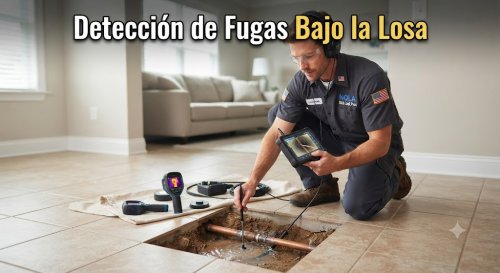
Because sewer gas can travel through wall cavities and subflooring, finding the exact entry point isn't always straightforward. Experienced New Orleans plumbing professionals use specialized techniques to locate invisible leaks without tearing up historic plaster or antique millwork unnecessarily.
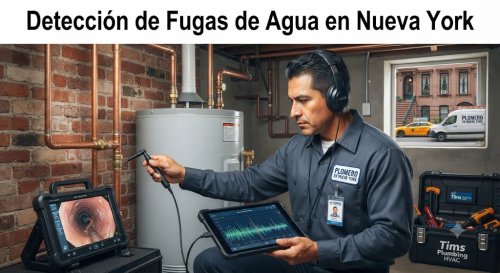
Smoke testing is one of the most effective methods for tracing stubborn odors. Plumbers introduce a non-toxic, chemically engineered smoke into the plumbing drainage system. As the smoke travels through the pipes and vents, it billows out of any cracks, broken seals, or missing vent connections, immediately revealing the source of the leak.
Camera inspections are also frequently employed to examine the interior condition of underground or in-wall cast iron drain lines, identifying structural failures, scale buildup, or misaligned joints.
Preventing and Resolving Odor Issues
Addressing sewer gas odors depends heavily on the root cause identified during inspection:
- Running Floor Drains: Pour a cup of water down rarely used floor drains or utility sinks every few weeks to keep the p-trap barrier full.
- Re-sealing Fixtures: Replacing a deteriorated toilet wax ring and securing the toilet flange stops localized bathroom odors.
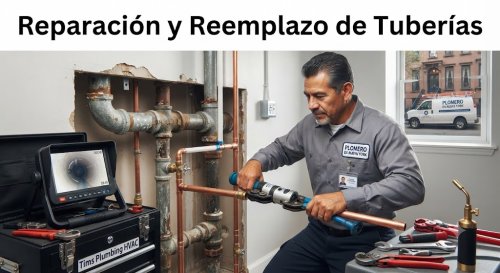
- Pipe Repair and Replacement: Damaged sections of cast iron or galvanized pipe must be repaired or replaced with modern PVC or modern-rated materials where appropriate, keeping local historic guidelines in mind.
- Vent Line Repairs: Clearing rooftop obstructions or repairing broken vent stacks restores proper air pressure and redirects gases safely away from the living area.
Frequently Asked Questions
Is sewer gas dangerous to breathe?
Yes, prolonged exposure to high concentrations of sewer gas can cause health symptoms such as fatigue, dizziness, headaches, and respiratory irritation. Even low-level chronic odors should be investigated and resolved promptly.
Why does the sewer smell get worse on rainy days in New Orleans?
Changes in barometric pressure during heavy rainstorms can push sewer gases back up through traps and drains, especially in municipal systems running at high capacity. Additionally, high humidity can make existing odors more noticeable indoors.
Can I use chemical drain cleaners to fix sewer odors?
Chemical drain cleaners are designed to clear clogs, not fix structural pipe cracks, dry traps, or broken vent stacks. In historic homes, harsh chemicals can actually accelerate the corrosion of older metal pipes.