Common Causes of Low Water Pressure in Older New Orleans Homes
Discover why older New Orleans homes experience low water pressure. Learn about galvanized pipes, mineral buildup, pressure regulators, and local plumbing fixes.
Living in a historic home in neighborhoods like the French Quarter, Faubourg Marigny, or Uptown New Orleans offers unmatched architectural charm. However, these older properties often come with unique modern frustrations, chief among them being frustratingly low water pressure. When you turn on a shower or kitchen faucet and get a disappointing trickle instead of a steady stream, it can disrupt your daily routine.
Understanding why older New Orleans homes lose water pressure requires looking at how plumbing infrastructure was built decades ago, combined with local environmental factors. From corroded piping materials to mineral accumulation, several distinct culprits typically cause pressure drops in historic properties.
1. Corroded Galvanized Steel Pipes
One of the most frequent causes of low water pressure in older New Orleans houses is the presence of original galvanized steel supply lines. In mid-20th-century and earlier construction, galvanized pipes were standard. Over decades of exposure to water, these metal pipes inevitably corrode from the inside out.
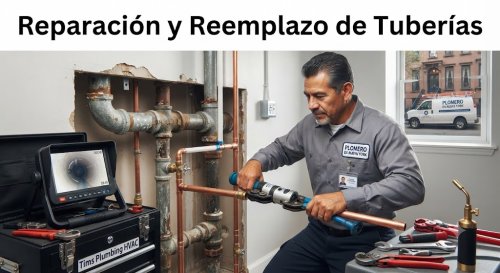
As rust and mineral deposits accumulate along the interior walls of the pipe, the internal diameter narrows drastically. This restriction starves your faucets, showers, and appliances of adequate volume and pressure. If your home still has its original galvanized piping, a comprehensive repiping project using modern PEX or copper is often the only permanent solution to restore full water flow.
2. Mineral Buildup and Sediment Blockages
While municipal water treatment ensures safety, water can still carry dissolved minerals and fine sediment over time. In older plumbing systems, these particles gradually settle in low-flow areas, inside shut-off valves, or directly behind faucet aerators and showerheads.
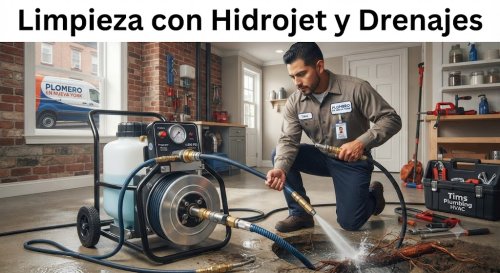
Sometimes, low water pressure is localized to a single fixture. If only one bathroom sink or kitchen faucet is affected, unscrewing the aerator tip often reveals a collection of sandy grit, rust flakes, or calcification. Cleaning or replacing these small components is a quick troubleshooting step, but if sediment clogs the actual supply lines, professional pipe clearing or replacement may be necessary.
3. Faulty Pressure Reducing Valves (PRVs)
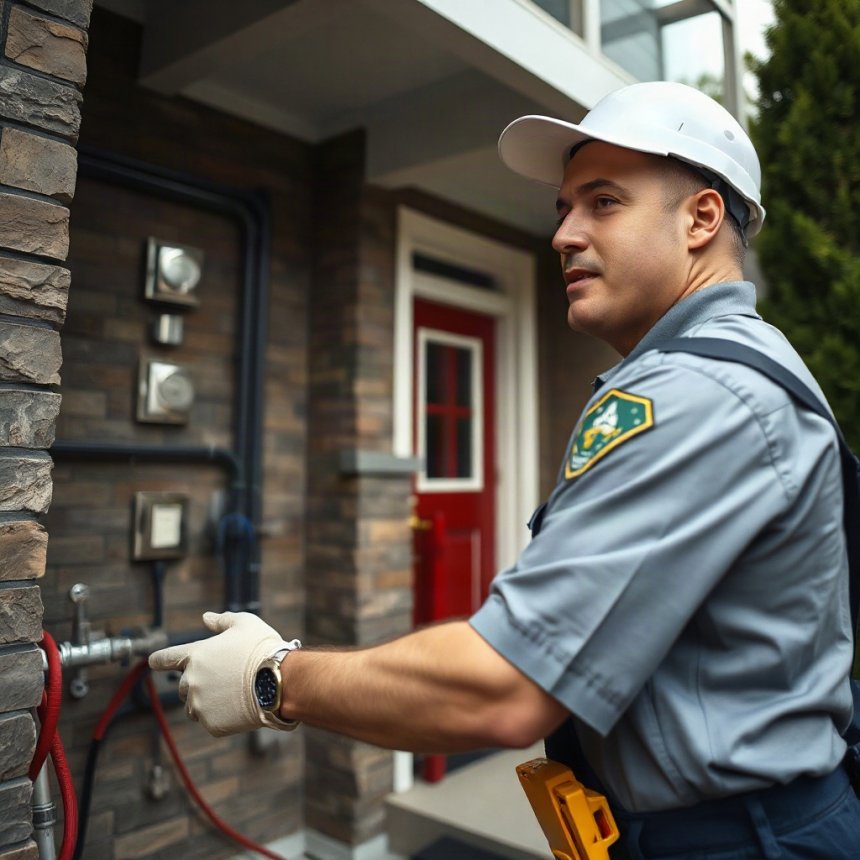
Many residential properties feature a Pressure Reducing Valve (PRV) installed where the main water supply line enters the home. This device protects your internal plumbing fixtures from excessive municipal water pressure.
Over time, the internal springs and diaphragms inside a PRV wear out, stick, or fail completely. When a PRV fails, it often restricts water flow entirely, causing a sudden and dramatic drop in water pressure throughout the entire house. A licensed plumber can test the pressure reading and replace a faulty valve to restore normal operation.
4. Aging Shut-off Valves and Hidden Leaks
Older brass or gate-style main water shut-off valves can fail internally. If the gate mechanism inside the valve breaks or slips, it may remain partially closed even when the handle is turned to the open position, choking off your water supply.
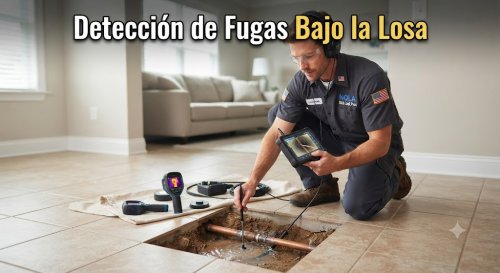
Additionally, chronic low water pressure can sometimes point to a hidden slow leak in your service line or under the slab. Older pipes can develop pinhole leaks due to age and ground shifting. When water escapes through a crack before reaching your fixtures, overall household pressure drops.
When to Call a Professional Plumber
While cleaning a clogged faucet aerator is a simple DIY task, persistent or worsening low water pressure usually indicates a deeper systemic issue within your plumbing network. Attempting to force corroded galvanized lines or replace main supply components without proper tools can lead to major pipe failures.
If you are experiencing chronic low water pressure in your New Orleans home, a professional plumbing inspection can accurately pinpoint whether the issue stems from localized buildup, a failing PRV, or aging piping materials that require replacement.
Frequently Asked Questions
Why is my hot water pressure lower than my cold water pressure?
If only your hot water shows low pressure, the issue usually originates at your water heater. Sediment buildup inside the tank can clog the hot water outlet pipe, or an aging hot water shut-off valve may be partially restricted.
Are low water pressure issues common in historic New Orleans neighborhoods?
Yes. Many historic properties feature aging galvanized or old-style metal piping networks that have degraded over decades of continuous use, naturally leading to restricted flow rates.
How can I tell if my main water shut-off valve is causing low pressure?
If your main valve is old and difficult to turn, or if it feels loose without offering resistance, the internal gate may be stuck in a partially closed position, preventing full water volume from entering your home.