Common Causes of Low Water Pressure in New Orleans Historic Homes
Discover why low water pressure affects historic New Orleans homes. Learn about galvanized pipes, sediment buildup, and local plumbing issues.

Understanding Low Water Pressure in Century-Old New Orleans Properties
Living in a historic New Orleans home—whether it is a classic Creole cottage in Faubourg Marigny, a stately Victorian in Uptown, or a raised shotgun in Mid-City—comes with incredible architectural charm. However, the plumbing systems hidden behind those plaster walls and raised floor joists often tell a different story. Many property owners notice a frustrating drop in water flow when running multiple fixtures. Addressing low water pressure in these older structures requires a clear understanding of how vintage plumbing materials interact with modern usage demands.
Aged Galvanized Steel Piping and Internal Corrosion
One of the primary culprits behind weak water flow in older local residences is the presence of legacy galvanized steel supply pipes. When these systems were installed decades ago, they performed adequately. Over many years of exposure to mineral-rich municipal water, however, the interior zinc coating deteriorates, and rust accumulates inside the pipe walls.
How Corrosion Chokes Water Flow
As iron oxidation builds up layer by layer, the internal diameter of the pipe shrinks significantly. What was once a three-quarter-inch supply line can eventually be restricted to the thickness of a pencil. This severe restriction prevents adequate water volume from reaching showers, kitchen sinks, and washing machines. When multiple taps are opened simultaneously, the pressure drops noticeably across the house.
Mineral Scale Buildup and Sediment Blockages
Water infrastructure in Southeast Louisiana carries various minerals that can precipitate out of solution over time. When these minerals settle, they form hard scale deposits inside plumbing lines, fixture aerators, and shut-off valves.
- Aerator Restrictions: Fine mesh screens on bathroom and kitchen faucets frequently trap loose sediment and calcium scale, cutting off the stream entirely even if the main supply is strong.
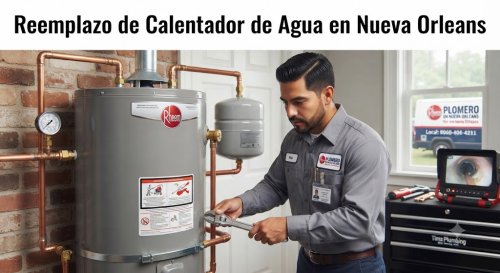
- Water Heater Inlet Clogging: Sediment accumulation at the base of aging water heaters can restrict the outgoing hot water flow, mimicking a whole-house pressure drop restricted solely to hot water taps.
- Valve Obstructions: Older gate valves and inline shut-off valves can break down internally, leaving a loose fragment that partially blocks water passage.
Subsurface Leaks in Aging Service Lines
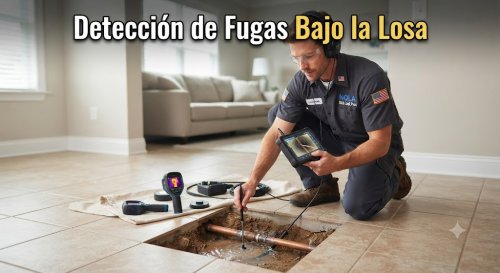
New Orleans features unique soil conditions characterized by high moisture content, shifting clay foundations, and settling ground. Older supply lines running from the municipal meter to the home's interior can experience stress, joint separation, or pinhole leaks.
When a underground pipe develops a slow leak, the home experiences a drop in dynamic water pressure because water is escaping before it ever reaches your indoor fixtures. Property owners should watch for unexplained wet spots in the yard, unusually high municipal water bills, or the sound of running water when all fixtures are turned off.
Outdated Pressure Reducing Valves (PRVs)
Many modern upgrades and municipal code requirements involve installing a Pressure Reducing Valve where the main water line enters the property. In older homes that have undergone partial updates over the decades, a failing or improperly calibrated PRV can restrict flow too aggressively, resulting in chronically low pressure throughout every room.
Practical Steps and Solutions
Diagnosing weak flow in a vintage property starts with isolation testing. Checking individual faucet screens helps determine if the issue is localized or whole-house. If multiple fixtures are affected, professional evaluation of the main supply lines, shut-off valves, and legacy piping materials is necessary to restore proper flow without risking damage to fragile historic finishes.
Frequently Asked Questions
Why is my low water pressure worse during the morning hours?
Morning hours coincide with peak neighborhood demand, where many households draw water simultaneously. If your home has narrowed galvanized pipes or undersized service lines, this shared municipal demand impacts your interior pressure more severely.
Can old galvanized pipes be cleaned out internally?
No. Once interior rust and mineral restriction close off a galvanized steel pipe, chemical flushing or mechanical scraping is ineffective and can cause pipe ruptures. Complete repiping with modern PEX or copper materials is the standard long-term solution.
How do I know if my water meter or the home's plumbing is causing the issue?
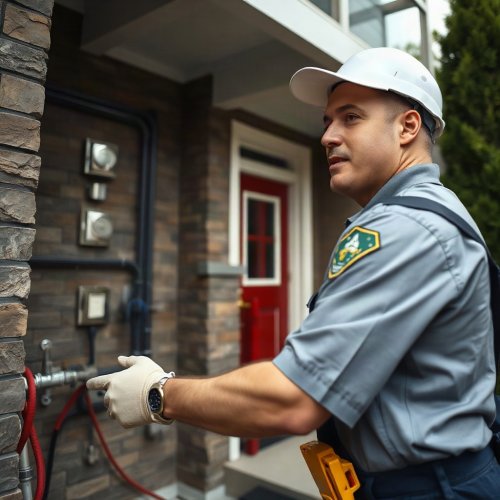
You can check the pressure at the exterior hose bib located right after the water meter. If the pressure is strong outside but weak inside the house, the restriction is located within your private plumbing lines or fixture valves.