Common Causes of Low Water Pressure in Older New Orleans Homes
Discover why older New Orleans homes experience low water pressure. Learn about historic pipe corrosion, mineral buildup, and when to call a local plumber.
Understanding Low Water Pressure in Historic New Orleans Properties
Stepping into a historic New Orleans home—whether it's a classic Creole cottage in Faubourg Marigny or a grand raised center-hall home in the Garden District—offers incredible architectural character. However, older properties come with historic plumbing systems that often present unique challenges. One of the most frequent complaints homeowners face is sluggish flow from faucets and showerheads. Dealing with low water pressure can turn simple daily routines like washing dishes or taking a shower into frustrating chores.
Because New Orleans features a high water table, shifting soils, and aging municipal infrastructure, water pressure issues can stem from several distinct sources. Identifying whether the problem is isolated to a single fixture or affecting the entire house is the first step toward finding a lasting solution.
1. Mineral Scale and Sediment Buildup in Aging Pipes
Water quality and mineral content play a significant role in how plumbing systems age. Over decades of service, mineral deposits can accumulate inside supply lines. This is especially common in older galvanized steel pipes, which were widely used in mid-20th-century construction throughout the city.
As minerals line the interior walls of the pipes, the usable diameter shrinks significantly, choking off the volume of water that can pass through. If you notice that water pressure drops drastically when you turn on both the hot and cold water simultaneously, or if aerators on your faucets keep clogging with white or yellowish flakes, internal pipe restriction is a prime suspect.
2. Historic Galvanized Pipe Corrosion
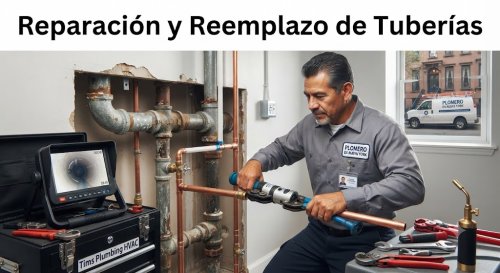
Many older New Orleans residences still retain portions of their original galvanized iron plumbing. Over decades of exposure to moisture and minerals, these iron pipes rust from the inside out. Unlike modern copper or PEX piping, which maintains a smooth interior surface, corroded galvanized pipes develop rough, flaky interior walls that severely restrict flow and can eventually fail entirely.
Replacing aging galvanized lines with modern materials is often the most effective way to restore robust water pressure and prevent unexpected leaks or bursts in older walls and crawlspaces.
3. Partially Closed Main Shutoff Valves
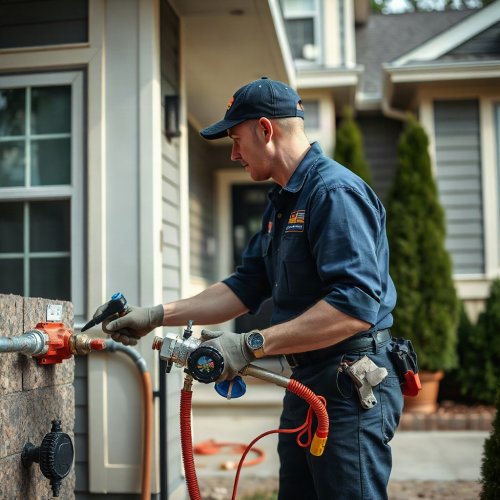
Sometimes the cause of low water pressure is surprisingly simple. Main water shutoff valves, pressure-reducing valves (PRVs), and meter valves can accidentally get knocked partially closed during home renovations, landscaping work, or routine maintenance.
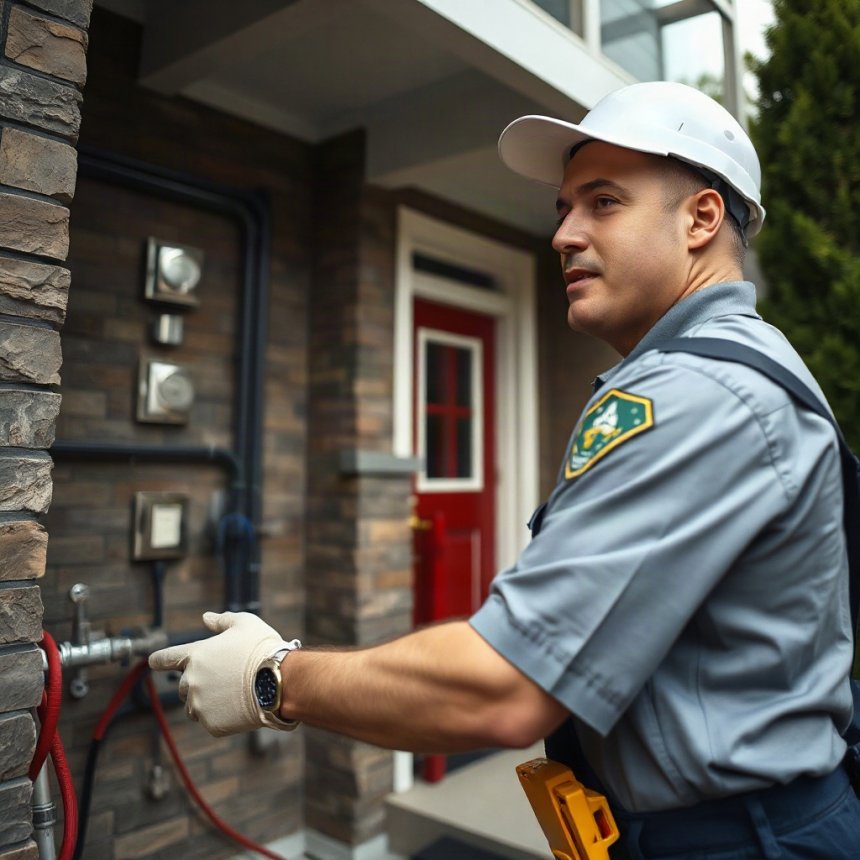
In New Orleans homes, the main water shutoff valve is typically located near the water meter by the property line or where the main supply line enters the crawlspace or slab. Ensuring that this valve is fully open can instantly resolve a whole-house pressure drop.
4. Water Main Leaks and Soil Movement
New Orleans is built on saturated, shifting delta soils. Ground movement, tree roots, and heavy weather events can place tremendous stress on underground water supply lines running from the municipal street main to your home's foundation.
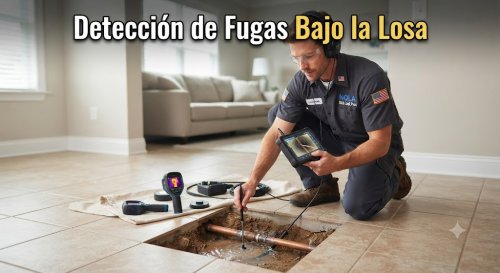
If a supply line develops a crack or a slow leak underground, water escapes into the surrounding soil instead of reaching your indoor fixtures. Warning signs of an underground supply line leak include:
- Unexplained damp patches in the yard, even during dry spells
- A sudden, unexplained increase in your municipal water bill
- The sound of running water when all indoor fixtures are completely turned off
Troubleshooting Tips for Homeowners
Before calling for professional help, you can perform a few basic checks to isolate the issue:
- Check multiple fixtures: Turn on faucets in the kitchen, bathroom, and laundry room. If only one faucet has low pressure, unscrew the aerator tip and clean out any trapped sediment.
- Inspect shutoff valves: Verify that the main water valve and fixture supply valves are fully opened.
- Consult neighbors: Ask nearby residents if they are experiencing similar pressure drops, which can indicate ongoing municipal repairs or main line fluctuations in your neighborhood.
When to Call a Professional Plumber in New Orleans
While cleaning a clogged aerator is a straightforward DIY task, persistent low water pressure usually points to deeper plumbing concerns. If your home features deteriorating galvanized pipes, hidden underground leaks, or an aging pressure-reducing valve, attempting temporary fixes will not solve the root problem.
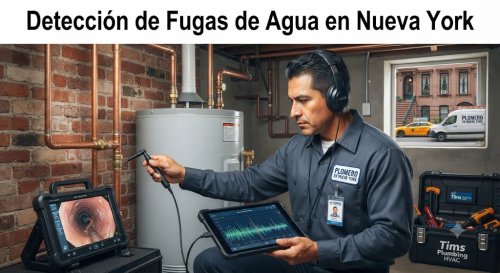
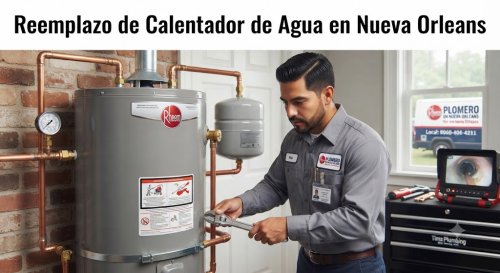
An experienced New Orleans plumber can perform specialized diagnostic tests, such as pressure gauge assessments and pipe inspections, to pinpoint the exact restriction. Upgrading outdated infrastructure not only restores comfortable water pressure and flow throughout your property but also protects your home from costly water damage down the line.