Emergency Plumber Terrytown: Home Flooding
Facing sudden home flooding in Terrytown, LA? Discover urgent steps, warning signs, causes, and local emergency plumbing services.
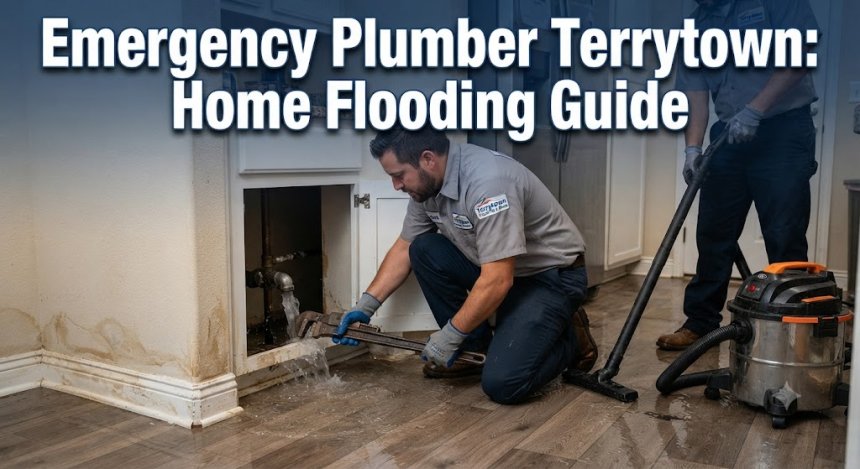
An emergency plumber in Terrytown is often the single most critical contact a property owner needs when unexpected water begins pooling across indoor living spaces or utility areas. Terrytown, a vibrant unincorporated community in Jefferson Parish located just across the river from downtown New Orleans, features a mix of established single-family homes, slab-on-grade foundations, and properties vulnerable to heavy regional downpours. When a major plumbing failure triggers active indoor flooding, acting swiftly is essential to protect your home's structural integrity, safeguard electrical systems, and prevent the rapid growth of hazardous mold.
What Is Home Flooding?
Home flooding caused by plumbing failures is an emergency situation where water escapes pressurized supply lines, appliance connections, or drainage networks faster than building systems can evacuate it, inundating floors, baseboards, and walls.
Common situations involve waking up to a ruptured washing machine supply hose, discovering a failed water heater tank spewing water across a utility room, or watching raw water spill over from a blocked floor drain during a heavy storm. In coastal Louisiana environments, where high water tables and intense subtropical weather are standard, distinguishing between exterior weather seepage and an internal plumbing break dictates how fast you can stop the flow.
Why Does This Plumbing Problem Happen?
Sudden indoor flooding is typically driven by material degradation, mechanical wear, excessive pressure, and environmental stresses affecting residential infrastructure.
-
Aging Pipes and Corrosion: Decades-old galvanized steel or aging copper supply lines pit, thin, and rupture under standard operating pressure.
-
Excessive Water Pressure: Municipal water supply systems delivering high PSI place relentless physical stress on indoor fittings, faucet connectors, and appliance hoses.
-
Worn Plumbing Fixtures: Flexible rubber supply lines for toilets, sinks, and washing machines degrade, crack, and burst after years of thermal expansion cycles.
-
Frozen Pipes: Though rare, sudden winter temperature drops across Jefferson Parish can freeze uninsulated exterior or attic pipes, causing violent splits.
-
Clogs and Sewer Backups: Severe main drain blockages can cause wastewater to push backward out of lowest-level fixtures during heavy use or storms.
-
Improper Installation: Substandard crimping on PEX lines, incorrect fittings, or missing pressure-reducing valves accelerate plumbing failures.
Signs You Should Never Ignore
Recognizing early indicators of plumbing stress can prevent a minor leak from escalating into a catastrophic indoor flood.
-
Water Stains: Discolored patches on ceilings, walls, or baseboards point to slow, chronic leaks hiding behind drywall.
-
Slow Drains: Sluggish water evacuation in sinks or tubs indicates narrowing pipe diameters and impending blockages.
-
Low Water Pressure: A sudden drop across multiple fixtures suggests major restrictions or a compromised underground supply line.
-
High Water Bills: An unexplained spike in your monthly utility statement is often the first sign of a hidden pressurized leak.
-
Damp Walls and Mold Growth: Soft drywall, peeling paint, or musty mildew odors signal prolonged moisture accumulation requiring immediate investigation.
Common Plumbing Problems Related to Home Flooding
Indoor flooding events are closely linked to several recurrent plumbing breakdowns seen across the Greater New Orleans area.
-
Burst Pipes: Sudden structural ruptures in supply lines sending pressurized water streaming into walls or living areas.
-
Drain Clogs: Severe obstructions in kitchen or main waste lines forcing gray water out of floor drains.
-
Sewer Backups: Municipal or lateral line blocks driving raw sewage into subterranean spaces or ground-level bathrooms.
-
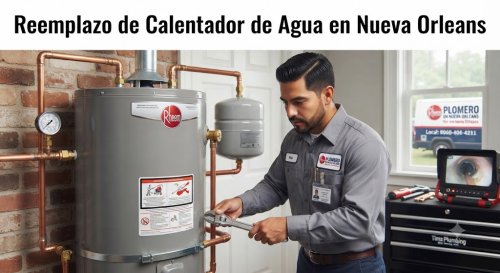
Water Heater Failures: Sudden tank ruptures emptying dozens of gallons onto utility room floors.
-
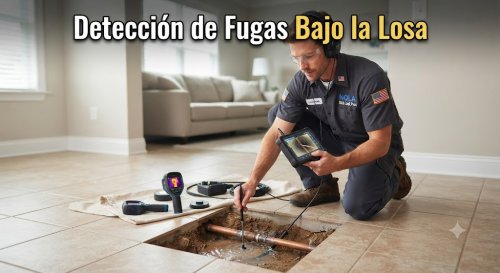
Slab Leaks: Underground supply line failures eroding the soil base beneath concrete foundations.
Step-by-Step Professional Repair Process
When you hire a licensed plumbing professional in Terrytown to handle an active flooding crisis, they execute a rigorous, systematic response plan.
-
Step 1: Water and Power Shutoff: The technician immediately shuts off the main water supply valve and evaluates electrical safety hazards in flooded zones.
-
Step 2: Source Diagnosis: Using visual checks and acoustic equipment, the plumber pinpoints the exact point of failure causing the flood.
-
Step 3: Transparent Estimation: A clear, detailed cost breakdown is provided, outlining necessary repair steps, materials, and labor.
-
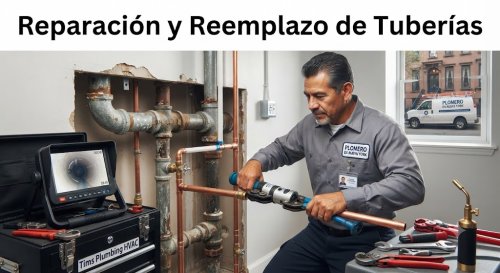
Step 4: Precision Repair or Replacement: The damaged pipe section, faulty valve, or failed appliance connection is repaired or replaced using code-compliant materials.
-
Step 5: Pressure and System Testing: The plumbing network is re-pressurized and tested to ensure zero leakage and proper flow restoration.
-
Step 6: Cleanup and Debris Removal: Work areas are cleared of damaged disposable components, and guidance on professional water extraction is provided.
-
Step 7: Maintenance Advice: The homeowner receives long-term recommendations to prevent future recurrence and protect the plumbing infrastructure.
Can You Fix It Yourself?
While minor drips can be managed by handy homeowners, active indoor flooding requires immediate emergency action and professional oversight.
-
Safe DIY Solutions: You can safely wrap a temporary rubber repair clamp around a small pinhole pipe leak or clear surface clogs with a standard plunger.
-
Temporary Fixes: Locate and close your home’s main water shutoff valve immediately to stop the flooding source.
-
What You Can Safely Do: Move valuable items, rugs, and electronics away from standing water and deploy towels to contain puddles.
-
When DIY Becomes Dangerous: Attempting to work on electrical water heaters or main gas-connected lines during a flood poses severe electrocution and explosion risks.
-
When Professional Plumbing is Necessary: Any active wall spray, major pipe burst, or structural sewer overflow requires immediate dispatch of a licensed plumber.
Tools Professionals Use
Modern plumbing relies on advanced diagnostic and repair hardware to resolve flooding emergencies quickly and accurately.
-
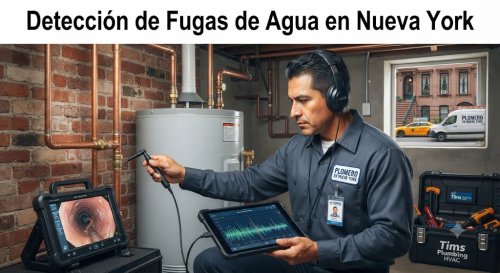
Acoustic Leak Detectors: Electronic listening devices used to pinpoint pressurized water escaping behind concrete slabs or walls.
-
Thermal Imaging Cameras: Infrared tools that instantly detect hidden moisture pockets and saturated framing behind drywall.
-
Pipe Inspection Cameras: Waterproof fiber-optic scopes used to examine interior pipe walls and identify structural cracks.
-
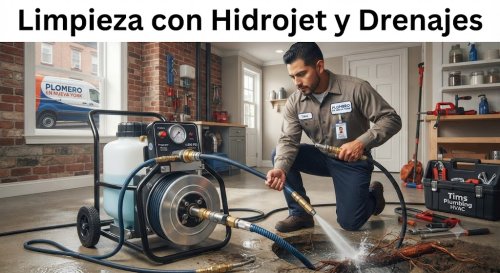
Hydro Jetting Systems: High-pressure water units designed to scour stubborn blockages out of primary drainage lines.
-
Pressure Testing Gauges: Instruments utilized to measure system PSI and verify that pressure regulators are functioning safely.
How Long Does the Repair Usually Take?
Repair timelines vary depending on the severity of the flood source and the extent of pipe damage.
-
Emergency Shutoff and Isolation: 15 to 30 minutes to stop active water flow and stabilize the property.
-
Minor Fixture or Hose Replacements: 1 to 2 hours to swap out failed supply lines, valves, or PEX segments.
-
Major Pipe Repair or Re-piping: 3 to 6 hours depending on wall accessibility and material requirements.
-
Complex Slab Leak Interventions: 1 to 3 days depending on excavation needs and permitting.
-
Factors Affecting Time: Pipe location in crawlspaces or slab foundations, structural accessibility, and extent of water damage.
Cost Factors
Professional plumbing investments fluctuate based on specific job requirements and site conditions.
-
Diagnostic Fees: Initial emergency service call and evaluation charges.
-
Severity and Location: Accessibility of the broken pipe within walls, ceilings, or concrete slabs.
-
Materials Required: Cost of replacing specialized copper, PEX, or cast-iron infrastructure.
-
Emergency Service Rates: Premium charges for dispatching technicians during late nights, weekends, or severe weather events.
-
Restoration Extent: Whether auxiliary equipment or permits are required for code-compliant repairs.
-
Cost Overview: Plumbing repair costs vary depending on the severity of the problem, accessibility, materials required, emergency service, property type, and local labor rates.
Hidden Truths Homeowners Should Know
Operating a residential property in coastal Louisiana involves practical realities every homeowner must understand.
-
Small Leaks Become Expensive Repairs: A minor weeping joint behind a wall quickly rots studs and breeds mold if ignored.
-
Cheap Temporary Fixes Fail: Duct tape and generic sealants cannot withstand continuous water pressure and will rupture.
-
Insurance Exclusions: Standard homeowner policies frequently deny claims resulting from unaddressed, long-term plumbing neglect.
-
Hard Water Shortens Lifespan: Regional mineral accumulation corrodes valves and fittings prematurely, increasing flood risks.
-
DIY Mistakes Multiply Costs: Overtightened threaded fittings crack brass and PVC components, turning minor jobs into major floods.
-
Delaying Repairs Invites Mold: Toxic mold colonies establish within 24 to 48 hours in humid environments exposed to standing water.
-
Hidden Leaks Spike Bills: Undetected sub-slab leaks silently waste thousands of gallons while eroding soil foundations.
-
Annual Maintenance Pays Off: Professional plumbing checkups catch worn supply lines before they burst.
-
Shutoff Awareness Saves Homes: Knowing where your main water valve is located reduces flood duration from hours to seconds.
15 Common Mistakes Homeowners Make
Avoiding these frequent errors will protect your plumbing infrastructure and prevent catastrophic water damage.
-
Ignoring Minor Pipe Drips: Waiting for a small drip to fix itself instead of replacing worn washers or lines.
-
Using Chemical Drain Cleaners: Pouring harsh liquid acids into pipes that weaken old joints and endanger technicians.
-
Flushing Wipes and Debris: Treating toilets like trash bins by flushing wet wipes and hygiene items.
-
Pouring Grease Down Drains: Disposing of cooking fats into kitchen sinks where they harden and block flow.
-
Ignoring High Water Pressure: Failing to install pressure-reducing valves, which stresses all home plumbing connections.
-
Hiring Unlicensed Handymen: Trusting complex structural plumbing repairs to unqualified, uninsured workers.
-
Skipping Annual Maintenance: Operating vintage piping systems for decades without professional inspections.
-
Waiting Until Emergencies Strike: Delaying service until holiday weekends when emergency dispatch rates apply.
-
Using Incorrect Pipe Materials: Patching historic pipes with incompatible modern fittings that fail under thermal expansion.
-
Over-Tightening Fixture Fittings: Applying excessive wrench force that strips threads and cracks porcelain or brass.
-
Ignoring Sump Pump Alarms: Failing to test battery backups before heavy seasonal storms hit the region.
-
Planting Trees Near Lines: Placing water-loving shade trees directly over underground water and sewer paths.
-
Disposing of Paint Debris: Washing construction materials, grout, or paint down household drain lines.
-
Failing to Locate Shutoffs: Not teaching family members how to shut off the water supply in an emergency.
-
Leaving Hoses Connected in Winter: Failing to detach garden hoses, which traps water and splits exterior bibs during freezes.
Maintenance Tips
Implement these practical, seasonal maintenance strategies to keep your Terrytown plumbing system secure year-round.
-
Inspect Supply Hoses Annually: Check washing machine, dishwasher, and toilet supply lines for bulging, cracking, or corrosion.
-
Test Your Main Shutoff Valve: Open and close your home's main water valve yearly to ensure it moves freely.
-
Install Smart Leak Detectors: Place wireless water sensors near water heaters, washing machines, and under sinks.
-
Monitor Water Bills: Track monthly utility statements for unexpected usage spikes indicating hidden leaks.
-
Flush Water Heaters Annually: Drain sediment from your water heater tank to maintain structural integrity.
-
Protect Outdoor Faucets: Insulate exterior hose bibs and exposed pipes before freezing winter weather hits.
-
Schedule Professional Inspections: Have a licensed plumber evaluate your entire home water system every year.
-
Avoid Chemical Cleaners: Opt for mechanical snaking or hydro jetting instead of corrosive liquid drain openers.
-
Clean Strainer Baskets: Use hair and debris catchers in all tubs and showers to prevent downstream clogs.
-
Check Sump Pumps: Test your sump pump basin and backup battery system before major seasonal rainstorms.
-
Maintain Proper Drainage: Ensure yard grading slopes away from your home foundation to prevent external water pooling.
-
Regulate Water Pressure: Verify your home water pressure stays below 80 PSI to protect fixture seals.
-
Know Emergency Numbers: Save a trusted local emergency plumber contact in your mobile phone.
-
Educate Household Members: Ensure everyone knows the location of the main water shutoff valve.
-
Replace Old Hoses Proactively: Swap out rubber washing machine hoses with braided stainless steel lines every five years.
When Should You Call an Emergency Plumber?
Certain plumbing situations demand immediate professional intervention outside normal business hours.
-
Active Indoor Flooding: Water rapidly accumulating across floors from an unidentified source.
-
Burst Supply Pipes: High-pressure water spraying inside walls, ceilings, or utility spaces.
-
Total Loss of Water Supply: Sudden, unexplained failure of water pressure across the entire property.
-
Overflowing Toilets That Won't Stop: Toilets continuously spilling over despite closing the fixture shutoff valve.
-
Major Sewer Backups: Raw wastewater bubbling up through floor drains or multiple fixtures simultaneously.
-
Gas Line Concerns: Any suspicion of a natural gas leak near your water heater or appliances (evacuate immediately).
Frequently Asked Questions
Why is my water pressure suddenly low? Sudden low pressure is usually caused by a partially closed main valve, a failing pressure regulator, or a hidden leak in your supply line.
How much does leak detection cost? Leak detection pricing varies based on the property size, pipe accessibility, and advanced acoustic or thermal equipment required by the technician.
Can a clogged drain damage pipes? Yes. Persistent clogs increase internal hydraulic pressure, which stresses pipe joints and can cause cracks or structural bursts over time.
Is hydro jetting safe for old pipes? A licensed plumber must perform a camera inspection first; while safe for sound pipes, hydro jetting can damage severely compromised or collapsed historic lines.
How do I know if my sewer line is broken? Frequent backups, persistent foul odors, soggy lawn patches, and gurgling drains are the primary indicators of a broken sewer line.
How long do water heaters last? Standard tank water heaters typically last between 8 to 12 years, while tankless units can operate efficiently for 15 to 20 years with maintenance.
Why does my faucet drip? Dripping faucets are usually caused by worn-out rubber washers, degraded O-rings, or mineral accumulation inside the valve cartridge.