Why Does My New Orleans Historic Home Have Low Water Pressure?
Discover common causes of low water pressure in New Orleans historic homes, from aging galvanized pipes to mineral buildup, and how local plumbers diagnose the issue.
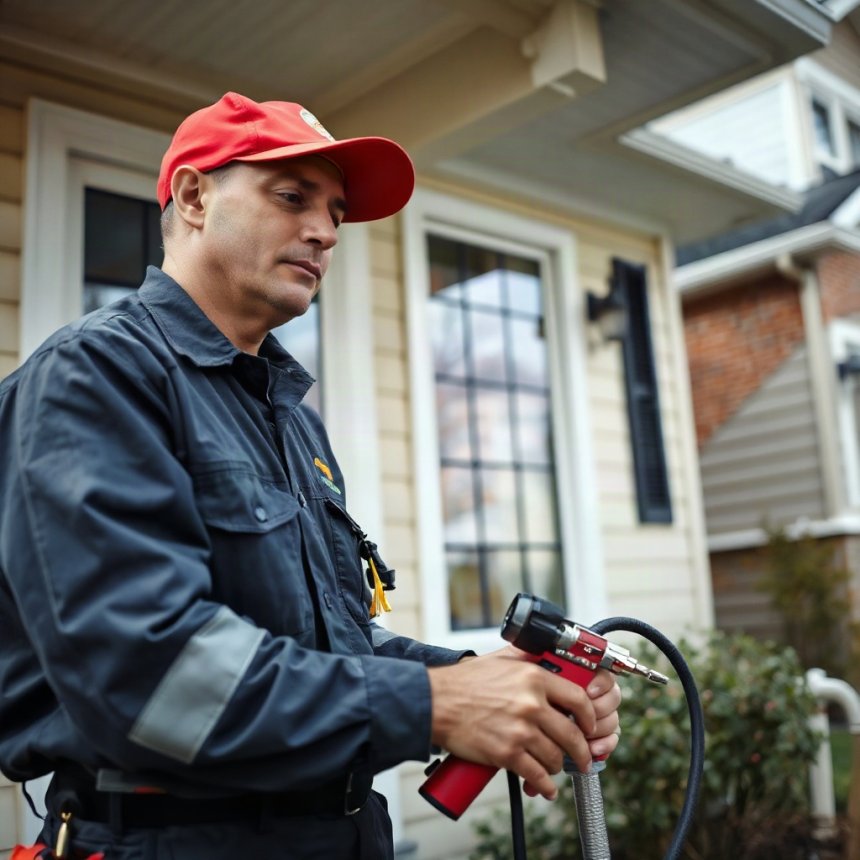
Navigating Water Pressure Issues in New Orleans Historic Properties
Stepping inside a historic New Orleans home—whether it is a classic Creole cottage in the Marigny, a center-hall raised home in Uptown, or a historic double-shotgun in Mid-City—comes with incredible architectural charm. However, maintaining the infrastructure of these centuries-old buildings presents distinct challenges. One of the most common complaints local property owners bring to a trusted New Orleans plumber is a sudden or gradual drop in water flow.
When you turn on your shower or kitchen faucet and get a disappointing trickle instead of a steady stream, it can disrupt your daily routine. Because older properties feature unique plumbing configurations, diagnosing low water pressure requires understanding both local municipal supply conditions and the aging materials hidden behind historic plaster and lath.
Age-Related Internal Corrosion in Galvanized Steel Pipes
Many older residences in the area still harbor portions of their original plumbing systems. If your home has not undergone a complete repiping project in recent decades, you may have galvanized steel supply lines.
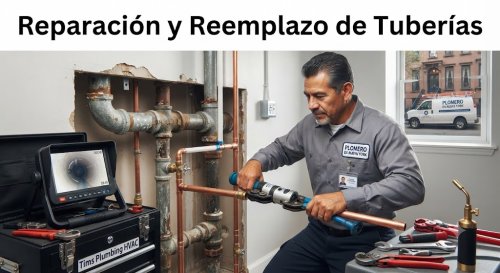
Over many years of service, mineral deposits and rust accumulate on the inner walls of galvanized pipes. This corrosive buildup severely constricts the interior diameter of the pipe, choking off the volume of water that can pass through. When multiple fixtures are running simultaneously, the bottleneck effect becomes painfully obvious. Replacing these aging metallic arteries with modern copper or PEX piping is often the most permanent solution for restoring robust water pressure throughout the house.
Accumulated Sediment and Mineral Buildup in Fixtures
Not all pressure issues stem from deep inside the walls. Sometimes, the restriction happens right at the point of use. Municipal water supplies carry trace minerals, and over time, these particles collect inside aerators, showerheads, and mixing valves.
In New Orleans, hard water minerals can quickly clog the fine mesh screens of bathroom and kitchen faucets. If you notice that only one specific sink or shower suffers from poor flow while the rest of the house functions normally, unscrewing and cleaning the aerator is a great first diagnostic step. Soaking these components in a mild descaling solution often dissolves the trapped debris and instantly restores a strong stream.
Faulty or Corroded Pressure Reducing Valves (PRVs)
Municipal water mains deliver water to neighborhoods at high pressures to ensure it reaches multi-story buildings and distant hydrants. To protect residential fixtures from bursting, most properties utilize a Pressure Reducing Valve (PRV) where the main water line enters the structure.
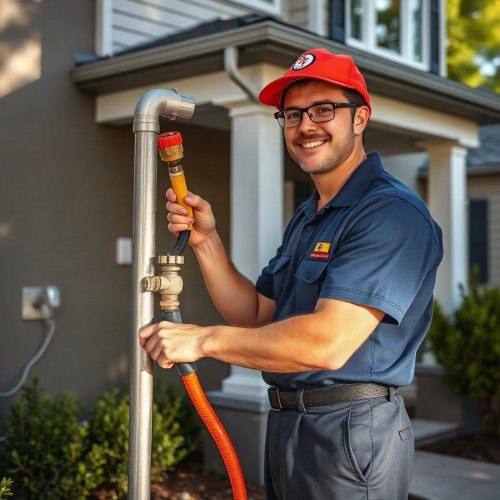
When a PRV fails due to age or internal spring fatigue, it typically gets stuck in a closed or partially restricted position. This mechanical failure cuts down the pressure entering your home uniformly across all fixtures. A licensed plumbing professional can attach a pressure gauge to an outdoor spigot to test the incoming municipal pressure against your home's internal delivery pressure, determining whether the PRV needs adjustment or complete replacement.
Hidden Leaks in Aging Supply Lines
A hidden water leak can also manifest as a drop in water pressure. If a pressurized supply line cracks beneath the floorboards, behind a wall, or in the yard, water escapes before it can reach your fixtures. This loss of volume reduces the overall pressure within the system.
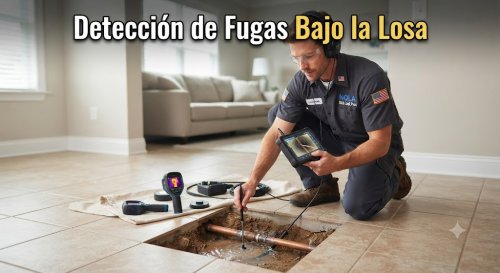
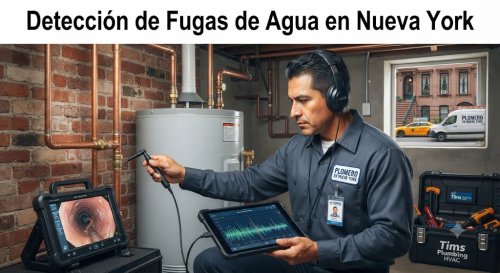
Detecting these concealed leaks requires specialized equipment, such as acoustic listening devices and thermal imaging cameras. Prompt leak detection and targeted pipe repair are crucial to prevent structural damage and water waste, especially in historic New Orleans homes where pier-and-beam foundations or slab foundations are common.
When to Call a Professional New Orleans Plumber
While cleaning a clogged faucet aerator is a simple DIY task, persistent or sudden drops in water pressure usually point to deeper infrastructure concerns. Attempting to force high pressure through corroded pipes or tampering with main supply valves can lead to catastrophic pipe failures. Enlisting an experienced residential plumber ensures that your historic property's plumbing system is accurately evaluated, protected, and brought up to modern operational standards without compromising its historical integrity.