Common Causes of Water Leaks in Historic New Orleans Homes
Discover the most frequent reasons water leaks occur in historic New Orleans homes, from shifting soils to aging galvanized pipes, and how to protect your property.


Understanding Water Leaks in New Orleans Historic Properties
Owning a historic home in neighborhoods like the French Quarter, the Garden District, or Faubourg Marigny comes with undeniable architectural charm. However, these older properties also present unique plumbing challenges. Because many homes in the area date back a century or more, their original plumbing systems have endured decades of wear, shifting foundations, and a high water table. Recognizing the common causes of water leaks in historic New Orleans homes is the first step in protecting your investment from costly structural and water damage.
Aging Galvanized Steel and Cast Iron Piping
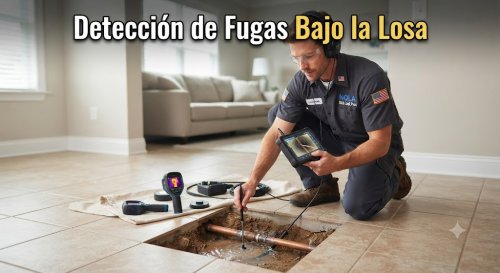
One of the primary culprits behind persistent water leaks in older New Orleans houses is the presence of aging original piping materials. Many historic residences were originally built with galvanized steel supply lines or cast iron drain lines. Over many decades, galvanized pipes corrode from the inside out, severely restricting water flow and eventually developing pinhole leaks or major ruptures behind walls and beneath floors.
Similarly, older cast iron waste lines underground or beneath raised foundations can rust, crack, or separate at the joints. When these pipes fail, they often lead to hidden slab leaks or slow, chronic moisture issues that attract pests and cause wood rot in the historic framing.
Foundation Movement and Delta Soil Pressures
New Orleans sits on a complex delta with heavy clay and silt soils that are notoriously saturated. The city's wet climate and frequent heavy rains cause the ground to expand and contract dramatically throughout the year. This constant shifting puts immense stress on home foundations and the rigid plumbing lines running through or beneath them.
As piers settle or slab foundations shift slightly, rigid supply pipes and sewer connections can pull apart, shear, or develop micro-fractures. In raised historic homes, movement can strain supply lines entering the subfloor, resulting in joint failures and sudden leaks that may go unnoticed until water stains appear on plaster ceilings or hardwood floors.
High Water Pressure and Outdated Fixtures
Municipal water pressure supplied to certain parts of the city can fluctuate or run higher than what older plumbing networks were designed to handle. Historic fixtures, soldered joints, and antique valves are often ill-equipped to withstand continuous high pressure. Over time, high pressure weakens older pipe connections, leading to sudden failures in supply lines, faucet stems, and shut-off valves.
Tree Root Infiltration in Older Sewer and Water Lines
New Orleans is famous for its majestic live oaks and mature urban canopy. While these trees add beauty to residential streets, their root systems aggressively seek out moisture. Historic clay sewer lines and older water supply pipes frequently feature minor cracks or porous joints that leak trace amounts of water into the surrounding soil. Tree roots quickly target these weak points, forcing their way inside, expanding the cracks, and causing major blockages or structural pipe collapses.
Preventative Leak Detection Strategies for Older Homes
Given the vulnerabilities inherent in historic New Orleans real estate, proactive monitoring is essential. Property owners should periodically inspect visible piping in crawlspaces, basements, or utility areas for signs of corrosion, dampness, or mineral buildup. Keeping an eye on unexplained spikes in your water bill can also alert you to hidden underground leaks before they cause catastrophic damage to historic plasterwork or heart-pine flooring.
Conclusion
Historic New Orleans homes require a specialized understanding of older infrastructure and local environmental conditions. By identifying the root causes of water leaks—such as aging pipes, shifting soils, and high water pressure—homeowners can address minor vulnerabilities before they escalate into major emergencies. Regular inspections and timely repairs ensure that these architectural treasures remain structurally sound and dry for generations to come.