Common Causes of Water Leaks in Historic New Orleans Homes
Discover the most frequent water leak culprits in historic New Orleans homes, from aging pipe materials to shifting soils, and learn how to protect your property.

Understanding Water Leaks in New Orleans Historic Properties
Owning a historic home in neighborhoods like the French Quarter, the Garden District, or Faubourg Marigny offers unmatched architectural charm. However, these stunning properties often come with aging plumbing systems that present unique challenges. Because many older houses in the area have undergone multiple renovations over a century or more, their hidden pipe networks can be a complex puzzle of legacy materials and modern retrofits.
Property owners frequently face unexpected moisture issues due to environmental factors and the natural aging of infrastructure. Identifying the root causes of water leaks early can prevent severe structural damage, wood rot, and mold growth, which are prevalent threats in the humid climate of Southeast Louisiana.
Aging and Corroded Pipe Materials
One of the primary triggers for water leaks in older New Orleans houses is the presence of outdated plumbing materials. Depending on when a property was built or last extensively renovated, the supply lines or drain pipes might consist of materials that have reached the end of their operational lifespan.
Galvanized Steel and Cast Iron
Many mid-20th-century and older homes were built using galvanized steel supply pipes. Over decades of exposure to mineral-rich water, these pipes corrode from the inside out, gradually narrowing the interior diameter and creating weak spots prone to pinhole leaks. Similarly, older drain and sewer stacks often feature cast iron. While durable, cast iron eventually rusts and cracks, leading to slow leaks beneath floorboards or inside walls.
Polybutylene and Early Plastics
In homes renovated during the late 20th century, flexible polybutylene pipes were sometimes installed. These gray plastic pipes are notoriously vulnerable to chemical reactions with municipal water additives, causing them to become brittle and rupture unexpectedly. Professional leak detection in New Orleans often uncovers failing legacy lines hidden behind lath-and-plaster walls.
Foundation Movement and Delta Soils
New Orleans sits on a high water table with soft, shifting alluvial soils. Many historic homes are raised on brick piers, while others sit on older slab foundations or grade beams that settle unevenly over time. This continuous micro-movement puts tremendous stress on rigid plumbing lines that enter or run beneath the structure.
When the ground shifts, rigid copper or cast iron pipes can shear, crack, or pull away from joint fittings. Undetected under-slab leaks or breaks in supply lines beneath a raised cottage can cause soil erosion, foundation destabilization, and unexpected spikes in your municipal water bill.
High Water Pressure and Thermal Expansion
Municipal water pressure supplied to various parts of the city can fluctuate. When pressure entering a home exceeds recommended limits (typically 50 to 80 psi), it places continuous strain on aging joints, valves, and older fixture connections. Historic plumbing networks, designed for lower baseline pressures of decades past, are especially susceptible to failing under high-pressure stress. Coupled with thermal expansion from water heaters, these pressure spikes frequently manifest as sudden joint leaks or weeping shutoff valves.
Subtle Warning Signs of Hidden Leaks
Because historic homes feature thick plaster walls, hardwood floors, and intricate millwork, water leaks can remain hidden for weeks before becoming obvious. Property owners should watch for specific indicators:
- Unexplained increases in monthly water utility bills.
- Musty or damp odors, particularly in enclosed closets, beneath raised foundations, or near baseboards.
- Discolored, buckling, or peeling paint and wallpaper.
- Warmer-than-normal spots on wooden or tile floors, indicating a potential hot water line leak underneath.
- Low water pressure at specific faucets or showers.
Proactive Maintenance for Older Plumbing Systems
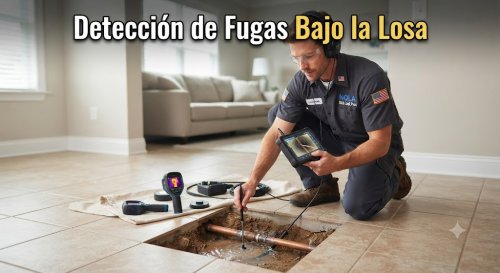
Protecting a historic property requires a proactive approach to plumbing health. Rather than waiting for a catastrophic pipe failure, schedule periodic professional inspections. Modern non-invasive diagnostic tools, such as acoustic listening devices and thermal imaging cameras, allow specialists to locate hidden moisture and failing lines behind antique finishes without tearing up historic plaster or flooring.
Additionally, familiarizing yourself and your tenants with the location of the main water shutoff valve is critical. In an emergency, quickly stopping the flow of water can limit the scope of damage to your home's irreplaceable interior features.
Frequently Asked Questions
Why are hidden water leaks so common in New Orleans historic homes?
Historic homes often contain a patchwork of older pipe materials like galvanized steel or aging cast iron. Combined with shifting Delta soils and high humidity, these aging systems are much more prone to joint fatigue, corrosion, and sudden ruptures.
How can I tell if I have a leak beneath my raised historic home?
Look for damp soil or pooling water around the piers beneath your house, listen for the sound of running water when all fixtures are turned off, and monitor your water meter for continuous movement.
Should I replace all the plumbing in a historic home at once?
Total repiping is rarely necessary unless the system has completely failed. A targeted inspection by a knowledgeable local plumber can identify high-risk sections of pipe that require updating while preserving as much of the original plumbing layout as possible.