Why Is Your Water Pressure Low? Causes in Older New Orleans Homes
Discover why older homes in New Orleans experience low water pressure, from corroded galvanized pipes to municipal supply issues and sediment buildup.
Living in a historic home in neighborhoods like the Garden District, Faubourg Marigny, or Uptown New Orleans offers unmatched architectural charm. However, these older properties often come with aging infrastructure that can cause daily frustrations, most notably low water pressure. When your morning shower feels like a gentle drizzle or your washing machine takes forever to fill, it is usually a sign that your plumbing system is struggling to deliver adequate flow.
As a professional plumber working across the New Orleans area for decades, I frequently get called out to diagnose why historic properties lose their water force. Understanding what causes these pressure drops can help you determine whether the issue is a simple fix or requires professional plumbing repair.
1. Corroded Galvanized Steel Pipes
One of the most common culprits behind low water pressure in older New Orleans houses is the presence of galvanized steel supply lines. Many homes built before the mid-20th century were originally plumbed with galvanized pipes. Over decades of exposure to mineral-rich water, the zinc coating inside these pipes erodes, leading to heavy internal rust buildup and mineral scaling.
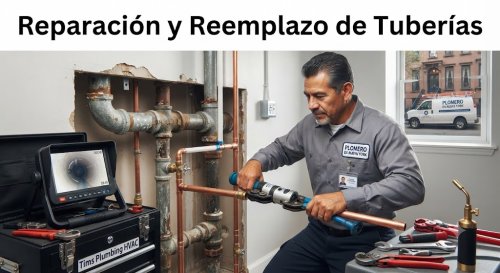
As rust accumulates, the interior diameter of the pipe shrinks drastically, choking off the volume of water that can pass through. If your home still has original galvanized piping, a localized repair usually will not solve the issue. Whole-house repiping with modern PEX or copper materials is often the only permanent solution to restore full water pressure.
2. Mineral Buildup and Sediment in Fixtures
Sometimes the loss of water pressure is localized to a single sink, showerhead, or bathtub faucet rather than the entire house. New Orleans municipal water carries normal mineral content that can gradually form calcium and lime deposits inside faucet aerators and shower nozzles.
If only one fixture is affected, unscrewing the aerator tip from the faucet spout or soaking your showerhead in a mild vinegar solution can often clear away the blockage and immediately restore normal flow without requiring tools or a service call.
3. Faulty Pressure Reducing Valves (PRV)
Many modern and retrofitted homes feature a Pressure Reducing Valve installed where the main water line enters the property. This device regulates the incoming pressure from the municipal supply to protect your indoor plumbing fixtures from high-pressure surges.
When a PRV fails—often due to internal spring fatigue or sediment jamming the diaphragm—it can get stuck in a restricted position, drastically lowering the water pressure throughout the entire house. A licensed plumber can test your PRV using a pressure gauge and replace the valve if it has failed.
4. Municipal Supply Fluctuations and Aging Infrastructure
New Orleans has a complex and aging municipal water distribution network managed by the Sewerage and Water Board of New Orleans (SWBNO). Periodic maintenance, water main breaks, or high neighborhood demand during peak morning hours can cause temporary pressure drops across entire city blocks.
If your neighbors are experiencing the exact same sudden drop in water pressure, the issue likely originates from the street side rather than your private home plumbing. Checking with neighbors or monitoring local utility alerts can help determine if the city system is undergoing repairs.
5. Hidden Water Leaks
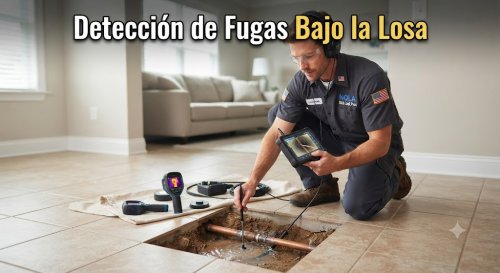
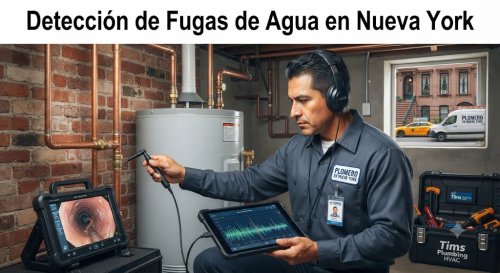
A sudden or progressive drop in water pressure can sometimes indicate a hidden leak somewhere in your plumbing system. If a pipe has cracked beneath your raised New Orleans home or behind a wall, water is escaping before it reaches your faucets, resulting in decreased pressure and flow.
To check for a hidden leak, look at your water meter when no water is running inside the house. If the leak indicator dial is moving, you likely have a compromised pipe requiring professional leak detection and pipe repair services.
Next Steps for Restoring Your Water Pressure
Dealing with persistent low water pressure can be frustrating, but diagnosing the root cause is the first step toward a lasting solution. While cleaning a clogged aerator is a great DIY task, systemic pressure issues related to old galvanized piping, faulty valves, or hidden leaks require specialized tools and professional expertise. If you have exhausted basic troubleshooting steps in your New Orleans home, consulting a qualified local plumber can help get your water flowing strongly again.