Why Your Water Heater Pilot Light Keeps Going Out in New Orleans
Discover the common causes behind water heater pilot light outages in New Orleans homes and learn when to troubleshoot or call a local plumber.
Understanding Water Heater Pilot Light Outages in New Orleans
Dealing with a sudden lack of hot water is frustrating, and often the culprit is as simple—and aggravating—as a pilot light that refuses to stay lit. In New Orleans homes, atmospheric storage tank water heaters are common in attics, garages, and utility closets. When the small blue flame that ignites the main burner repeatedly extinguishes, it points to a specific mechanical, environmental, or supply-related issue that requires attention.
As an experienced plumber working across the local area, I frequently encounter homeowners scratching their heads over a pilot light that goes out hours after being relit. Understanding the underlying mechanisms can help you identify whether you are dealing with a routine maintenance fix or a situation that calls for professional assistance from a qualified New Orleans plumber.
The Role of the Thermocouple
The most frequent mechanical reason a pilot light fails to stay lit is a malfunctioning thermocouple. This safety device is a copper probe positioned directly in the path of the pilot flame. Its job is to generate a tiny electrical current when heated, which signals the gas valve to stay open.
Signs of a Failing Thermocouple
- The pilot lights successfully while holding down the reset button, but goes out the moment you release it.
- The thermocouple tip looks heavily corroded, blackened, or physically damaged.
- The connection point at the gas control valve is loose or dirty.
Over time, thermocouples simply wear out due to continuous exposure to high heat. Additionally, high humidity levels found in local weather can accelerate oxidation on the metal contacts, weakening the electrical signal needed to keep the gas valve open.
Drafts and Environmental Factors
The pilot flame is sensitive to its surroundings. If your water heater is installed in a drafty garage, an open carport area, or near a frequently opened exterior door in a historic home, air currents can easily blow out the small flame.
Furthermore, atmospheric conditions unique to our region—such as heavy seasonal storms causing rapid pressure shifts or high moisture levels—can occasionally affect draft patterns through the water heater's combustion chamber and flue pipe. Ensuring the surrounding area is free from excessive clutter and heavy drafts is a crucial step in maintaining a steady flame.
Gas Supply Interruptions and Pressure Issues
A consistent flow of natural gas or propane is mandatory to keep the pilot burning. If there is a minor fluctuation in gas pressure or a temporary interruption in the utility line, the flame will extinguish.
Other Fuel-Related Concerns
- Dirty Pilot Orifice: Dust, spider webs, or soot can clog the tiny opening where gas feeds the pilot light, resulting in a weak, unstable flame that fails to adequately heat the thermocouple.
- Faulty Gas Control Valve: Sometimes the internal components of the gas control valve fail, meaning that even if the thermocouple is functional, the valve refuses to stay open.
Combustion Air Intake and Venting Problems
Modern water heaters feature safety systems designed to shut down if combustion air is restricted or if exhaust gases are not venting properly. If dust, lint, or debris accumulates around the base of the water heater—particularly near the flame arrestor plate—the burner will be starved of clean oxygen.
When a water heater lacks proper combustion air, the flame behavior changes, often triggering safety shutoffs that extinguish both the main burner and the pilot light to prevent hazardous conditions.
When to Call a Professional Plumber
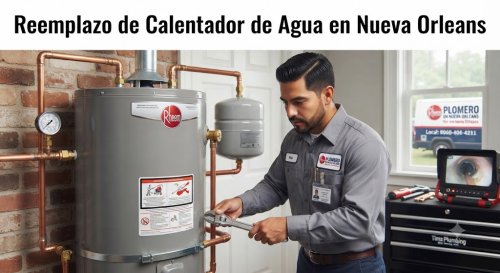
Attempting to relight a pilot light is usually safe if you carefully follow the manufacturer’s instructions printed on the side of the tank. However, you should exercise caution and contact a professional plumbing service in New Orleans if:
- You smell a persistent odor of gas near the unit.
- The pilot light repeatedly goes out even after replacing the thermocouple and cleaning the burner assembly.
- You notice rust perforation, water leaks around the base, or internal tank damage.
- The gas control valve appears physically damaged or fails to respond normally during operation.
Attempting unauthorized repairs on gas control valves or venting systems can lead to severe safety hazards. Ensuring your water heater operates safely and reliably gives you peace of mind and dependable hot water year-round.