Common Causes of Low Water Pressure in Older New Orleans Homes
Discover why older homes in New Orleans experience low water pressure, from galvanized pipe corrosion to municipal supply factors, and learn how local plumbers diagnose and resolve these issues.

Understanding Low Water Pressure in Historic New Orleans Properties
Walking through neighborhoods like the French Quarter, Faubourg Marigny, or Uptown reveals the architectural beauty of historic New Orleans homes. However, charming historic construction often comes with aging infrastructure. Many property owners notice a frustrating drop in shower spray or a sluggish kitchen faucet over time. Investigating low water pressure in these older houses requires looking past the surface fixtures to understand how decades of use, local water conditions, and aging materials impact flow.
1. Galvanized Steel Pipe Internal Corrosion
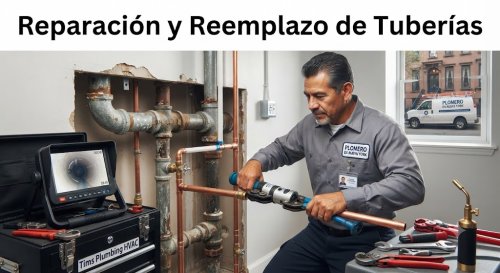
One of the most frequent culprits behind restricted water flow in properties built before the mid-20th century is the presence of galvanized steel supply lines. Over decades of service, minerals and chemical reactions cause rust and mineral scale to accumulate along the interior walls of these pipes. As the buildup thickens, the internal diameter of the pipe shrinks drastically, choking the volume of water that can reach your fixtures. A licensed plumber in New Orleans frequently encounters this issue when updating heritage properties, often recommending repiping with modern PEX or copper materials to restore full pressure.
2. Mineral Buildup and Sediment in Fixtures
Water supplied across the region carries minerals that can gradually deposit inside aerators, showerheads, and cartridge valves. In older homes, these small blockages can make it seem like the entire house has low pressure when the issue is actually localized to specific outlets. Unscrewing a kitchen sink aerator to find it packed with tiny particles is a common scenario. Routine cleaning or replacement of these small components is a straightforward maintenance task that can instantly improve water delivery at the tap.
3. Partially Closed Main Shutoff Valves
Sometimes the root cause of diminished flow is mechanical rather than structural. Older gate valves used as main water shutoffs can slip, become misaligned, or fail internally over time. If a main shutoff valve or a meter valve is even partially restricted, it throttles the volume entering the home's plumbing network. Checking the position of the main valve is an essential early diagnostic step for any residential plumbing inspection.
4. Aging Pressure Reducing Valves (PRVs)
Many modern and retrofitted properties rely on a pressure reducing valve to protect interior plumbing from high municipal supply spikes. When these valves age, their internal springs weaken or seals bind up. Instead of regulating pressure properly, a failing PRV can become stuck in a restricted position, severely dropping water pressure throughout the entire household. Adjusting or replacing an old, worn-out PRV usually resolves the restriction immediately.
5. Municipal Supply and Local Infrastructure Influences
Not all pressure drops originate inside the property boundary. The municipal water grid managed by the Sewerage and Water Board of New Orleans feeds a vast network of aging underground mains. High demand periods, neighborhood pipe maintenance, or localized infrastructure stress can temporarily affect water delivery pressure to specific blocks. If neighboring properties experience the same sudden drop, coordinating with local utility services helps determine if the issue stems from the public supply line rather than private plumbing.
Diagnostic Approaches and Professional Solutions
Pinpointing the exact reason behind weak water flow involves systematic testing:
- Isolating individual fixtures to check if the issue is single-room or whole-house.
- Measuring dynamic and static water pressure using a gauge attached to an outdoor hose bib.
- Inspecting accessible basement, crawlspace, or attic supply lines for signs of heavy corrosion or hidden leaks.
When minor fixes like clearing aerators or adjusting valves do not suffice, targeted pipe repair or whole-home repiping is often the most permanent solution for aging New Orleans real estate. Restoring adequate flow not only improves daily convenience but also protects modern appliances like washing machines and water heaters that depend on proper intake volume.