Common Causes of Low Water Pressure in New Orleans Historic Homes
Discover why historic New Orleans homes suffer from low water pressure, from aging galvanized pipes to mineral buildup, and how local plumbers diagnose the issue.
Understanding Low Water Pressure in New Orleans Architecture
Stepping into a historic New Orleans home—whether a classic Creole cottage in Faubourg Marigny or a grand Victorian in the Garden District—offers a genuine connection to the city's architectural past. However, these architectural treasures often come with antiquated plumbing systems. When you turn on a shower or kitchen faucet and experience a weak, frustrating trickle, you are encountering a very common issue for local property owners: low water pressure.
As an experienced plumber working throughout Louisiana, I frequently help residents trace the source of poor water flow. Because historic properties have undergone decades of renovations, plumbing upgrades, and exposure to local environmental factors, diagnosing low water pressure requires looking closely at how older infrastructure interacts with modern demands.
1. Aging Galvanized Steel Pipes and Internal Corrosion
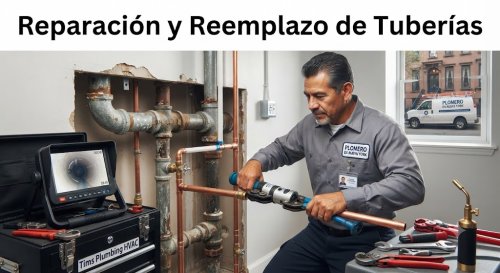
The single most frequent culprit behind low water pressure in older New Orleans properties is the presence of legacy galvanized steel supply lines. In decades past, galvanized steel was the standard material for residential water distribution. Over many years of service, these pipes react with minerals and oxygen, leading to severe internal rust accumulation.
- Narrowed Pathways: As rust builds up inside the pipe walls, the interior diameter shrinks drastically, choking off the volume of water that can pass through.
- Uneven Pressure: You might notice good pressure for a few seconds when you first open a faucet, only for it to drop significantly as the restricted pipe struggles to sustain a steady flow.
- Discolored Water: Corrosion frequently introduces a rusty brown tint to the water, especially after the system has sat unused overnight.
2. Mineral Buildup and Hard Water Scale
While New Orleans municipal water undergoes rigorous treatment, older fixtures, shut-off valves, and supply lines can still accumulate mineral scale over time. Furthermore, if a historic home utilizes older water filtration units or tank-style water heaters that have not been flushed regularly, sediment can travel through the lines and lodge in aerators and mixing valves.
Check your sink aerators first. Unscrew the small mesh screen at the tip of your bathroom or kitchen faucet. In many cases, trapped sediment and mineral flakes are the sole reason for a weak stream, and a simple cleaning restores full performance.
3. Hidden Leaks in Aging Supply Lines
New Orleans is built on saturated, shifting delta soils. The continuous settling of the ground puts immense stress on underground and in-wall plumbing lines. If your water pressure drops suddenly rather than gradually over years, you may be dealing with a hidden water leak.
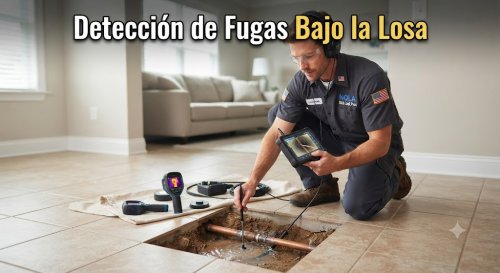
A compromised service line running from the street meter into the house, or a slow pinhole leak beneath a pier-and-beam foundation, diverts water before it reaches your fixtures. Property owners should monitor their water meters when all indoor and outdoor taps are closed. If the leak indicator dial is spinning, a professional water leak repair evaluation is necessary to protect the property's structural integrity.
4. Faulty Pressure Reducing Valves (PRVs)
Many modern and retrofitted homes feature a Pressure Reducing Valve designed to protect internal fixtures from high municipal water mains pressure. When a PRV fails—often due to internal spring fatigue or sediment clogging—it can swing to the opposite extreme, locking down and severely restricting water flow to the entire house.
Restoring Reliable Water Flow to Your Property
Resolving low water pressure in a historic setting is rarely a one-size-fits-all fix. Targeted interventions, ranging from localized pipe replacement to a whole-house repiping project utilizing modern PEX or copper materials, can safely modernize your plumbing while preserving the character of your home. If you are tired of weak showers and sluggish faucets, consulting a qualified local professional ensures the root cause is accurately diagnosed and permanently resolved.
Frequently Asked Questions
Why is my water pressure low only on the second floor?
Gravity naturally reduces water pressure as it travels upward. In historic homes with multi-story layouts, undersized supply risers or partial pipe blockages become much more noticeable on upper floors, where the system has to work harder to push water against gravity.
Are galvanized pipes a hazard to water quality?
Beyond causing low water pressure, heavily corroded galvanized pipes can flake rust into your drinking water and eventually develop catastrophic leaks. Replacing them with modern piping materials is a standard upgrade for older New Orleans renovations.
How can I tell if my low water pressure is a city issue or a house issue?
Check multiple faucets and outdoor hose bibs. If every fixture in the house has weak pressure, the issue likely originates at the main service line, the meter, or a malfunctioning PRV. If only one faucet is affected, the problem is localized to that specific fixture or supply line.