Common Causes of Low Water Pressure in Older New Orleans Homes
Discover why older New Orleans homes suffer from low water pressure. Learn about mineral buildup, corroded galvanized pipes, and local plumbing factors.


Understanding Low Water Pressure in Historic New Orleans Properties
Stepping into a historic home in neighborhoods like the French Quarter, Faubourg Marigny, or Uptown offers a deep connection to local architecture and charm. However, these older properties often come with aging plumbing systems that present unique challenges. One of the most frequent complaints from homeowners in these classic structures is frustratingly low water pressure. When your morning shower trickles instead of streams, or filling a kitchen pot takes an eternity, it is usually a sign that your plumbing system is struggling against time, local water conditions, and material wear.
As an experienced plumber working across the area, evaluating water flow issues in older infrastructure requires understanding how past building methods interact with modern demands. Unlike newer suburban constructions, historic New Orleans homes have evolved through decades—and sometimes centuries—of patchwork repairs, material upgrades, and environmental exposure.
Primary Culprits Behind Reduced Water Flow
Low water pressure rarely happens without a reason. In older properties, several distinct mechanical and material failures typically account for the drop in performance.
Corroded Galvanized Steel Pipes
Many homes built before the mid-20th century relied heavily on galvanized steel supply lines. Over decades of exposure to water, the zinc coating on the interior of these pipes degrades, leading to rust and mineral scale accumulation. This internal corrosion progressively narrows the inner diameter of the pipe. Imagine a cholesterol-clogged artery; water simply cannot flow through at the volume and velocity it once did. When multiple fixtures are opened simultaneously throughout the house, the pressure drops drastically.
Mineral Scale and Sediment Buildup
While the municipal water supply is treated, mineral content can still precipitate inside older plumbing lines and fixtures over time. Aerators on kitchen and bathroom faucets frequently catch fine sediment, calcium, and mineral flakes. Over time, these screens become completely blocked, choking off the stream at the very end of the line. Similarly, older water heaters can accumulate heavy sediment layers at the bottom of the tank, restricting the outflow of hot water into your home's distribution network.
Hidden Leaks in Aging Infrastructure
Older pipes—whether threaded steel, early copper, or even forgotten polybutylene lines—are prone to pinhole leaks, joint failures, and structural fatigue. When a pipe develops a slow underground leak or a weeping joint beneath a raised historic home, the overall volume of water escaping reduces the pressure available at your active fixtures. If your water meter continues to spin when every tap in the house is firmly shut, a hidden leak is a prime suspect.
Diagnosing the Source of the Problem
Before attempting any repairs, it helps to narrow down whether the issue is isolated to a single fixture or affecting the entire house.
- Fixture-Specific Check: If only one bathroom sink or shower has poor pressure, unscrew the aerator or inspect the supply line shut-off valve. Often, clearing local debris solves localized issues.
- Whole-House Check: If every faucet, shower, and hose bib across the property suffers from weak flow, the issue lies further upstream at the main water supply line, the main pressure regulator, or within the primary home distribution piping.
Checking the main water shut-off valve is also vital. In older basements, crawlspaces, or utility closets, these valves can accidentally get bumped or partially closed during maintenance, restricting the volume of incoming city water.
Modern Solutions for Vintage Plumbing Challenges
Restoring proper water flow in a historic property often requires targeted interventions rather than temporary quick fixes.
Targeted Repiping
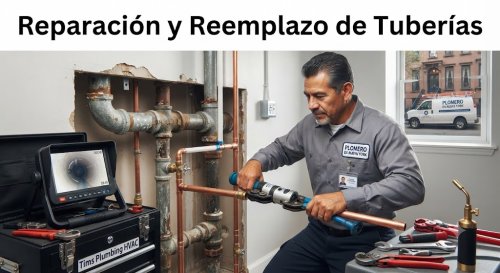
When galvanized steel pipes have deteriorated beyond the point of clearing, partial or whole-house repiping using modern materials like PEX or durable copper is the most effective long-term solution. Modern piping materials provide smooth interior walls that resist scale buildup and deliver reliable water pressure.
Pressure Regulator Adjustment or Replacement
Many New Orleans homes feature a pressure-reducing valve (PRV) where the municipal supply line enters the property. When these mechanical regulators fail due to age or mineral fouling, they can lock up and severely restrict water pressure. Replacing a worn PRV instantly restores balanced flow throughout the entire structure.
Maintaining Optimal Flow in Your Home
Preventing progressive pressure loss involves proactive care of your plumbing network. Regularly cleaning faucet aerators, flushing your water heater annually to eliminate sediment, and scheduling periodic inspections of your visible supply lines help catch minor restrictions before they turn into major disruptions. Keeping your vintage plumbing system well-maintained ensures your historic property remains comfortable and efficient for years to come.