Emergency Plumber Carrollton: No Water Fix
Home has no water in Carrollton, New Orleans? Discover causes, troubleshooting tips, and when to call an emergency plumber for fast relief.
Introduction to Emergency Plumbing in Carrollton
Waking up to find that your home has completely lost water supply is an absolute disruption. Residents across the historic Carrollton neighborhood in New Orleans—as well as nearby areas like Uptown, Gertilly, and the Central Business District—rely on a steady flow of water for daily sanitation, cooking, and heating. When every faucet runs dry, immediate attention is vital to rule out municipal failures or resolve private property supply line breaks. Homeowners frequently search for guidance on this urgent issue because a sudden loss of water halts everyday life and can indicate a major pipe failure. Knowing what steps to take before calling Plumber in New Orleans helps protect your property from further complications.
What Is a Total Loss of Water?
A total loss of water happens when water fails to reach any plumbing fixture within your home or business property.
-
Definition: A complete interruption of water flow through your interior distribution system, rendering all taps, showers, and toilets dry.
-
Common Situations: You turn on the kitchen sink or shower handle, and nothing comes out, or you hear a strange hissing sound with zero output.
-
Symptoms: Zero water discharge across all bathrooms and kitchens, sudden sputtering from faucets right before stopping completely, and dry meter boxes.
-
Examples: A Carrollton homeowner tries to brew morning coffee, but the kitchen faucet yields nothing, while neighbors across the street report normal water service.
Why Does This Plumbing Problem Happen?
A sudden water outage can stem from issues ranging from municipal main failures to private plumbing malfunctions on your property.
-
Main Water Line Breaks: Shifting soils in New Orleans or heavy traffic vibrations can fracture the underground service line connecting your home to the municipal water main.
-
Closed Main Shut-Off Valves: Accidental bumps or recent plumbing work can leave the main property supply valve partially or fully closed.
-
Severe Pipe Corrosion and Scaling: Older galvanized or cast-iron pipes can become completely choked internally with mineral scale and rust buildup.
-
Frozen Pipes: Although rare in Louisiana, sudden winter freezes can ice over exposed exterior supply lines and hose bibs, cutting off interior flow.
-
Pressure Regulator Failures: A malfunctioning pressure reducing valve (PRV) can snap shut internally, completely blocking water from entering the home distribution network.
Signs You Should Never Ignore
-
Sudden Pressure Drops: Gradual or abrupt decreases in water pressure often precede a complete rupture in your supply lines.
-
Soggy Yard Spots: A localized, marshy area in your yard during dry weather frequently signals a leaking underground main water line.
-
Unusual Banging Sounds: Water hammer or violent shuddering in your pipes when turning off taps points to air locks or failing regulators.
-
Discolored Water Surges: Rust or sediment shooting out of faucets right before pressure dies indicates failing internal pipe walls.
-
Unusually High Water Bills: A hidden underground leak will cause your municipal utility consumption numbers to skyrocket unexpectedly.
Common Plumbing Problems Related to This Issue
-
Pipe Leaks: High pressure or failing joints frequently accompany main supply line failures.
-
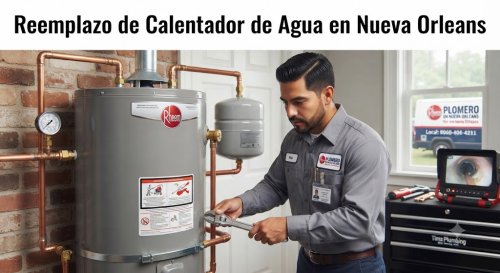
Water Heater Failures: Tank water heaters can suffer dry-firing damage if the water supply cuts off while they are actively heating.
-
Faulty Pressure Regulators: Defective PRVs disrupt the entire property's hydraulic balance.
-
Fixture Damage: Sediment dislodgement can ruin faucet cartridges and appliance inlet valves.
Step-by-Step Professional Repair Process
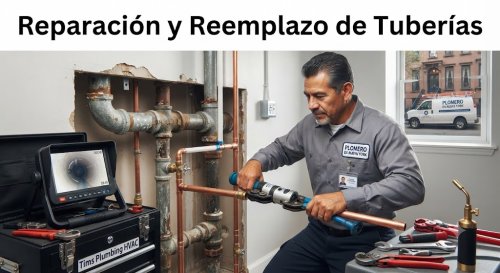
When you call a licensed professional to resolve a water outage, a systematic approach ensures safety and restoration of service.
-
Step 1: Inspection: The technician inspects your property's main water meter and primary shut-off valve to determine if the issue is municipal or private.
-
Step 2: Diagnosis: Using electronic line locators and pressure testing gauges, the plumber isolates where the restriction or break occurs.
-
Step 3: Estimate: You receive a clear, upfront explanation of the required repairs and transparent costs before work commences.
-
Step 4: Repair: The plumber replaces damaged PRVs, clears interior blockages, or repairs broken underground service lines.
-
Step 5: Testing: Water supply is restored slowly to purge trapped air and verify that all fixtures operate at proper pressure.
-
Step 6: Cleanup: The work area is restored, and excavated soil or debris is cleared from your property.
-
Step 7: Maintenance Advice: The technician provides guidance on protecting your supply lines from future failures.
Can You Fix It Yourself?
-
Safe DIY Solutions: Check with your local municipal water board to confirm whether there is an active neighborhood-wide utility outage in Carrollton.
-
What Homeowners Can Safely Do: Verify that your main water meter valve and indoor house shut-off valves are fully open.
-
When DIY Becomes Dangerous: Attempting to excavate underground service lines without utility locating services risks striking gas or electrical lines.
-
When Professional Plumbing is Necessary: Any break in the underground main line or internal pressure regulator failure requires licensed plumbing expertise and specialized tools.
Tools Professionals Use
-
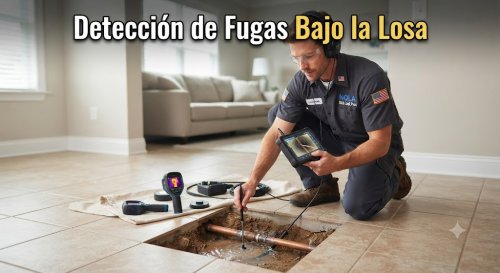
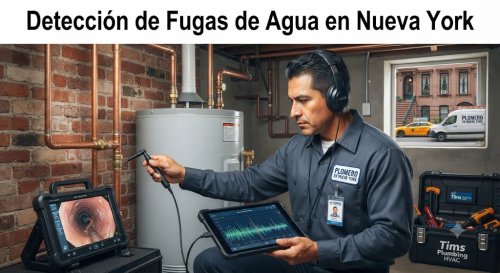
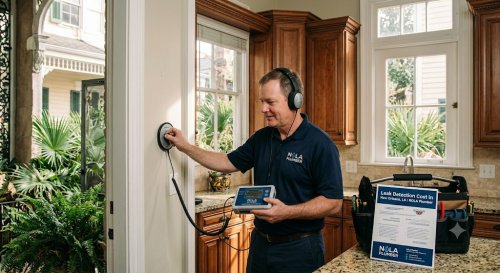
Electronic Leak Detectors: Acoustic sensors listen for the sound of pressurized water escaping underground.
-
Pressure Testing Gauges: Precision tools measure PSI levels to diagnose failing regulators or blockages.
-
Pipe Locators: Electromagnetic sensors map the exact depth and route of buried service lines.
-
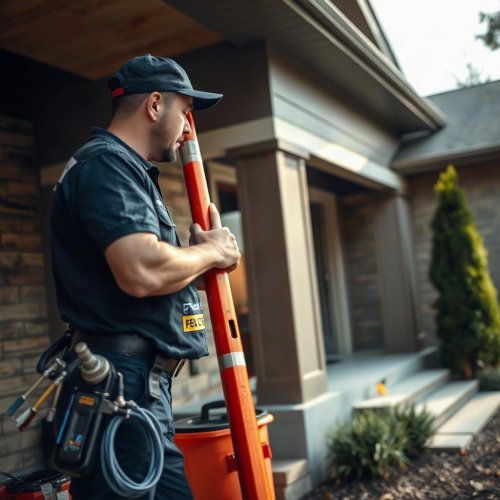
Trenchless Equipment: Advanced boring and pipe-pulling tools minimize lawn disruption during underground repairs.
How Long Does the Repair Usually Take?
-
Valve Adjustments or Replacements: 1 to 2 hours for accessible shut-off valves or PRVs.
-
Clearing Scale Blockages: 2 to 4 hours depending on the extent of pipe scaling.
-
Underground Main Line Repair: 1 day to excavate, patch, and backfill the damaged section.
-
Full Service Line Replacement: 1 to 3 days depending on length and landscaping requirements.
Cost Factors for Water Line Repairs
Plumbing repair costs vary depending on the severity of the problem, accessibility, materials required, emergency service, property type, and local labor rates.
-
Diagnostic Fees: Standard service call fees for initial troubleshooting and meter testing.
-
Depth and Location: Deep lines or lines running beneath concrete structures require more labor.
-
Materials Used: Upgrading to modern cross-linked polyethylene or copper lines affects project cost.
-
Emergency Dispatch: After-hours or weekend dispatch involves adjusted rates.
-
Property Restoration: Landscaping or concrete repair needed after underground excavation.
Hidden Truths Homeowners Should Know
-
Small pinhole leaks in supply lines quickly escalate into major structural washouts.
-
Temporary tape fixes on high-pressure water lines always fail under normal operating loads.
-
Standard insurance policies rarely cover damage resulting from deferred plumbing maintenance.
-
Tree roots can aggressively infiltrate old metal or polybutylene water service lines.
-
Hard water deposits rapidly shorten the operating lifespan of fixtures and water heaters.
-
DIY repair mistakes frequently double the ultimate cost of professional intervention.
-
Delaying supply line repairs can cause foundation shifting due to soil erosion.
-
Silent water leaks dramatically inflate monthly utility bills before water completely stops.
-
Mold and mildew colonize damp structural cavities within 24 to 48 hours of a hidden leak.
-
Annual plumbing maintenance saves money by catching failing regulators early.
15 Common Mistakes Homeowners Make
-
Ignoring minor pressure drops until the water completely cuts off.
-
Forgetting to check local municipal outage maps before panicking.
-
Forcing stuck main shut-off valves and snapping the stem.
-
Using chemical solutions on supply lines (never effective for outages).
-
Hiring unlicensed handymen for critical water main repairs.
-
Skipping annual pressure reducing valve checks.
-
Waiting for a complete emergency before replacing aging pipes.
-
Installing incorrect pipe diameters that restrict home water flow.
-
Over-tightening fragile threaded plumbing fittings.
-
Planting large trees directly over underground water service paths.
-
Failing to locate the main water shut-off valve before an emergency.
-
Neglecting to insulate exposed exterior lines against extreme weather.
-
Failing to document property damage for insurance purposes.
-
Ignoring strange water meter movement when all taps are off.
-
Delaying professional diagnostic evaluations.
Maintenance Tips for Reliable Water Supply
-
Test your main water shut-off valve twice a year to ensure smooth operation.
-
Monitor your water meter periodically for unexpected movement.
-
Schedule professional pressure regulator inspections every few years.
-
Insulate any exposed water lines in crawlspaces or exterior walls.
-
Install water leak detection sensors near major appliances.
-
Keep trees and deep-rooted shrubs away from water service entry lines.
-
Flush your water heater annually to prevent sediment accumulation.
-
Check indoor fixture aerators regularly for mineral blockages.
-
Know the exact phone number of your local municipal water provider.
-
Keep your main water shut-off valve clearly labeled and accessible.
-
Replace aging galvanized pipes before they choke with rust.
-
Avoid exposing plastic supply lines to direct sunlight or harsh chemicals.
-
Check your monthly water bill for unexplained consumption spikes.
-
Hire licensed professionals for any major supply modifications.
-
Maintain a clear emergency fund for unexpected plumbing repairs.
When Should You Call an Emergency Plumber?
-
Total Loss of Water: Complete absence of water supply across all property fixtures.
-
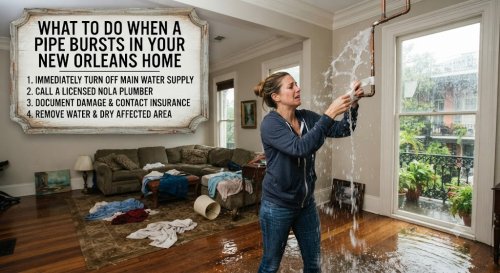
Burst Supply Pipes: Major high-pressure water leaks flooding interior spaces.
-
Severe Pressure Drops: Sudden loss of pressure accompanied by loud pipe banging.
-
Malfunctioning PRVs: Dangerous spikes or complete drops in home water pressure.
-
Uncontrollable Flooding: Water gushing from broken indoor valves or supply lines.
Frequently Asked Questions
-
Why is my water pressure suddenly low? Low pressure is usually caused by clogged aerators, a failing pressure reducing valve, or a hidden leak.
-
How much does leak detection cost? Costs vary based on equipment and property size, but professional detection prevents destructive exploratory digging.
-
Can a clogged drain damage pipes? Yes, severe pressure backups can crack pipe joints and cause major leaks.
-
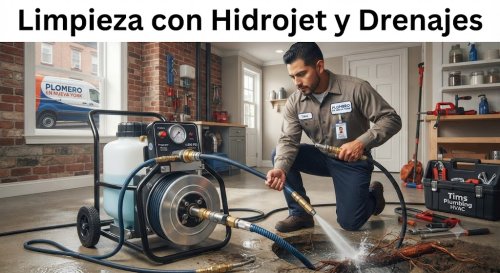
Is hydro jetting safe for old pipes? A licensed plumber must inspect the pipe condition first; fragile lines may require gentler cleaning methods.
-
How do I know if my sewer line is broken? Frequent backups, soggy lawn patches, and foul odors are primary indicators of a broken line.
-
How long do water heaters last? Standard tank water heaters typically last between 8 to 12 years with proper maintenance.
-
Why does my faucet drip? Worn internal washers, O-rings, or valve seats usually cause persistent dripping.
-
What causes pipes to burst? Freezing temperatures, excessive water pressure, and severe rust corrosion are primary culprits.
-
Can plumbing leaks increase my water bill? Even a small silent leak in a toilet flapper or underground pipe can significantly spike your monthly utility bill.
-
When should I replace plumbing instead of repairing it? If pipes suffer from widespread corrosion, frequent leaks, or age past their expected lifespan, total replacement is more cost-effective.