Common Causes of Water Leaks in Historic New Orleans Homes
Discover the most frequent water leak causes in historic New Orleans homes, from shifting soils to aging galvanized pipes, and how to protect your property.

Understanding Water Leaks in Historic New Orleans Properties
Owning a historic home in neighborhoods like the French Quarter, the Garden District, or Faubourg Marigny is a point of pride, but it also comes with unique architectural and mechanical challenges. The plumbing systems in these older properties have often evolved over a century or more, combining modern PVC or copper with legacy materials. Because of the distinct environment and aging infrastructure, water leaks are a persistent concern for local property owners.
As an experienced plumber working across the area, identifying why these leaks occur is the first step toward effective leak detection and long-term pipe repair. Here is a close look at the most common culprits behind water leaks in historic New Orleans residences.
1. Ground Settlement and Delta Soil Shifts
New Orleans sits on a high water table with alluvial soils that expand and contract heavily depending on rainfall and seasonal moisture levels. This shifting ground puts immense stress on underground water service lines and sewer connections. When the earth moves beneath a raised cottage or a historic brick home, rigid older pipes can crack, shear, or separate at the joints. Slab leaks can also develop if supply lines running beneath historic foundations are subjected to constant soil pressure shifts.
2. Aging Galvanized Steel and Cast Iron Pipes
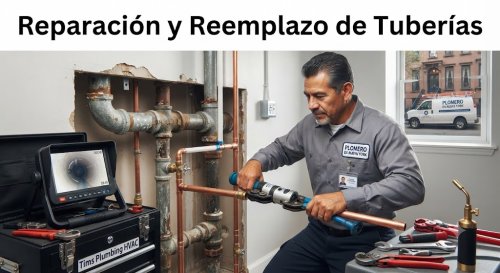
Many older homes in the city still harbor sections of galvanized steel supply piping or original cast iron drain lines. Over decades, internal mineral buildup and rust narrow the interior diameter of galvanized pipes, eventually leading to pinhole leaks and joint failures. Similarly, older cast iron waste lines corrode from the inside out due to acidic wastewater and high humidity, resulting in slow cracks and hidden leaks behind walls or beneath flooring.
3. High Humidity and Condensation Damage
The subtropical climate of Southeast Louisiana creates extreme humidity year-round. Uninsulated cold water supply lines running through crawlspaces, attics, or wall cavities frequently develop heavy condensation. Over time, this moisture drips onto wooden framing, subfloors, and drywall, mimicking the signs of a pressurized pipe leak and causing wood rot, mold growth, and structural degradation.
4. Tree Root Infiltration in Older Sewer and Water Lines
Historic New Orleans neighborhoods are famous for their sprawling live oak trees and mature urban canopy. While beautiful, these root systems actively seek out moisture. Older clay, cast iron, or orangeburg sewer and water lines often have minor micro-cracks or aged, porous joints. Tree roots infiltrate these openings, expanding inside the pipe and causing major blockages, structural breaches, and subsequent wastewater or supply leaks.
5. Pressure Fluctuations and Aging Fixtures
Municipal water pressure can fluctuate across different parts of the city. Older interior plumbing fixtures, shut-off valves, and soldered joints that have been in place for decades may struggle to handle pressure spikes. Worn washers, deteriorated valve stems, and brittle supply lines under sinks and behind toilets frequently give way, resulting in sudden indoor flooding if not caught early.
Protecting Your Historic Property
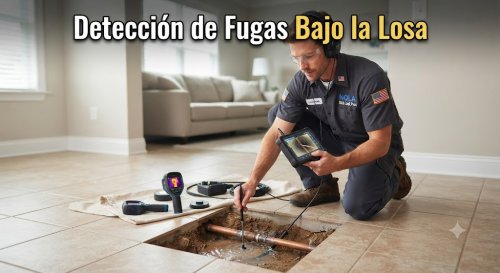
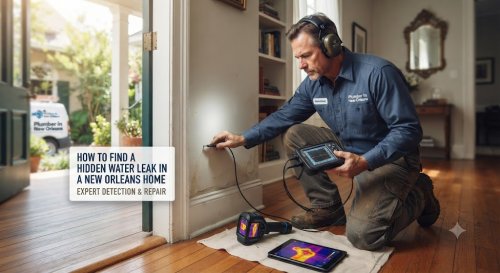
Dealing with leaks in an older home requires a careful balance of modern technology and respect for historic architecture. Advanced non-invasive leak detection methods allow professional plumbers to pinpoint hidden moisture without tearing up historic plaster or original hardwood floors. Routine plumbing inspections, monitoring your water meter for unexplained spikes, and replacing deteriorated sections of piping proactively can save historic New Orleans homes from extensive water damage.