Common Causes of Water Leaks in Historic New Orleans Homes
Discover the leading causes of water leaks in historic New Orleans properties, from aging galvanized pipes to high humidity, and learn how to protect your home.

Owning a historic home in neighborhoods like the French Quarter, Faubourg Marigny, or Uptown New Orleans comes with undeniable architectural charm. However, these architectural treasures often harbor aging plumbing systems that require specialized attention. Properties built a century ago or more feature unique configurations and materials that behave differently under the subtropical climate and shifting delta soils of Louisiana. Understanding the common causes of water leaks in these properties helps homeowners catch minor issues before they turn into major structural emergencies.
Aging and Corroded Piping Materials
One of the primary culprits behind water leaks in older New Orleans houses is the continued presence of legacy plumbing materials. Many historic properties still contain sections of galvanized steel, cast iron, or even original lead supply lines. Over decades of service, mineral deposits in the water supply accumulate inside galvanized pipes, slowly restricting water flow and causing internal corrosion that eventually leads to pinhole leaks or sudden pipe bursts. When these older pipes run through cramped crawlspaces, historic plaster walls, or beneath raised wooden floorboards, identifying a leak early can be exceptionally difficult without professional leak detection equipment.
Foundation Movement and Soil Shifts
New Orleans is built on soft, moisture-rich alluvial soils that experience continuous expansion and contraction depending on seasonal rainfall and drought conditions. Most historic homes in the area sit on raised brick piers or historic slab foundations that settle unevenly over time. This shifting puts immense stress on rigid plumbing connections, supply lines, and waste stacks. When a pipe shifts beyond its structural flexibility, joints can pull apart, or hairline cracks can form, allowing water to slowly seep into subflooring, floor joists, and foundational brickwork.
High Humidity and Condensation Damage
The intense New Orleans humidity does not just affect the exterior comfort of your home; it plays a significant role in indoor plumbing degradation. Uninsulated cold water supply lines running through hot attic spaces or unconditioned crawlspaces frequently develop heavy surface condensation. Over time, this constant moisture accumulation mimics a slow plumbing leak, rotting surrounding wooden framing, encouraging mold growth, and slowly degrading pipe hangers and support brackets until the pipe sags and creates a mechanical leak at a joint.
Wear and Tear on Historic Fixtures and Valves
Many historic homes retain vintage or antique brass faucets, clawfoot tub assemblies, and gate-style shut-off valves. While these fixtures look stunning and maintain period authenticity, their internal rubber washers, packing nuts, and valve stems wear down significantly over generations. A gate valve that has not been operated in twenty years will often fail to seal completely when closed, or the valve stem may snap off entirely during an emergency shut-off attempt, triggering an immediate water leak.
How to Spot Hidden Water Leaks Early
Because historic homes feature thick plaster walls, heart pine floors, and raised crawlspaces, water leaks can remain hidden for weeks before becoming obvious. Property owners should watch for these subtle warning signs:
-
hot or damp spots on wooden floors or historic floor coverings
musty, earthy odors that do not dissipate with ventilation
peeling paint, bubbling wallpaper, or water stains on plaster walls
unexplained spikes in your municipal water bill
the sound of running water when all indoor fixtures are completely turned off
Protecting Your Historic Property
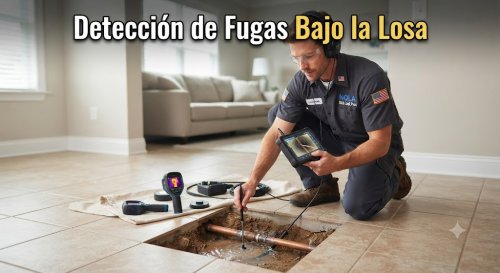
Maintaining the plumbing integrity of a historic New Orleans home requires a proactive approach. Regular visual inspections of accessible piping in crawlspaces, routine checks of water meter activity, and upgrading failing branch lines with modern, flexible materials can prevent catastrophic water damage. If you suspect a hidden leak behind your plaster walls or beneath your floors, utilizing professional electronic leak detection services ensures the issue is located precisely without tearing into historic architectural elements unnecessarily.