Plumber Cost in New Orleans, LA: Rates & Estimates
Discover how much plumbing repairs cost in New Orleans, LA. Learn about pricing factors, warning signs, and when to hire a licensed plumber.
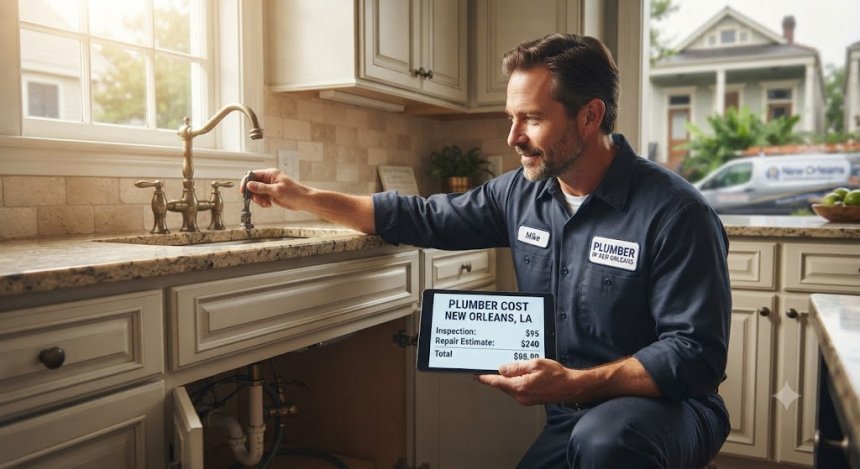
How Much Does a Plumber Cost in New Orleans, LA?
Introduction
Plumbing problems are a stressful reality for homeowners and business owners across New Orleans, LA. Whether you are dealing with an unexpected pipe leak in your historic Garden District home, a stubborn main sewer line clog in Metairie, or a malfunctioning water heater in a commercial property near the French Quarter, knowing what to expect financially is essential.
Property owners frequently research plumbing costs to budget effectively, avoid overpaying, and understand whether a project requires a quick DIY fix or a licensed professional. New Orleans' unique climate, historic architecture, and high water table present distinct plumbing challenges that can influence labor requirements, repair timelines, and overall service costs. Understanding the breakdown of plumbing rates helps you make informed decisions before calling for help.
What Is Plumbing Cost Determination?
Plumbing costs encompass the financial investment required to inspect, diagnose, repair, replace, or maintain residential and commercial plumbing systems. It is not a single flat fee; rather, it is a combination of labor, materials, diagnostic time, equipment usage, and urgency.
Common Situations Involving Plumbing Expenses
-
Routine Maintenance: Scheduled water heater flushing or backflow testing.
-
Minor Repairs: Fixing a dripping faucet, clearing a slow kitchen drain, or replacing a broken toilet flapper.
-
Major Overhauls: Repiping older homes with galvanized or cast iron pipes, trenchless sewer line replacement, or slab leak repair.
-
Emergency Interventions: Midnight calls for burst pipes, sewage backups, or major basement flooding.
Why Does This Plumbing Problem Happen?
Plumbing service needs and subsequent costs arise from several structural, environmental, and mechanical factors specific to the New Orleans area and general plumbing wear-and-tear:
-
Aging Infrastructure: Many homes in New Orleans feature older galvanized steel, polybutylene, or cast-iron pipes that corrode, rust, and crack over time.
-
High Water Table and Soil Movement: The marshy terrain and shifting soils in Southeast Louisiana place extra stress on underground sewer lines and foundation pipes.
-
Hard Water Mineral Buildup: Mineral deposits scale up inside water heaters, fixtures, and supply lines, reducing efficiency and accelerating wear.
-
Tree Root Intrusion: Fast-growing root systems in neighborhoods with mature trees routinely infiltrate clay and cast-iron sewer lateral pipes.
-
Improper Prior Installations: DIY errors or substandard past repairs often lead to recurring leaks, poor water pressure, and premature component failure.
Signs You Should Never Ignore
Recognizing early warning signs can save property owners from devastating repair bills later:
-
Unexplained High Water Bills: Indicates a hidden slab leak or running toilet.
-
Discolored or Rusty Water: Points to internal pipe corrosion or water heater tank deterioration.
-
Foul Sewage Odors: Signals a cracked sewer vent or a dry plumbing trap.
-
Low Water Pressure: Often caused by mineral scale buildup, pressure regulator failure, or a partial pipe blockage.
-
Soggy Yard Spots or Lush Grass: A telltale sign of an underground water or sewer line leak.
Common Plumbing Problems Related to This Issue
When evaluating plumbing costs, it helps to understand what specific issues drive service calls in Greater New Orleans:
-
Drain Clogs: Kitchen grease, hair, and soap scum buildup in branch lines.
-
Burst Pipes: Caused by pressure fluctuations or sudden freezing temperatures during rare cold snaps.
-
Water Heater Failures: Sediment buildup causing tank leaks or heating element burnout.
-
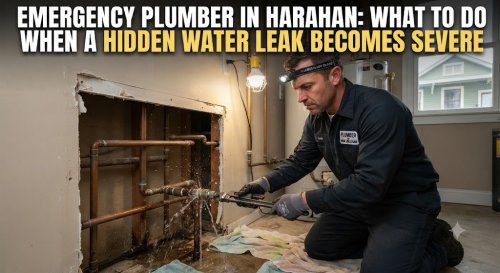
Slab Leaks: Corroded water supply lines beneath concrete foundations.
-
Sewer Backups: Main line blockages pushing wastewater back up into showers and floor drains.
Step-by-Step Professional Repair Process
A reputable plumbing company follows a structured, transparent process to ensure quality workmanship:
-
Step 1: Initial Inspection: The plumber examines the affected area, reviews symptoms, and assesses the broader plumbing setup.
-
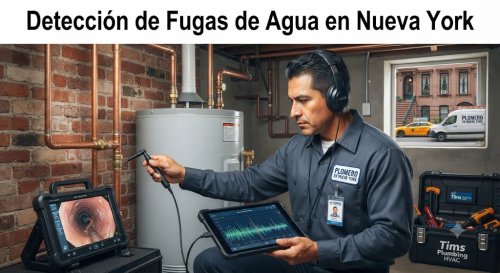
Step 2: Advanced Diagnosis: Using tools like electronic leak detectors or sewer cameras to pinpoint the exact root cause.
-
Step 3: Upfront Estimate: Presenting a clear, itemized quote detailing labor, parts, and expected timelines before starting work.
-
Step 4: Professional Repair or Replacement: Executing the repair using industry-standard techniques and code-compliant materials.
-
Step 5: System Testing: Pressurizing lines, running water test cycles, and checking for leaks to ensure perfection.
-
Step 6: Thorough Cleanup: Restoring the work area to its original condition and removing all debris.
-
Step 7: Maintenance Advice: Providing custom guidance on how to prevent future issues and protect your plumbing investment.
Can You Fix It Yourself?
While minor tasks like plunging a toilet or replacing a showerhead washer are manageable for DIYers, many plumbing tasks carry serious risks.
What Homeowners Can Safely Do
-
Clear surface hair from bathroom drain stoppers.
-
Turn off the main water shut-off valve in an emergency.
-
Replace standard sink faucet aerators.
When DIY Becomes Dangerous
Attempting complex repairs—such as soldering gas lines, opening up walls for pipe replacement, or clearing main sewer lines without proper training—frequently leads to severe property damage, personal injury, and expensive code violations. When in doubt, call a licensed professional.
Tools Professionals Use
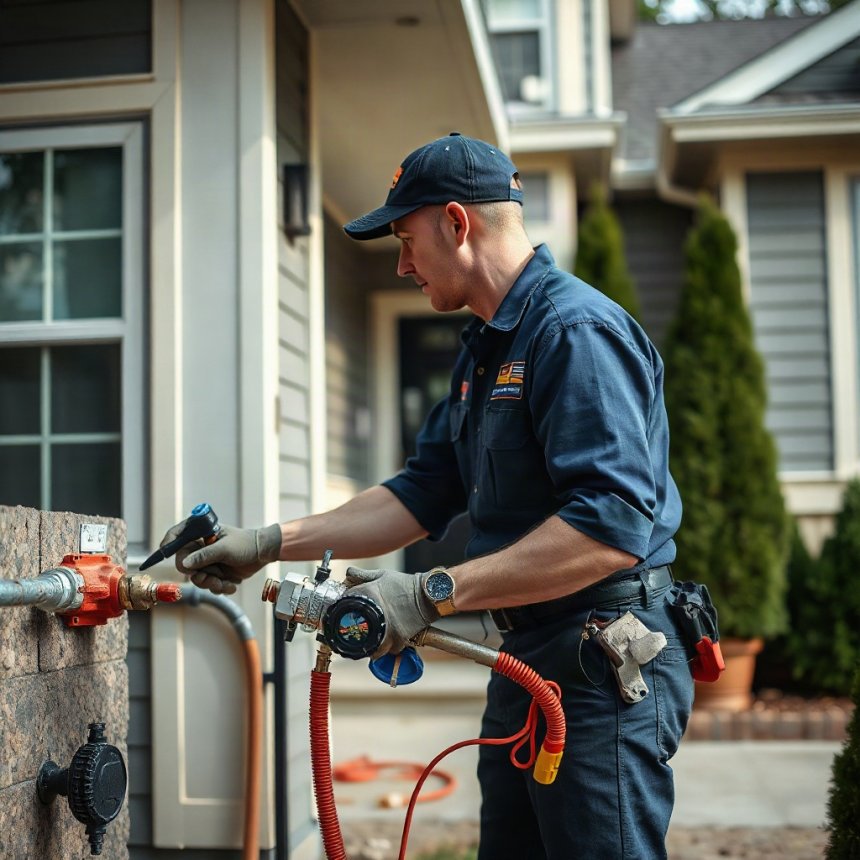
Modern plumbing relies heavily on advanced diagnostic and repair technology to save time and prevent unnecessary property damage:
-
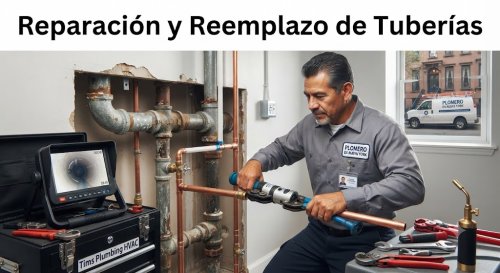
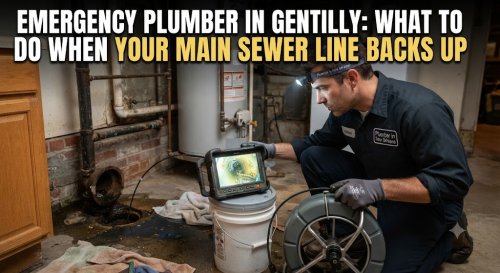
Drain Inspection Cameras: High-definition fiber-optic cameras that crawl through pipes to visually locate cracks, roots, and grease blocks.
-
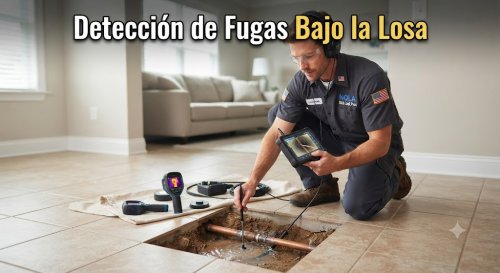
Electronic Leak Detectors: Acoustic and thermal imaging devices that pinpoint hidden leaks behind walls and beneath concrete slabs.
-
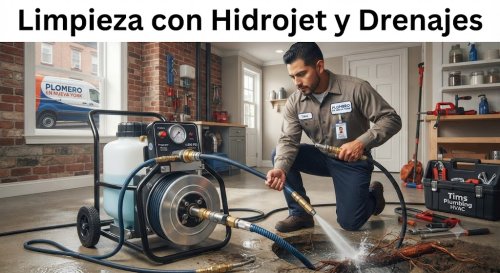
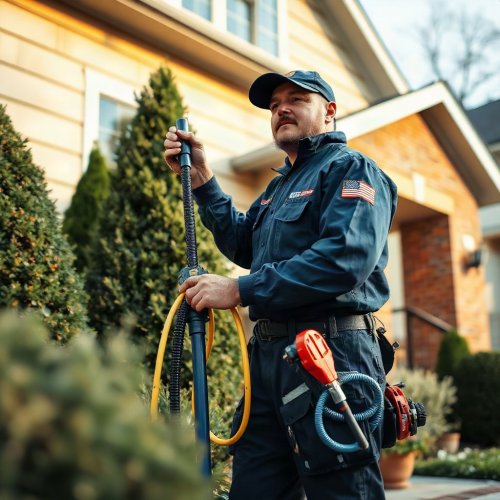
Hydro Jetting Systems: High-pressure water streams that scour sewer lines clean of tree roots and heavy grease.
-
Pipe Locators: Radio frequency equipment used to map underground utility paths precisely.
How Long Does the Repair Usually Take?
Repair timelines vary widely based on complexity and accessibility:
-
Simple Repairs (Faucet replacement, minor clog): 30 minutes to 2 hours.
-
Moderate Repairs (Water heater swap, garbage disposal replacement): 2 to 4 hours.
-
Major Repairs (Main sewer line replacement, whole-house repiping): 1 to 3 days.
-
Emergency Interventions (Burst pipe isolation and patching): 1 to 3 hours for stabilization.
Cost Factors
Plumbing repair costs vary depending on the severity of the problem, accessibility, materials required, emergency service, property type, and local labor rates. Key cost components include:
-
Diagnostic Fees: The cost for a technician to travel to your property, inspect the system, and determine the exact problem.
-
Labor Rates: Hourly or flat-rate charges reflecting licensed expertise and insurance overhead.
-
Parts and Materials: Quality, code-compliant piping, valves, fixtures, and fittings.
-
Emergency Service Charges: Premium pricing for after-hours, weekend, or holiday dispatches.
-
Equipment Rental: Specialized machinery like hydro-jets or trenchless boring tools.
-
Permit Costs: Municipal fees required by local building departments for major renovations or new installations.
Hidden Truths Homeowners Should Know
-
Small leaks quickly escalate into structural wood rot and costly mold remediation.
-
Cheap temporary fixes (like duct tape or quick-set epoxy on high-pressure lines) almost always fail.
-
Homeowners insurance rarely covers damage caused by long-term, neglected plumbing wear.
-
Tree roots will continuously return to sewer lines unless mechanically removed or structurally repaired.
-
Hard water in the region significantly shortens the operational lifespan of water-using appliances.
-
DIY mistakes often invalidate manufacturer warranties and multiply professional labor bills.
-
Delaying minor repairs compromises your home's structural integrity.
-
Hidden pipe leaks drive up monthly water utility bills without immediate visible warnings.
-
Professional annual maintenance catches small issues before catastrophic failures occur.
15 Common Mistakes Homeowners Make
-
Ignoring Minor Leaks: Allowing a slow drip to persist until wood rot sets in.
-
Using Chemical Drain Cleaners: Pouring harsh acid cleaners down pipes that corrode metal and plastic lines.
-
Flushing "Flushable" Wipes: Disposing of wet wipes, paper towels, and hygiene products into toilets.
-
Pouring Grease Down Drains: Letting cooking oils solidify inside kitchen branch lines.
-
Ignoring Water Pressure Surges: Failing to install or service a failing pressure-reducing valve (PRV).
-
Hiring Unlicensed Handymen: Working with uninsured contractors for complex plumbing modifications.
-
Skipping Annual Checkups: Neglecting routine water heater flushes and backflow inspections.
-
Waiting Until Emergencies Strike: Calling for help only after a pipe bursts or a ceiling caves in.
-
Using Wrong Pipe Materials: Mixing copper and galvanized steel without dielectric unions, causing galvanic corrosion.
-
Over-Tightening Plumbing Fittings: Cracking porcelain fixtures or stripping threaded connections by applying excessive torque.
-
Locating Main Shut-Off Valves Incorrectly: Not knowing where the main water shut-off valve is before an emergency occurs.
-
Leaving Outdoor Hoses Connected in Winter: Risking hose bib freeze-ups during sudden freezes.
-
Disposing of Paint or Construction Debris in Sinks: Washing cement, drywall mud, or paint down drains.
-
Disabling Sump Pumps: Unplugging basement sump pumps during dry spells and forgetting to turn them back on.
-
Failing to Insulate Exposed Pipes: Leaving attic or crawlspace supply lines unprotected against cold drafts.
Maintenance Tips
-
Flush your water heater tank once a year to remove sediment and extend its working life.
-
Test your main water shut-off valve semi-annually to ensure it turns smoothly.
-
Pour a bucket of water into rarely used floor drains and guest bathroom traps to prevent sewer gas odours.
-
Install mesh strainers on all shower, tub, and kitchen sink drains to catch hair and food particles.
-
Inspect under all sinks every three months for dampness, discoloration, or weeping fittings.
-
Keep trees with aggressive root systems away from underground sewer lateral paths.
-
Know the location of your home's main water shut-off valve and tag it clearly.
-
Insulate exposed water pipes in crawl spaces and attics before winter arrives.
-
Schedule a professional plumbing inspection every two to three years for older homes.
-
Check your water meter when all taps are off to detect hidden leaks.
-
Avoid planting shrubs directly over septic tanks or main sewer cleanouts.
-
Clean your garbage disposal regularly with ice cubes and citrus peels to sharpen blades and remove odors.
-
Monitor your water pressure with an inexpensive gauge attached to an outdoor hose spigot.
-
Replace washing machine supply hoses every five years with braided stainless-steel lines.
-
Test sump pump operation by pouring a bucket of water into the pit before heavy storm seasons.
When Should You Call an Emergency Plumber?
-
Burst Pipes: Water gushing into walls, ceilings, or living spaces.
-
Severe Sewage Backups: Wastewater overflowing from toilets, tubs, or floor drains.
-
Total Loss of Water: Sudden, unexplained interruption of your entire water supply.
-
Overflowing Toilets: Fixtures that cannot be stopped using the local toilet shut-off valve.
-
Gas Line Smells: Suspected natural gas or propane leaks near appliances (evacuate immediately).
-
Major Slab Leaks: Sudden drop in water pressure accompanied by warm spots on concrete floors.
Frequently Asked Questions
Why is my water pressure suddenly low?
Sudden pressure drops are typically caused by a partially closed main shut-off valve, a failing pressure-reducing valve, a major leak, or severe scale accumulation in aerators and pipes.
How much does leak detection cost?
Leak detection costs vary based on the technology used (such as acoustic listening equipment or thermal imaging) and the accessibility of the suspected leak location.
Can a clogged drain damage pipes?
Yes. Severe clogs create backpressure, stress pipe joints, and increase the risk of cracks, especially in older or compromised lines.
Is hydro jetting safe for old pipes?
An experienced plumber must first inspect the pipe integrity via camera; hydro jetting is safe for sturdy lines but can damage severely weakened, rusted cast iron or clay pipes.
How do I know if my sewer line is broken?
Common indicators include multiple slow drains simultaneously, gurgling toilets, foul sewage odors around the property, and soggy patches in the yard.
How long do water heaters last?
Traditional tank water heaters typically last 8 to 12 years, while tankless units can operate efficiently for 15 to 20 years with proper maintenance.
Why does my faucet drip?
Dripping faucets are usually caused by worn-out rubber washers, damaged O-rings, or corroded valve seats inside the handle mechanism.
What causes pipes to burst?
Pipes most commonly burst due to internal freezing pressure during extreme cold, or from structural ground shifts and excessive internal water pressure.
Can plumbing leaks increase my water bill?
Absolutely. Even a small continuous leak can waste thousands of gallons of water per month, driving up utility expenses significantly.
When should I replace plumbing instead of repairing it?
If your home has recurring pipe leaks, widespread corrosion, outdated galvanized or polybutylene piping, or failing joints throughout the system, whole-house repiping is more cost-effective than continuous spot repairs.
Why Choose Plumber in New Orleans
When plumbing emergencies strike or renovation projects arise in New Orleans, LA, partnering with a trusted local professional ensures peace of mind. Plumber in New Orleans delivers exceptional service backed by:
-
Experienced Licensed Plumbers: Highly trained professionals equipped to handle complex residential and commercial plumbing challenges.
-
Honest Recommendations: Straightforward advice focused on the most practical and cost-effective solutions for your property.
-
Upfront Estimates: Transparent, clear pricing with no hidden fees before any work begins.
-
Fast Response Times: Prompt dispatch across New Orleans, Metairie, Kenner, and surrounding neighborhoods.
-
Emergency Availability: 24/7 support when critical plumbing failures happen.
-
Quality Workmanship: Strict adherence to local building codes and industry best practices.
-
Modern Equipment: Utilization of state-of-the-art diagnostic cameras, electronic leak finders, and hydro-jetters.
-
Customer Satisfaction: A strong local reputation built on reliability, respect, and superior results.
Contact Plumber in New Orleans today to schedule an inspection, request an estimate, or get immediate help with your plumbing needs