Common Causes of Low Water Pressure in Older New Orleans Homes
Discover why older New Orleans homes experience low water pressure. Learn about galvanized pipes, mineral buildup, pressure regulators, and local plumbing fixes.

Understanding Low Water Pressure in Historic New Orleans Properties
Stepping into a historic New Orleans home—whether it’s a classic Creole cottage in Faubourg Marigny or a charming raised center-hall house in Uptown—comes with a distinct architectural appreciation. However, these architectural treasures often bring legacy plumbing challenges. One of the most frequent complaints homeowners face is sluggish, frustratingly weak water flow from showers, faucets, and laundry hookups.
Low water pressure is rarely just a minor annoyance; it can be an early warning sign of deteriorating infrastructure within your property lines or issues with the municipal water supply provided by the Sewerage and Water Board of New Orleans (SWBNO). Understanding what restricts water flow in older properties helps property owners address the root cause before minor restrictions escalate into burst pipes or total system failures.
1. Legacy Galvanized Steel Piping and Internal Corrosion
The single most common culprit behind low water pressure in older New Orleans houses is the presence of legacy galvanized steel supply lines. Throughout the mid-20th century, galvanized steel was the standard material used for residential plumbing. Over decades of exposure to mineral-rich water and humidity, these pipes undergo internal oxidation and rust accumulation.
How Rust Chokes Water Flow
As the interior walls of galvanized pipes corrode, iron buildup creates thick, jagged crusts known as tuberculation. This buildup severely narrows the interior diameter of the pipe. While water may flow adequately through a wide-open pipe, a galvanized line choked by decades of rust restricts volume and pressure significantly. When you turn on multiple fixtures simultaneously—such as the kitchen sink and the upstairs shower—the pressure drop becomes immediately noticeable.
2. Mineral Deposits and Scale Buildup in Fixtures
New Orleans water requires careful treatment, and mineral content can gradually deposit inside plumbing fixtures, aerators, and showerheads. Over time, calcium and mineral scale build up inside faucet aerators and showerhead nozzles, creating localized pressure drops that mimic whole-house supply problems.
If only one or two sinks in the house have weak streams while the rest of the home runs normally, the issue is likely isolated to the fixture itself rather than the main supply line. Unscrewing the faucet aerator and soaking it in a descaling solution often provides an immediate fix.
3. Failing Pressure Reducing Valves (PRVs)
Many homes throughout New Orleans feature a Pressure Reducing Valve (PRV) installed where the main water line enters the house. A PRV controls and stabilizes the high pressure coming off the municipal water mains before it reaches your interior fixtures.
When a PRV fails—often due to internal spring fatigue or sediment clogging—it can get stuck in a partially closed position. This failure severely restricts the volume of water entering your home, resulting in a sudden and uniform drop in water pressure across every bathroom and kitchen tap.
4. Municipal Supply Fluctuations and Local Infrastructure
Sometimes the root cause of low pressure lies outside your property line. New Orleans relies on a complex, aging municipal water network managed by the Sewerage and Water Board. Water main breaks, localized infrastructure repairs, hydrant flushing, and high seasonal demand can temporarily reduce municipal water pressure in specific neighborhoods.
If your neighbors are experiencing identical pressure drops at the exact same time, contact utility officials to inquire about active repairs or service outages in your immediate vicinity.
Diagnostic Steps and Professional Solutions
Pinpointing the exact cause of weak water pressure requires a systematic approach:
- Check individual fixtures: Determine if the low pressure affects only one faucet or every water source in the house.
- Inspect the main shut-off valve: Ensure the main water supply valve is fully open. A partially closed valve restricts flow.
- Test the pressure: A simple pressure gauge attached to an outdoor hose bib can verify your home's actual PSI (Pounds per Square Inch).
- Evaluate pipe material: Inspect exposed plumbing in the crawlspace, basement, or utility areas to identify remaining galvanized steel lines.
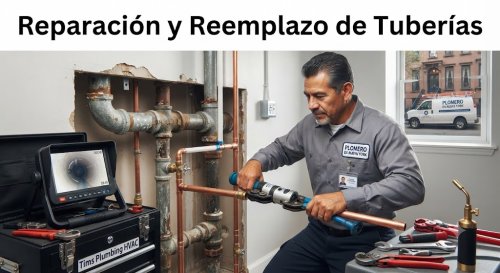
For homes struggling with extensive internal pipe corrosion, targeted repiping using modern materials like PEX or copper is often the most effective long-term solution. Upgrading outdated infrastructure not only restores robust water pressure but also safeguards your New Orleans property against sudden leaks and water damage.