Why Does Your New Orleans Home Smell Like Sewer Gas? Causes & Fixes
Discover why sewer gas smells occur in New Orleans homes. Learn about dry P-traps, broken wax rings, and vent stack issues, and how a local plumber can help.
Catching a whiff of sulfur or sewage inside your living space is never pleasant. In historic neighborhoods across New Orleans, from Uptown to the French Quarter, dealing with unusual plumbing odors is a surprisingly common homeowner challenge. Beyond being an unpleasant nuisance, a persistent sewer gas smell is a warning sign that something in your home's drainage or venting system requires attention.
Understanding what causes these odors and knowing how a professional New Orleans plumber tracks them down can keep your home safe, comfortable, and smelling fresh.
Understanding Sewer Gas and Why It Occurs
Sewer gas is a complex mixture of toxic and non-toxic gases, including hydrogen sulfide, methane, carbon dioxide, and ammonia, produced by the breakdown of household waste. In a properly functioning plumbing system, these gases are safely vented out of the building through the roof.
When you smell sewer gas inside your house, it means there is a direct break in the barrier separating your living areas from the sewer system. This barrier relies heavily on clever engineering—specifically, water traps and sealed piping networks.
Common Causes of Sewer Odors in New Orleans Properties
1. Dried-Out P-Traps
Every plumbing fixture—sink, shower, tub, and floor drain—has a curved section of pipe underneath called a P-trap. This curve holds a small amount of water that acts as a physical barrier, blocking sewer gases from rising up through the drain opening.
In guest bathrooms, laundry rooms, or basement floor drains that are rarely used, this standing water can evaporate entirely. Once the water barrier is gone, gas flows freely into the room. Running water down the drain usually solves this instantly, but chronic evaporation points to deeper ventilation or usage issues.
2. Clogged, Cracked, or Damaged Vent Stacks
Plumbing vent stacks run upward through the roof of your home, allowing air to enter the system so wastewater flows smoothly while pushing sewer gases safely up and away. New Orleans homes face heavy seasonal storms, falling oak branches, and stubborn debris that can clog these roof vents.
When a vent stack becomes blocked by leaves, animal nests, or even structural damage, the negative pressure inside the pipes can pull water right out of your P-traps when you flush a toilet or empty a tub, breaking the water seal and releasing odors.
3. Deteriorated Toilet Wax Rings
Beneath every toilet sits a wax ring that creates an airtight and watertight seal between the base of the porcelain bowl and the cast iron or PVC closet flange on the floor. Over time, shifting floorboards, structural settling (common in older New Orleans slab and pier-and-beam foundations), or loose toilet bolts can cause this wax seal to degrade.
If you notice a sewer-like odor specifically around the base of a toilet, a compromised wax ring is the most frequent culprit.
4. Hidden Pipe Leaks and Cracks
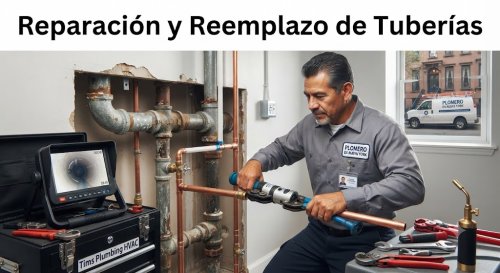
Older homes in New Orleans often feature aging cast iron or galvanized steel drain lines. Decades of exposure to high humidity, shifting soil, and general wear can lead to hairline cracks, corrosion, or separated joints behind walls or beneath floors. Even a tiny opening in a vent or drain line allows pungent gases to seep into living spaces long before a visible water leak appears.
How Professionals Locate Hidden Odors
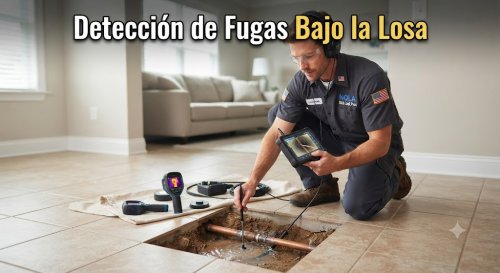
Because sewer gas leaks are notoriously difficult to track down with the naked eye, experienced residential plumbers utilize specialized equipment to pinpoint the exact breach:
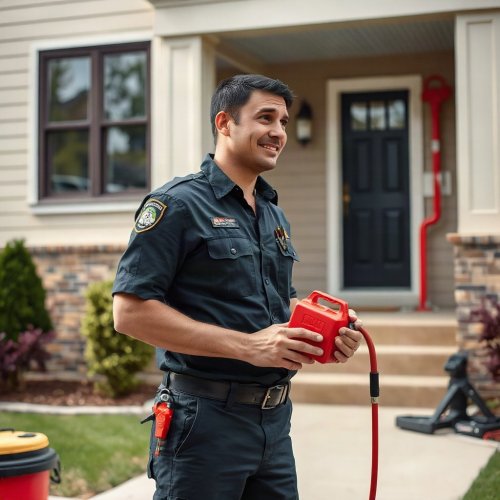
- Smoke Testing: A non-toxic, highly visible smoke is blown into the plumbing system under low pressure. Wherever smoke escapes, you have found the source of the sewer gas leak.
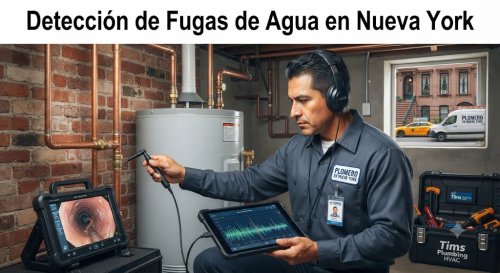
- Electronic Leak and Gas Detection: Advanced sensors help identify concentrated pockets of gas or moisture behind drywall and beneath flooring.
- Video Camera Inspections: Plumbers feed a waterproof camera directly into sewer and drain lines to check for cracks, breaks, or structural offsets in the main drainage system.
Preventing Plumbing Odors in Your Home
Regular maintenance goes a long way toward keeping your indoor air clean and your plumbing system healthy:
- Run water in rarely used sinks, guest showers, and floor drains at least once a month to keep P-traps full.
- Inspect your roof periodically, or after major New Orleans windstorms, to ensure tree branches aren't crushing or clogging your plumbing vent caps.
- Check toilets for stability. If a toilet rocks slightly when you sit on it, the wax ring may be compromised and should be replaced before leaks or odors worsen.
- Address slow-draining fixtures immediately before minor clogs turn into major pressure imbalances within your drain lines.
When to Call a Professional Plumber
While running water down a dry drain is an easy DIY fix, persistent or unexplained sewer smells require professional diagnosis. Ignoring the issue can lead to prolonged exposure to unpleasant odors and potential health concerns associated with sewer gas exposure. If simple troubleshooting steps don't eliminate the smell, reaching out for expert plumbing repair in New Orleans ensures the root cause is safely and permanently resolved.