Emergency Plumber in Lakeview: Flooded Basement Guide
Basement flooding in Lakeview? Learn what to do immediately, warning signs, causes, local repair costs, and emergency steps

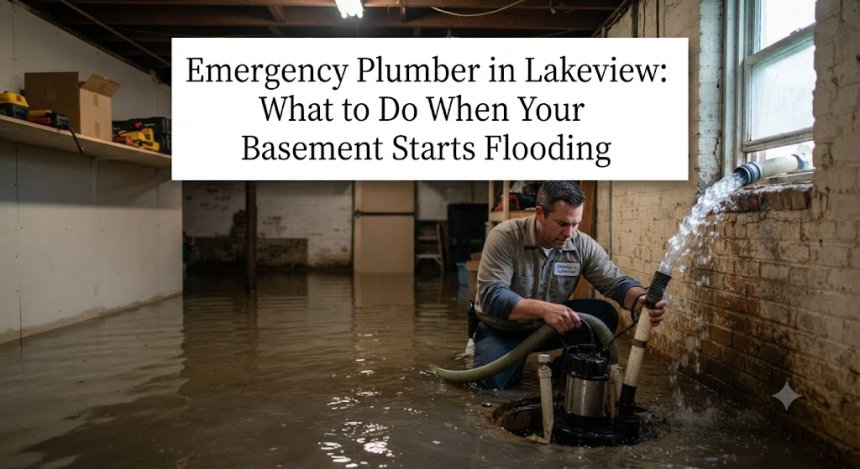
Emergency Plumber in Lakeview: What to Do When Your Basement Starts Flooding
Facing an emergency plumber in Lakeview becomes an urgent priority when heavy regional storms or sudden municipal line failures cause water to rush into your lower level. Neighborhoods across Lakeview, Metairie, Kenner, and surrounding Orleans Parish areas frequently contend with saturated soil, high water tables, and intense downpours that strain residential drainage infrastructure. When water starts pooling across concrete floors or soaking stored belongings, knowing how to react quickly prevents catastrophic property devastation. Property owners near City Park, West End, and the Lakefront frequently face unexpected flooding due to severe weather events, failed sump pumps, and broken perimeter lines. Immediate intervention stops compounding property damage, protects valuable assets, and connects you with a professional team equipped to handle localized plumbing emergencies.
What Is a Flooded Basement?
A flooded basement is a severe plumbing and environmental failure where unwanted water rapidly accumulates on the lower level of a building.
-
Definition: The uncontrolled intrusion of water into a subterranean or ground-level room originating from internal plumbing failures or external drainage breaches.
-
Common Situations: Heavy tropical storms overwhelming foundation seals, primary sump pump electrical failures, or main sewer line blockages forcing graywater backward.
-
Symptoms: Standing water, pooling around floor drains, soaked drywall, ruined insulation, and a strong, damp odor.
-
Real-World Example: A Lakeview homeowner waking up during an overnight thunderstorm to find three inches of water covering the basement floor because the primary sump pump lost power.
Why Does This Plumbing Problem Happen?
Basement flooding rarely occurs without an underlying mechanical or weather-driven trigger. Understanding these root causes helps property owners identify vulnerabilities before a disaster strikes.
-
Aging Infrastructure: Historic or older properties often retain deteriorating clay or cast iron sewer connections that crack under ground pressure.
-
Corrosion: Chemical reactions between minerals in local water supplies and metal piping create interior pinholes that expand over time.
-
Tree Roots: Aggressive root systems from nearby trees infiltrate underground sewer and perimeter drain lines seeking moisture.
-
Extreme Weather: Torrential downpours throughout Southeast Louisiana quickly saturate the water table, increasing hydrostatic pressure against foundation walls.
-
High Water Pressure: Municipal supply pressure exceeding safe residential thresholds places continuous stress on indoor joints and fittings.
-
Poor Installation: Incorrectly graded exterior landscaping that slopes directly toward foundation walls instead of away from the structure.
Signs You Should Never Ignore
Subtle warning signs almost always precede a full basement flood. Recognizing these indicators prevents catastrophic water damage.
-
Water Stains: Discolored rings or peeling paint on lower walls indicate slow, hidden leaks or chronic moisture seepage.
-
Sudden Spike in Water Bills: Unexplained increases on your utility statements point to continuous hidden leakage within supply networks.
-
Damp or Warped Walls: Moisture accumulation softens drywall and encourages structural timber rot.
-
Musty Odors: Hidden moisture fosters rapid mold and mildew growth beneath floorboards and inside wall cavities.
-
Strange Noises: Gurgling sounds from floor drains indicate venting problems or growing blockages in the main waste line.
-
Discolored Water: Rusty or brownish tap water signals interior pipe corrosion and structural breakdown.
Common Plumbing Problems Related to This Issue
Basement flooding is frequently connected to broader plumbing failures throughout a building's network.
-
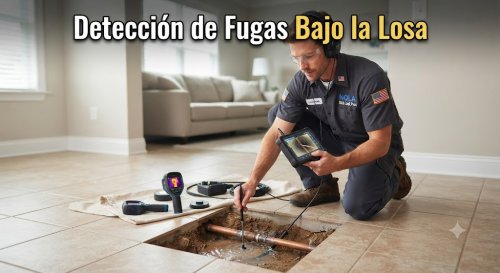
Hidden Slab Leaks: Breaches occurring beneath concrete foundations that erode sub-base soils and weaken structural slabs.
-
Drain Clogs: Severe blockages in main sewer lines that force municipal waste backward into residential floor drains.
-
Water Heater Failures: Tank ruptures that release dozens of gallons directly onto utility room floors.
-
Fixture Damage: Blown seals, cracked utility tubs, and ruined appliances resulting from intense water exposure.
Step-by-Step Professional Repair Process
When a licensed technician arrives at your property, they follow a systematic protocol to restore safety and functionality.
-
Step 1: Immediate Safety & Power Disconnection: Locating and shutting off electrical circuits near standing water while closing primary water supply valves.
-
Step 2: Comprehensive Inspection: Using thermal imaging and moisture meters to map the exact extent of water migration.
-
Step 3: Clear Diagnosis: Assessing whether the flood stems from an external weather breach, sump pump failure, or internal pipe break.
-
Step 4: Transparent Estimate: Providing an upfront, itemized breakdown of water extraction, repair options, and projected costs.
-
Step 5: Precision Extraction & Repair: Pumping out standing water, repairing damaged lines, and installing reliable backup sump pump systems.
-
Step 6: System Testing: Running diagnostic checks on drainage lines and pumps to verify complete operational integrity.
-
Step 7: Jobsite Cleanup & Maintenance Advice: Sanitizing affected areas, removing debris, and offering guidance on structural drying.
Can You Fix It Yourself?
Attempting to manage a major basement flood without professional support is hazardous due to electrical risks and contamination. While homeowners can safely shut off main breakers and move valuables to higher ground, attempting complex sewer line fixes or major pump rewiring yourself is unsafe. Professional intervention is mandatory to ensure sanitation, structural integrity, and code compliance.
Tools Professionals Use
Modern plumbing relies on advanced diagnostic technology to minimize invasive property damage.
-
Submersible Trash Pumps: High-capacity industrial pumps designed to rapidly clear heavy standing water and debris.
-
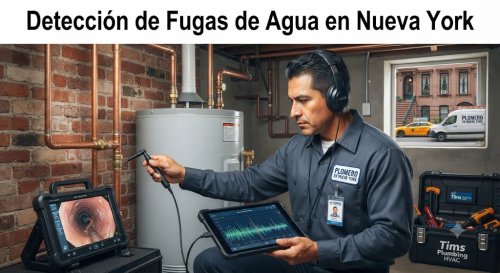
Electronic Leak Detectors: Acoustic listening devices that track water escaping behind concrete and walls.
-
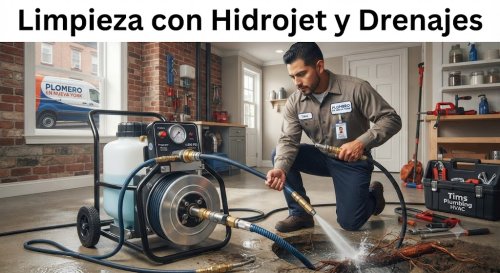
Hydro Jetting Equipment: High-pressure water blasters that scour out stubborn blockages in main sewer lines.
-
Moisture Meters & Thermal Cameras: Precision tools used to map hidden water pockets behind finished drywall.
How Long Does the Repair Usually Take?
Repair timelines vary based on the complexity and volume of the water intrusion.
-
Simple Pump Resets: 1 to 2 hours to clear a jammed impeller or replace a standard switch float.
-
Moderate Drainage Clearances: 3 to 5 hours when main floor drain blockages require professional snaking or jetting.
-
Major Remediation & Repairs: 1 to 2 days for extensive pump system replacements and structural water extraction.
Cost Factors
Plumbing repair costs fluctuate based on specific job site variables rather than flat-rate pricing.
-
Diagnostic Fees: Standard dispatch and evaluation charges to determine the source of water intrusion.
-
Accessibility: Hard-to-reach sub-floor drainage lines or cramped utility crawlspaces require extra labor.
-
Materials Required: Upgrading to heavy-duty cast-iron sump pumps or specialized check valves.
-
Emergency Dispatch Rates: After-hours, weekend, or holiday callout charges.
-
Permit Costs: Local municipal permit fees required for major plumbing and electrical overhauls.
Hidden Truths Homeowners Should Know
-
Small seepage issues escalate into thousands of dollars in structural rot within days.
-
Cheap temporary extension hoses or bucket bailing are strictly short-term band-aids that fail during heavy storms.
-
Homeowners insurance policies frequently deny claims if water damage stems from neglected sump pump maintenance.
-
Hard water deposits accelerate mineral buildup, quietly choking off discharge lines and ruining pump motors.
-
Delaying professional service invites hazardous black mold growth that threatens indoor air quality.
15 Common Mistakes Homeowners Make
-
Ignoring slow perimeter dampness until standing water accumulates.
-
Relying on caustic chemical drain cleaners for main sewer line backups.
-
Flushing non-disposable wet wipes that overload residential sewer ejector systems.
-
Pouring cooking grease down sinks, compounding kitchen line backups.
-
Neglecting routine semi-annual sump pump operational tests.
-
Hiring unlicensed handymen for complex subterranean drainage repairs.
-
Skipping annual preventative maintenance inspections before hurricane season.
-
Waiting for a total system failure during a storm before seeking help.
-
Using mismatched discharge pipe diameters that strain pump motors.
-
Over-tightening utility connections and cracking plastic housings.
Maintenance Tips
-
Test your sump pump quarterly by pouring a bucket of water into the basin to ensure it activates smoothly.
-
Install a battery-backed secondary sump pump system to protect against power outages during severe storms.
-
Extend exterior downspouts at least six feet away from your foundation to prevent pooling.
-
Schedule a professional plumbing inspection every year before peak rainy seasons begin.
-
Never pour fats, oils, or harsh chemicals down lower-level floor drains.
-
Clean intake screens on sump pumps regularly to prevent debris clogging.
-
Monitor your water meter during dry periods to catch hidden supply leaks early.
-
Keep emergency contact numbers for local plumbing professionals saved in your phone.
When Should You Call an Emergency Plumber?
-
Rapidly rising standing water covering basement floors.
-
Complete failure of primary and backup sump pump systems during heavy rainfall.
-
Sewage backing up directly through lower-level floor drains and toilets.
-
Major pipe ruptures flooding utility closets.
-
Persistent electrical tripping linked to damp utility outlets.
Frequently Asked Questions
-
Why is my water pressure suddenly low? Mineral scale buildup, a failing pressure regulator, or a hidden supply line leak typically cause sudden pressure drops.
-
How much does leak detection cost? Costs vary based on equipment needed, but electronic detection saves money by avoiding destructive exploratory demolition.
-
Can a clogged drain damage pipes? Yes, persistent clogs create extreme hydrostatic pressure that cracks older joints and weakens pipe walls.
-
Is hydro jetting safe for old pipes? A licensed plumber must inspect fragile historic lines first to ensure the high-pressure water stream won't damage them.
-
How do I know if my sewer line is broken? Frequent backups, foul odors, soggy lawn patches, and multiple slow drains signal a compromised sewer line.
-
How long do water heaters last? Standard tank water heaters typically last between 8 to 12 years with proper annual flushing.
-
Why does my faucet drip? Worn-out internal rubber washers, degraded O-rings, or corroded valve seats usually cause persistent dripping.
-
What causes pipes to burst? Extreme freezing temperatures, high internal water pressure, heavy root intrusion, and severe metal corrosion are primary culprits.
-
Can plumbing leaks increase my water bill? Even a small hidden leak wastes hundreds of gallons daily, driving up utility expenses significantly.
-
When should I replace plumbing instead of repairing it? Constant leaks, widespread pipe corrosion, or materials like lead and polybutylene warrant a full repipe.