How to Find a Hidden Water Leak in New Orleans
Learn how to find hidden water leaks in your New Orleans home. Discover warning signs, professional detection tools, and when to call a plumber.
How to Find a Hidden Water Leak in A New Orleans Home
Finding a hidden water leak in your home can feel like searching for a needle in a haystack. For property owners in New Orleans, from historic homes in the Garden District and Uptown to properties in Metairie and Kenner, hidden leaks are an insidious threat. Because moisture can silently degrade structural elements long before you ever notice a puddle, knowing how to spot and locate these leaks is vital.
Homeowners frequently search for hidden leak detection advice when they notice an unexplained spike in their utility bills or a faint sound of running water when all taps are closed. This comprehensive guide will walk you through why leaks happen, how to find them, and when it is time to call a professional plumber.
What Is a Hidden Water Leak?
A hidden water leak occurs when a pressurized supply pipe, a drain line, or a waterproofing seal fails behind a wall, underneath a concrete slab, above a ceiling, or underground in your yard.
Unlike a dripping faucet or an overflowing toilet, hidden leaks give no immediate visual cue. Common situations include a slow pinhole leak in a copper pipe behind drywall or a broken under-slab line in a home built on a concrete foundation. Symptoms often manifest slowly—such as musty odors, warped hardwood floors, peeling wallpaper, or a warm spot on a tile floor caused by a leaking hot water line.
Why Does This Plumbing Problem Happen?
Hidden plumbing leaks happen for several reasons, many of which are heavily influenced by the unique environment of Orleans and Jefferson Parishes.
1. Aging Pipes and Corrosion
Many older homes across New Orleans feature aging galvanized steel, polybutylene, or older copper pipes. Over decades, electrochemical reactions and material fatigue weaken pipe walls, leading to pinhole leaks.
2. High Water Pressure
Municipal water pressure can sometimes fluctuate or run too high. Excessive pressure places constant strain on pipe joints, valves, and elbows, eventually causing them to crack or rupture behind walls.
3. Shifting Soil and Foundation Movement
New Orleans' high water table and clay-heavy, shifting soils cause ground movement. This shifting can stress underground service lines or under-slab plumbing, pulling joints apart or snapping rigid pipes.
4. Hard Water and Mineral Scale
Our regional water characteristics can lead to mineral buildup inside pipes. Over time, scale accumulation causes localized corrosion and weakens pipe integrity from the inside out.
Signs You Should Never Ignore
Because hidden leaks do not announce themselves with gushing water, you must rely on subtle warning signs. Never ignore these critical red flags:
-
Unexplained High Water Bills: If your water consumption habits have not changed, but your municipal bill spikes dramatically, you likely have a hidden leak.
-
Warm Spots on Floors: A warm area on a concrete slab or tile floor often indicates a leaking hot water pipe running underneath.
-
Musty Odors and Mold Growth: Persistent damp smells or unexplained mold patches on lower walls point to slow moisture accumulation behind drywall.
-
Peeling Paint or Warped Wallpaper: Water tracking behind walls loosens paint and wallpaper adhesives, causing bubbling and peeling.
-
Sound of Running Water: If you hear water trickling or running when all fixtures are turned off, a pipe is actively leaking.
Common Plumbing Problems Related to This Issue
A hidden leak rarely stays isolated; it triggers a cascade of secondary property issues:
-
Slab Leaks: Underslab pipe failures that undermine your foundation.
-
Structural Rot: Water saturation rots wooden floor joists, studs, and subflooring.
-
Mold and Mildew Infestations: Posing serious indoor air quality and health risks.
-
Electrical Hazards: Leaks tracking into wall cavities can short-circuit electrical wiring.
Step-by-Step Professional Repair Process
When you hire a licensed plumbing team in the Greater New Orleans area, they follow a systematic approach to resolve hidden leaks:
Step 1: Initial Inspection The plumber evaluates water meter activity, reviews your utility bills, and listens to your description of symptoms.
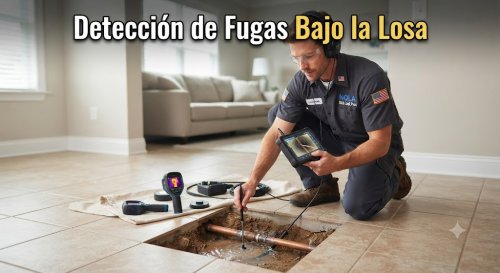
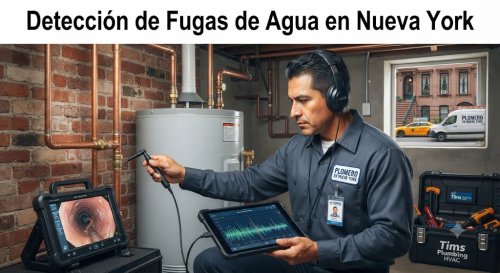
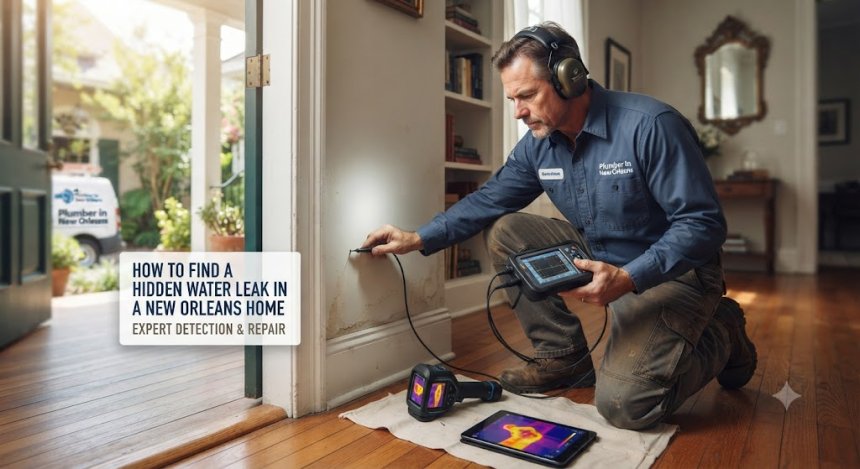
Step 2: Advanced Electronic Diagnosis Using acoustic listening devices, thermal imaging, and pressure testing, the plumber pinpoints the exact location of the leak without tearing up your home blindly.
Step 3: Upfront Estimate The technician explains the findings and provides a transparent, upfront cost estimate for the repair.
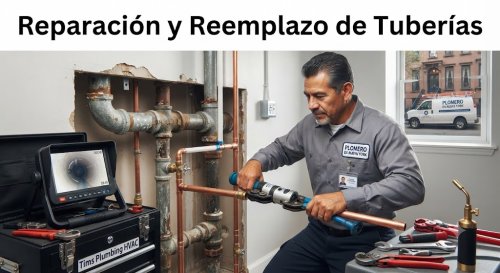
Step 4: Targeted Repair The plumber accesses the compromised section—whether through a minor drywall cutout, slab tunneling, or trenchless access—and repairs or replaces the damaged pipe.
Step 5: System Testing After the fix, the plumber repressurizes the plumbing system and monitors the water meter to verify the leak is fully resolved.
Step 6: Site Cleanup The work area is cleaned thoroughly, leaving your property tidy.
Step 7: Maintenance Advice The professional provides guidance on pressure regulation and preventative care to stop future leaks.
Can You Fix It Yourself?
Pinpointing and repairing a hidden leak behind a wall or beneath a concrete slab is not a DIY project.
Safe DIY Actions:
-
The Water Meter Test: Turn off all indoor and outdoor faucets, then check your water meter. If the leak indicator dial is spinning, you have a leak.
-
Process of Elimination: Turn off individual fixture supply valves one by one to see if the meter indicator stops, helping narrow down which appliance or line is leaking.
When DIY Becomes Dangerous:
Trying to locate a hidden leak by cutting holes into random drywall or jackhammering concrete floors without diagnostic tools leads to massive property damage and expensive repair bills. Furthermore, tampering with pressurized supply lines can cause major pipe bursts and indoor flooding. Always rely on licensed professionals with specialized acoustic and thermal equipment.
Tools Professionals Use
Modern professional plumbers use sophisticated, non-invasive technology to find hidden leaks quickly and accurately:
-
Acoustic Listening Devices: Highly sensitive electronic microphones that pick up the distinct sound of water hissing or escaping through a pressurized pipe underground or behind walls.
-
Thermal Imaging Cameras: Infrared cameras that detect temperature variations behind walls and under floors, easily spotting hidden hot or cold water leaks.
-
Line Pressure Testing Gauges: Tools attached to hose bibs or fixtures to isolate sections of the plumbing network and measure pressure drops.
-
Pipe Locators: Radio-frequency transmitters used to trace exact underground pipe paths and depth.
How Long Does the Repair Usually Take?
The duration of leak detection and repair depends on the complexity and location of the issue:
-
Leak Detection & Pinpointing: Usually takes 1 to 3 hours using acoustic and thermal equipment.
-
Simple Wall Pipe Repair: Replacing a leaking section behind drywall takes roughly 2 to 4 hours.
-
Major Slab Leak Repair: Accessing and repairing an under-slab pipe can take 1 to 3 days depending on excavation requirements.
Cost Factors
Plumbing repair costs vary depending on the severity of the problem, accessibility, materials required, emergency service, property type, and local labor rates.
Key elements influencing the final cost include:
-
Diagnostic and Detection Fees: Specialized equipment costs for locating hard-to-find leaks.
-
Location and Accessibility: A leak behind an accessible closet wall costs less to fix than one buried deep beneath a concrete foundation or luxury tile floor.
-
Extent of Pipe Damage: Spot repairing a pinhole leak is faster than replacing an entire corroded pipe run.
-
Restoration Requirements: Drywall patching, painting, or flooring replacement after the plumbing repair.
Hidden Truths Homeowners Should Know
Keep these practical realities in mind regarding hidden leaks:
-
Small Leaks Become Expensive Repairs: A minor pinhole leak left unchecked will eventually rot framing and ruin flooring.
-
Cheap Temporary Fixes Fail: Epoxy patch kits or tape applied to pressurized supply pipes under pressure always fail.
-
Insurance Limitations: Standard homeowners insurance may cover sudden water damage from a burst pipe, but it frequently excludes long-term damage caused by neglected slow leaks.
-
Hidden Utility Spike: Even a tiny drip wastes thousands of gallons over months, inflating utility bills.
-
Mold Development: Hidden moisture breeds toxic mold colonies within 24 to 48 hours.
-
Annual Maintenance Saves Money: Professional checkups catch failing pressure regulators or degrading pipes early.
15 Common Mistakes Homeowners Make
Avoid these frequent pitfalls to protect your plumbing system:
-
Ignoring High Water Bills: Brushing off a rising utility bill as a municipal rate hike.
-
Using Chemical Drain Cleaners for Leaks: Chemical cleaners do nothing for supply line leaks and damage pipes.
-
Hiring Unlicensed Handymen: Risking improper repairs and code violations.
-
Skipping Regular Meter Checks: Failing to monitor baseline water usage.
-
Ignoring Water Pressure Problems: Allowing high pressure to stress pipe joints unchecked.
-
Delaying Leak Investigations: Waiting until structural damage appears.
-
Over-Tightening Fixture Fittings: Causing stress fractures on supply connectors.
-
Using Wrong Pipe Materials: Mixing incompatible metals that accelerate corrosion.
-
Neglecting Main Shut-Off Valves: Not knowing how to shut off water during a sudden emergency.
-
Ignoring Musty Odors: Writing off damp smells as humidity.
-
Covering Up Wall Stains: Painting over water stains without finding the source.
-
Skipping Professional Inspections: Buying older homes without a thorough plumbing scope.
-
Ignoring Warm Floor Spots: Failing to investigate unexpected temperature shifts on floors.
-
Attempting DIY Slab Access: Trying to break concrete without professional locating tools.
-
Failing to Maintain Pressure Regulators: Allowing municipal pressure spikes to enter household lines unchecked.
Maintenance Tips
Protect your home with these practical preventative strategies:
-
Monitor Your Water Meter: Check your meter periodically when no water is running.
-
Install a Pressure Reducing Valve (PRV): Ensure your home pressure stays within a safe range (typically 50–70 PSI).
-
Inspect Visible Pipes Regularly: Check under sinks and around your water heater for signs of moisture.
-
Know Your Shut-Off Valve: Ensure everyone in the household knows how to turn off the main water supply immediately.
-
Schedule Annual Plumber Checkups: Have a professional evaluate your plumbing system periodically, especially in older New Orleans properties.
When Should You Call an Emergency Plumber?
Call an emergency plumber immediately if you encounter:
-
Major Pipe Bursts: When a supply pipe ruptures and floods indoor living spaces.
-
Uncontrollable Leaks: When the main shut-off valve fails to stop a major indoor leak.
-
Flooding: Rapid accumulation of water threatening your home's foundation or electrical system.
Frequently Asked Questions
Why is my water pressure suddenly low? Sudden low pressure can be caused by a main service line restriction, a partially closed shut-off valve, or a hidden leak. A professional pressure test will identify the root cause.
How much does leak detection cost? Leak detection costs vary based on pipe accessibility and whether specialized electronic listening or thermal imaging equipment is required. Reputable providers offer clear upfront rates.
Can a clogged drain damage pipes? Yes. Persistent blockages increase internal hydrostatic pressure, causing joints to leak, seals to blow, or weakened pipes to crack.
Is hydro jetting safe for old pipes? When performed by a trained professional following a pre-inspection camera check to verify structural integrity, hydro jetting is safe and exceptionally effective for restoring old lines.
How do I know if my sewer line is broken? Key indicators include multiple slow drains, gurgling sounds, unpleasant sewage odors in the yard, and lush, damp patches of grass over the pipe path.
How long do water heaters last? Standard tank water heaters typically last between 8 to 12 years, depending on maintenance, water hardness, and anode rod replacement.
Why does my faucet drip? Dripping faucets are usually caused by worn-out rubber washers, O-rings, or corroded valve seats inside the fixture handle.
What causes pipes to burst? Pipes typically burst due to extreme internal pressure spikes, severe clogs, physical ground shifting, or freezing temperatures.
Can plumbing leaks increase my water bill? Absolutely. Even a small, hidden underground leak can waste thousands of gallons over a billing cycle, driving utility costs up drastically.
When should I replace plumbing instead of repairing it? If your pipes experience frequent recurring failures, extensive corrosion, or widespread material degradation, replacement is far more cost-effective long-term than endless patch repairs.
Why Choose Our Plumbing Company
When you partner with Plumber in New Orleans, you get a dedicated team committed to excellence:
-
Experienced Licensed Plumbers: Fully certified professionals trained in local plumbing codes.
-
Honest Recommendations: Straightforward advice tailored to your home's actual needs.
-
Upfront Estimates: Transparent pricing with zero hidden fees or surprise charges.
-
Fast Response & Emergency Availability: Ready to assist across New Orleans, Metairie, Kenner, and surrounding neighborhoods 24/7.
-
Modern Equipment: Utilizing state-of-the-art acoustic detectors and thermal imaging tech.
-
Local Expertise: Deep familiarity with New Orleans soil, historical architecture, and municipal infrastructure.