How to Prevent Plumbing Problems During Heavy Rain in NOLA
Protect your New Orleans home from heavy rain plumbing issues. Learn how to stop sewer backups, drain clogs, and storm flooding before storms hit.
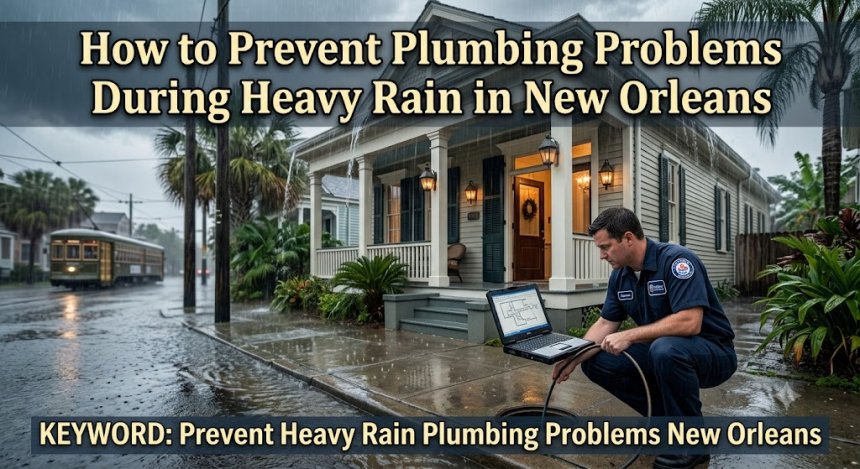
How to Prevent Plumbing Problems During Heavy Rain in New Orleans
New Orleans weather is famous for sudden, intense downpours that drop inches of rain in a matter of minutes. While locals are used to watching streets fill up during afternoon summer storms or Gulf weather events, many homeowners don't realize that their indoor plumbing is fighting an uphill battle against the storm outside.
During heavy rain, the municipal drainage system operates at maximum capacity. When groundwater levels rise rapidly, thousands of gallons of stormwater push into underground sewer lines, creating pressure that sends water right back toward your home's foundation and interior drains. Understanding how your plumbing reacts during heavy rain events—and taking simple, practical steps before the storm season hits—can save you thousands of dollars in water damage restoration and structural repairs.
What Is Heavy Rain Plumbing Damage?
Heavy rain plumbing damage occurs when severe rainfall overpowers your property's drainage infrastructure, local sewer mains, or soil absorption capacity. Instead of wastewater flowing out through your main drain stack to the city sewer, rising water tables create reverse pressure, causing drains to slow down or send sewage backward into low-lying fixtures.
Common Situations During NOLA Downpours
-
Shower and Tub Backups: Water bubbling up through ground-floor tub drains while it rains outside.
-
Sluggish Toilets: Toilets gurgling or failing to flush completely during heavy storms.
-
Sump Pump Overload: Sump pumps running continuously or burning out under high groundwater volume.
-
Underground Line Shift: Saturated soil expanding and putting physical pressure on buried clay or cast-iron drain lines.
Why Does Heavy Rain Cause Plumbing Problems in New Orleans?
New Orleans plumbing systems face structural challenges due to local geology and aging city infrastructure.
                                HEAVY RAIN STORM
                                       |
        +------------------------------+------------------------------+
        |                              |                              |
        v                              v                              v
 MUNICIPAL OVERFLOW             SOIL SATURATION               TREE ROOT EXPANSION
City storm lines fill,      Saturated clay expands,       Roots seek storm water,
creating backpressure on    shifting underground pipes   blocking pressurized main
private sewer laterals       and opening pipe joints      drain lines
-
Ground Saturation and Shifting Soil: New Orleans sits on soft, alluvial soil with a high clay content. Heavy rain saturates the soil, causing it to swell and shift. This movement puts stress on aging underground sewer lines, leading to cracks, misaligned joints, or collapsed pipes.
-
Municipal Sewer Surcharge: During major rainstorms, rainwater infiltrates municipal sewer mains. When public mains fill beyond capacity, wastewater takes the path of least resistance—which often leads directly into residential service lines.
-
Tree Root Intrusion: Tree roots actively seek water sources. In dry months, roots breach tiny cracks in underground pipes; when heavy rains arrive, those same roots trap debris, creating solid blockages just as water volume surges.
-
Aging Cast-Iron and Clay Lines: Many historic properties across the French Quarter, Garden District, Uptown, and Mid-City still use legacy clay or cast-iron drain stacks. These materials are susceptible to severe scaling, cracking, and water intrusion during severe weather.
Signs You Should Never Ignore Before or During Heavy Rain
-
Gurgling Sounds in Toilets or Drains: Hearing air bubbles popping in your toilet when running the bathroom sink indicates trapped pressure in the vent or sewer line.
-
Multiple Slow Drains: If a single sink is slow, it's a isolated clog; if your shower, sink, and toilet all drain sluggishly at once, your main line is struggling.
-
Foul Sewage Odors: Smelling sewer gas near floor drains or out in your yard means waste gas is being forced back through dried-out traps or cracked lines.
-
Standing Water Near Cleanout Cap: Water pooling around your main yard cleanout cap suggests the sewer lateral is already full and unable to discharge into the street.
-
Sump Pump Constant Running: A sump pump that never cycles off during light rain will likely fail during a major downpour.
-
Dampness or Mold on Sub-Level Concrete: Moisture seeping up through concrete slabs during storms indicates high hydrostatic groundwater pressure under your foundation.
Common Plumbing Issues Related to Heavy Rain
+--------------------------+---------------------------------------------------------+
| Related Issue            | Primary Risk Factor During Heavy Rain                   |
+--------------------------+---------------------------------------------------------+
| Sewer Line Backups       | Municipal line surcharge pushing waste into ground drains|
| Sump Pump Failures       | Continuous electrical load causing mechanical failure   |
| Yard & Slab Leaks        | Saturated soil shifting and snapping rigid supply lines |
| Roof Vent Blockages      | Storm debris blocking vent stacks and stopping airflow  |
| Foundation Drainage Clogs| Silted perimeter drains forcing water through walls     |
+--------------------------+---------------------------------------------------------+
Step-by-Step Professional Prevention and Repair Process
When you call a licensed plumber to storm-proof your plumbing or handle storm damage, they follow a systematic process:
+---------------------+     +---------------------+     +---------------------+
| STEP 1: INSPECTION  | --> |  STEP 2: DIAGNOSIS  | --> |   STEP 3: ESTIMATE  |
| Camera inspection   |     | Identify line leaks,|     | Transparent repair  |
| of main sewer line  |     | roots, or sags      |     | options and costs   |
+---------------------+     +---------------------+     +---------------------+
                                                                   |
+---------------------+     +---------------------+     +----------v----------+
|  STEP 7: ADVICE     | <-- |   STEP 6: CLEANUP   | <-- |   STEP 4: REPAIR    |
| Ongoing seasonal    |     | Sanitize work area  |     | Install backflow    |
| maintenance plan    |     | and test drains     |     | valves or clear line|
+---------------------+     +---------------------+     +---------------------+
-
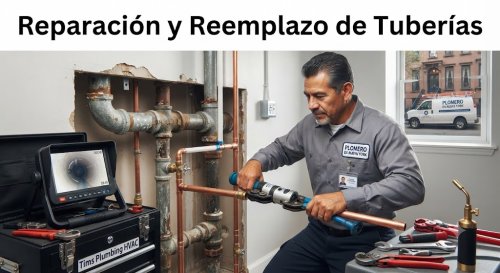
Full Camera Inspection: Technicians run a fiber-optic camera through your main cleanout to evaluate pipe integrity, check for root blockages, and find hidden sags.
-
System Diagnosis: The plumber assesses whether issues stem from private line damage, root intrusion, or lack of backflow protection.
-
Upfront Estimate: You receive a detailed breakdown of costs for line cleaning, repair, or protective valve installation.
-
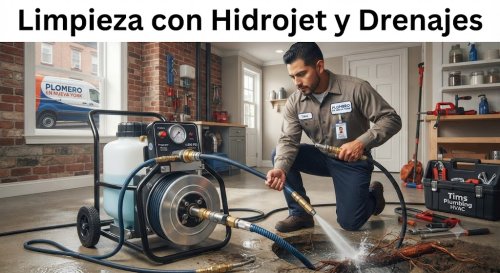
Targeted Clearing/Repair: High-pressure hydro jetting removes grease, sediment, and roots. If necessary, a backflow prevention valve is installed on your main drain.
-
Flow Testing: The team tests the system under heavy flow conditions to ensure water moves out smoothly.
-
Cleanup and Sanitization: Work areas are thoroughly sanitized after repairs are complete.
-
Maintenance Plan: The plumber provides a preventive maintenance schedule customized for your property's layout and age.
Can You Fix Heavy Rain Plumbing Issues Yourself?
While major sewer line work requires a licensed technician, homeowners can take safe DIY preventive steps before storms arrive.
       +---------------------------------------------------------------+
       |                  SAFE DIY vs. PROFESSIONAL WORK               |
       +---------------------------------------------------------------+
       | SAFE PREVENTIVE DIY           | DANGEROUS / PROFESSIONAL-ONLY |
       +-------------------------------+-------------------------------+
       | * Clearing gutters and downspouts| * Installing sewer backflow valves|
       | * Testing sump pump floats    | * Hydro jetting main sewer lines|
       | * Checking yard drain covers  | * Snaking lines during active backup|
       | * Checking cleanout caps      | * Modifying underground piping|
       +-------------------------------+-------------------------------+
Safe DIY Measures
-
Clean Roof Gutters and Downspouts: Ensure roof water flows at least 5 to 10 feet away from your home's foundation to prevent soil saturation near underground pipes.
-
Test Your Sump Pump: Pour a bucket of water into the sump pit before storm season to verify the float switch engages and water pumps out cleanly.
-
Keep Outdoor Drain Grates Clear: Remove leaves, sediment, and lawn debris from driveway and patio drain grates.
When DIY Becomes Dangerous
-
Opening Cleanout Caps During Backups: Removing a yard cleanout cap while the city main is backed up can release pressurized sewage, creating health risks and property damage.
-
Using Chemical Drain Cleaners: Pouring chemical cleaners into slow drains during heavy rain traps harsh chemicals inside your pipes if the water stops moving entirely.
Tools Professionals Use for Heavy Rain Plumbing Protection
-
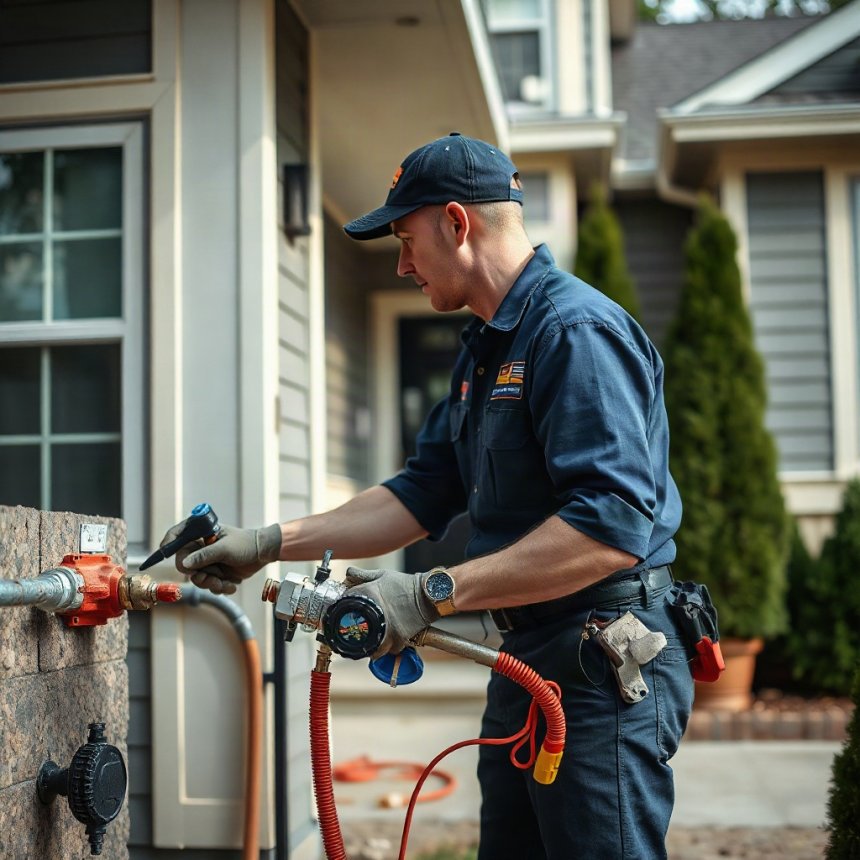
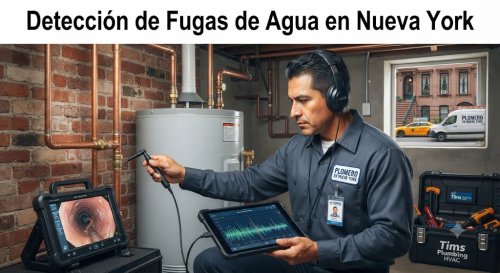
High-Definition Drain Cameras: Flexible fiber-optic cameras provide real-time visual inspection of line conditions up to 100+ feet deep.
-
Commercial Hydro-Jetting Equipment: High-pressure water equipment (3,000+ PSI) cuts through grease, tree roots, and packed storm silt without damaging pipe walls.
-
Backflow Prevention Valves: One-way check valves allow indoor wastewater to exit while automatically sealing shut if city main pressure tries to push water back in.
-
Submersible Utility & Sump Pumps: Heavy-duty, corrosion-resistant pumps with battery backups keep sub-level spaces dry during power outages.
How Long Do Repairs Take?
Repair timelines depend on pipe accessibility, ground saturation, and the extent of line damage.
+--------------------+---------------------+-----------------------------------------+
| Repair Type        | Average Timeframe   | Description                             |
+--------------------+---------------------+-----------------------------------------+
| Simple Maintenance | 1 - 2 Hours         | Sump pump testing, drain clear-outs     |
| Moderate Repair    | 2 - 4 Hours         | Hydro jetting main line, camera inspect |
| Major Installation | 4 - 8 Hours         | Backflow valve installation, line repair|
| Emergency Overhaul | 1 - 3 Days          | Main sewer line replacement or excavation|
+--------------------+---------------------+-----------------------------------------+
Cost Factors
Industry Note: Plumbing repair costs vary depending on the severity of the problem, accessibility, materials required, emergency service, property type, and local labor rates.
-
Diagnostic Requirements: Camera inspections add upfront diagnostic clarity, saving time and preventing unneeded digging.
-
Access Points: Properties with accessible yard cleanouts require less labor than those needing concrete cutting or deep excavation.
-
Emergency Service Charges: Calls made during active severe storms or outside standard business hours may incur emergency response rates.
-
Permitting Fees: Replacing main sewer lines or making municipal connections requires local parish permits and inspections.
Hidden Truths Homeowners Should Know
-
City Main Overflows Are Not Your Fault, But The Damage Is Your Responsibility: Municipalities rarely cover water damage caused by storm sewer surcharges unless negligence is proven. Installing a private backflow valve is your best protection.
-
Chemical Cleaners Fail Against Storm Backups: Chemical drain products cannot clear rain-induced main line surcharges and will damage your pipes.
-
Insurance Standard Policies Exclude Water Backup: Standard home insurance rarely covers water backup from sewers or drains unless you add an explicit sewer backup endorsement to your policy.
-
Roots Expand Rapidly in Storm Season: Roots expand inside lines during wet weather, turning minor hairline cracks into complete blockages.
-
Unchecked Moisture Causes Rapid Mold Growth: Toxic mold begins growing on damp drywall and subflooring within 24 to 48 hours of a sewage backup.
-
Annual Drain Flushing Saves Thousands: Preventive maintenance costs a fraction of an emergency flood cleanup and line restoration.
15 Common Mistakes Homeowners Make
-
Ignoring Gurgling Toilets Before Storms: Gurgling is an early warning that your sewer line is struggling to vent or discharge water.
-
Forgetting Sump Pump Battery Backups: Heavy rains often cause power outages; a pump without a backup battery stops working right when you need it most.
-
Flushing Wipes and Feminine Products: Non-flushable items snag on rough cast iron, accelerating main line clogs during high-water events.
-
Directing Downspouts Toward Foundation Walls: Dumping roof water right next to your home saturates the soil directly around underground drain lines.
-
Ignoring Tree Roots Near Sewer Mains: Planting large trees over sewer laterals leads to root intrusion and pipe damage.
-
Delaying Professional Inspections: Waiting until sewage backs up into your shower converts a minor maintenance visit into an expensive emergency response.
-
Using Chemical Drain Cleaners in Standing Water: Trapping corrosive chemicals inside slow drains damages pipe materials and creates hazards for plumbers.
-
Removing Cleanout Caps Indoors: Opening an indoor cleanout stack during a sewer surcharge allows waste to flood directly into your living space.
-
Pouring FATS, Oils, and Grease Down Kitchen Sinks: Grease hardens inside pipe walls, catching rain debris and restricting water flow.
-
Hiring Unlicensed Operators: Unlicensed work often fails local plumbing codes and can void home insurance coverage.
-
Neglecting Yard Drain Covers: Leaving yard drain grates uncovered allows leaves, dirt, and lawn clippings to clog underground storm lines.
-
Skipping Seasonal Flushes: Leaving sediment inside your system restricts pipe capacity before heavy storm seasons hit.
-
Ignoring Drop in Water Drain Speed: A gradual slowdown in drainage across all home sinks signals an impending main line failure.
-
Over-Tightening Cleanout Plugs: Stripping PVC or brass cleanout cap threads makes emergency access difficult during an active leak.
-
Assuming Insurance Automatically Covers Sewer Backups: Failing to review policy details leaves homeowners paying out-of-pocket for flood restoration.
Essential Storm Season Maintenance Tips
Spring & Summer Care (Pre-Storm Prep)
-
Schedule a professional main sewer line camera inspection every 1 to 2 years.
-
Install a backflow preventer on your main sewer line if your neighborhood experiences street flooding.
-
Test your sump pump every spring by filling the basin with water and verifying discharge.
-
Clear tree branches overhangs and clean roof gutters before summer downpours hit.
Fall & Winter Care
-
Clear fallen leaves and yard debris from lawn grates and perimeter drains.
-
Inspect exterior drain cleanout caps to make sure they are tightly sealed against storm runoff.
-
Verify that downspout extensions remain firmly attached and discharge water away from the foundation.
Year-Round Best Practices
-
Keep non-degradable items, grease, and hair out of household plumbing drains.
-
Keep a battery-operated backup power source connected to your primary sump pump.
-
Know the exact location of your home's main water shut-off valve and yard sewer cleanout.
When Should You Call an Emergency Plumber?
Call an emergency plumber immediately if you encounter any of these situation during or after heavy rain:
+-------------------------------------------------------------------+
|                  CRITICAL EMERGENCY INDICATORS                    |
+-------------------------------------------------------------------+
| [!] Wastewater Backing Up into Showers, Tubs, or Floor Drains     |
| [!] Water Rising Near Electrical Outlets or Major Appliances       |
| [!] Complete Failure of All Home Drains During a Storm            |
| [!] Sump Pump Overloaded or Burning Out During Heavy Rain         |
| [!] Sewage Odors Inside Lived Spaces                              |
+-------------------------------------------------------------------+
Taking action right away minimizes structural damage, prevents mold growth, and keeps your living space safe.
People Also Ask
-
Why does my toilet bubble when it rains?
Toilets bubble during heavy rain because the city sewer system or your private sewer line is filling with rainwater. Air becomes trapped in the pipes and forces its way up through the water in your toilet bowl.
-
Can heavy rain cause sewer backups?
Yes. Severe downpours saturate the ground and fill municipal sewer lines. Excess rainwater enters cracked sewer pipes, forcing wastewater back up through residential drain lines.
-
How do I protect my drains during a heavy storm?
The most effective long-term protection is installing a sewer backflow preventer. Short term, keep gutters clean, avoid running washing machines or dishwashers during heavy downpours, and ensure yard drains are free of debris.
-
Should I run water during heavy rainfall?
It is best to limit water use during intense rainstorms. Reducing dishwasher, laundry, and shower use decreases the load on your home's drain lines when the municipal system is already under pressure.
Voice Search Questions
-
Who do I call if sewage backs up in my house during a rainstorm?
Call a licensed 24/7 emergency plumber immediately to inspect your main drain line and isolate the backup.
-
Why is water coming up through my shower drain when it rains outside?
Water coming up through your shower drain indicates that your main sewer line is blocked or that the city sewer system is overflowing and pushing wastewater back into your low-lying fixtures.
-
How much does it cost to install a sewer backflow valve in New Orleans?
Costs vary depending on pipe depth, yard accessibility, and local parish permit requirements. A licensed plumber can provide an accurate estimate after a site visit.
Frequently Asked Questions
Why is my water pressure suddenly low?
A sudden drop in water pressure across all fixtures points to a main supply line leak, a municipal supply issue, or a failing pressure-reducing valve.
How much does leak detection cost?
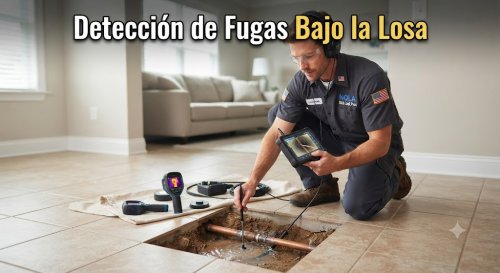
Costs vary based on property layout and accessibility. Professional leak detection uses acoustic sensors and thermal imaging to locate hidden leaks without tearing up walls.
Can a clogged drain damage pipes?
Yes. Blockages trap standing water inside pipes, increasing joint pressure and forcing wastewater through pipe seams.
Is hydro jetting safe for old pipes?
Hydro jetting is safe when preceded by a camera inspection. Plumbers adjust water pressure to clear debris without damaging older cast iron or clay lines.
How do I know if my sewer line is broken?
Key indicators include persistent sewage smells, multiple slow drains, lush patches of grass over buried lines, and recurring waste backups in low-lying fixtures.
How long do water heaters last?
Tank-style water heaters generally last 8 to 12 years. Tankless models can last 20 years or more with routine maintenance.
Why does my faucet drip?
Dripping faucets are usually caused by worn O-rings, deteriorated rubber washers, or corroded valve seats inside the handle assembly.
What causes pipes to burst?
Pipes burst from severe water pressure surges, thermal expansion during sudden freezes, ground movement, and advanced physical corrosion.
Can plumbing leaks increase my water bill?
Yes. Even a small hidden pinhole leak running continuously can waste thousands of gallons a month, causing spikes in your utility bill.
When should I replace plumbing instead of repairing it?
Replace your plumbing if pipes suffer from chronic leaks, extensive internal corrosion, visible rusting, low flow from mineral scale, or if materials have reached the end of their useful service life.
Why Choose Plumber in New Orleans
When heavy rain threatens your property's plumbing, you need a local team that understands New Orleans' geography, drainage systems, and building codes.
At Plumber in New Orleans, we help homeowners and business owners protect their properties before and during major storm events:
-
Experienced Licensed Plumbers: Our technicians understand the local water table, soil conditions, and historic plumbing systems.
-
Honest Recommendations: We inspect your system thoroughly and recommend only the repairs or preventive steps you actually need.
-
Upfront Estimates: We provide clear, itemized pricing before starting any work—no hidden fees or surprises.
-
24/7 Emergency Availability: Storms don't keep business hours, and neither do we. Our team is available around the clock when emergency backups occur.
-
Modern Diagnostic Equipment: We use high-definition drain cameras and commercial hydro-jetting units to diagnose and fix drain issues fast.
-
Local Expertise: Serving the French Quarter, Garden District, Uptown, Mid-City, Lakeview, Metairie, Kenner, Gretna, and surrounding communities across Orleans and Jefferson Parishes.
Service Area
Serving New Orleans, Metairie, Kenner, Algiers, Gretna, Harvey, Marrero, Chalmette, River Ridge, and Harahan.
Plumber in New Orleans