Common Causes of Water Leaks in Historic New Orleans Homes
Discover the leading causes of water leaks in historic New Orleans properties and learn how local plumbing challenges impact older piping systems.

Owning a historic home in New Orleans comes with undeniable architectural charm, from intricate millwork to soaring ceilings and raised foundations. However, these centuries-old or mid-century properties also present unique plumbing challenges. The combination of aging infrastructure, shifting delta soils, and a humid subtropical climate creates an environment where water leaks are a frequent hazard. Understanding the root causes of plumbing leaks in older New Orleans properties helps property owners protect their investments from costly structural damage.
Aging and Corroded Piping Materials
Many older residences throughout Uptown, the French Quarter, and Faubourg Marigny still rely on outdated piping materials that have long exceeded their design life span. Galvanized steel pipes, cast iron drain lines, and even early iterations of copper can degrade significantly over decades.
- Galvanized Steel: Over time, mineral buildup restricts water flow inside galvanized pipes, leading to internal rust and eventual pinhole leaks.
- Cast Iron: Frequently used for older sewer and drain lines, cast iron is susceptible to internal scaling, cracking, and exterior soil corrosion, particularly in damp southern soils.
- Polybutylene and Old Brass: Homes updated in the late 20th century may contain brittle plastic fittings or worn brass unions that fail without warning.
Shifting Delta Soils and Foundation Movement
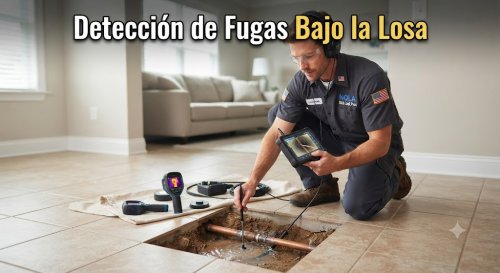
New Orleans sits on a high-water table with predominantly clay and silt soils that expand and contract dramatically depending on rainfall and drought cycles. Raised Creole cottages and historic homes built on brick piers or slab foundations experience ongoing ground movement. As the ground shifts, rigid supply pipes and underground sewer lines undergo severe stress, leading to joint separation, cracked pipes, and hidden slab leaks.
High Water Pressure and Thermal Stress
Municipal water pressure supplied to various neighborhoods can fluctuate, and excessive pressure places constant strain on aging supply lines and fixture connections. When older valves, water heater connectors, and supply lines experience daily pressure spikes and thermal expansion, microscopic weaknesses quickly turn into active leaks behind walls or beneath floors.
Subtropical Humidity and Condensation Issues
While not a traditional pipe failure, the intense New Orleans humidity frequently causes heavy condensation on uninsulated cold water supply lines running through crawlspaces, attics, and interior walls. Over time, dripping condensation mimics a slow plumbing leak, rotting subfloors, dampening insulation, and promoting mold growth.
Spotting the Warning Signs of Hidden Leaks
Because historic homes feature lath-and-plaster walls, hardwood floors, and elevated crawlspaces, water leaks are not always immediately visible. Property owners should monitor for key indicators:
- Unexplained increases in monthly water bills
- Musty, damp odors lingering in specific rooms or hallways
- Discolored, buckling, or soft hardwood flooring
- Peeling paint or bubbling wallpaper
- The sound of running water when all fixtures are turned off
Proactive Leak Prevention Strategies
Maintaining a historic property requires vigilance. Scheduling routine plumbing inspections, installing modern pressure-reducing valves, insulating vulnerable supply lines against seasonal temperature shifts, and upgrading corroded sections of pipe before catastrophic failure occurs will preserve the integrity of both the plumbing system and the historic structure.