Hydro Jetting vs Traditional Drain Snaking in New Orleans
Compare hydro jetting and traditional drain snaking to find out which method is best for clearing stubborn clogs in your New Orleans home or business.
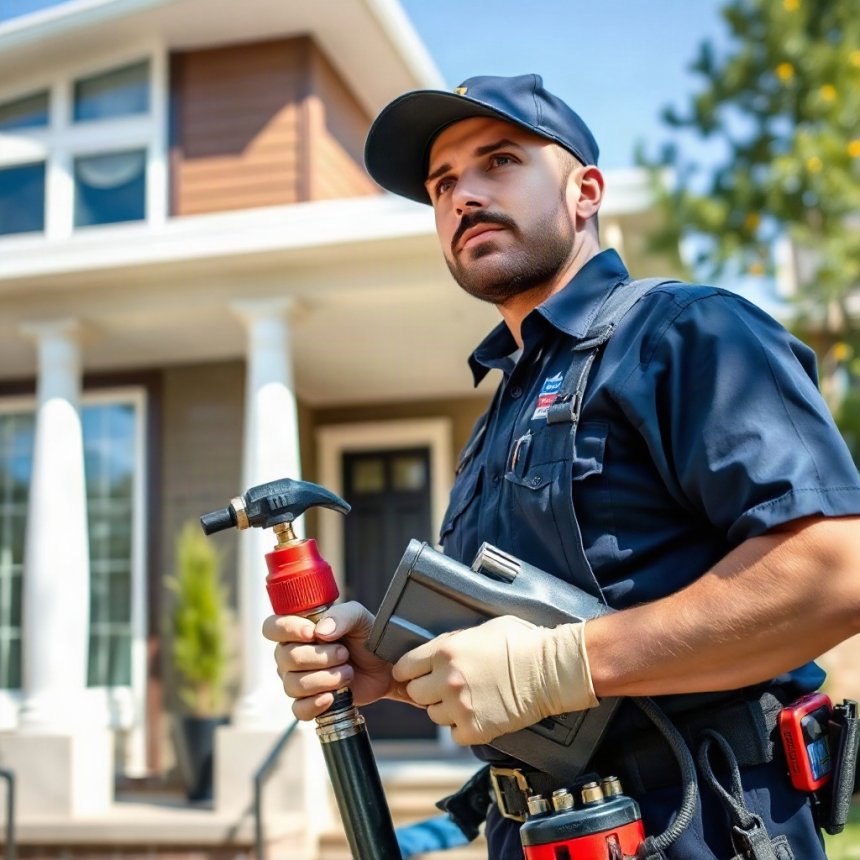
When a stubborn clog brings your plumbing system to a halt, choosing the right method to clear it can save you from recurring headaches and costly property damage. In New Orleans, properties face unique challenges ranging from historic cast-iron sewer lines settling in the delta silt to heavy grease accumulation in commercial restaurant kitchens. Two primary solutions are routinely deployed by professionals: traditional drain snaking and high-pressure hydro jetting. Understanding the differences between these two techniques helps property owners make informed decisions when maintaining their plumbing infrastructure.
Understanding Traditional Drain Snaking
Traditional drain snaking, often referred to as cabling or rodding, utilizes a flexible steel cable equipped with a specialized cutting head at the tip. A plumber feeds this cable into the drain or cleanout, navigating it through the pipe until it reaches the obstruction. Once engaged, the rotating head either punches a hole through the clog or hooks onto the debris to pull it back out.
When Drain Snaking Works Best
Snaking is a fast, highly effective solution for localized blockages. If a single fixture—such as a kitchen sink, bathroom lavatory, or bathtub—is backed up due to a specific intrusion like hair, soap scum, or a foreign object, a standard snake can quickly break up the obstruction and restore normal flow.
Limitations of Snaking
While an auger is invaluable for clearing simple clogs, it has distinct limitations. A snake essentially punches a pathway through the center of the blockage, leaving behind the buildup clinging to the interior pipe walls. In older New Orleans properties featuring aging clay or cast-iron lines, these residual layers of grease, mineral scale, and sludge will quickly catch new debris, leading to repeated clogs.
The Power of Hydro Jetting
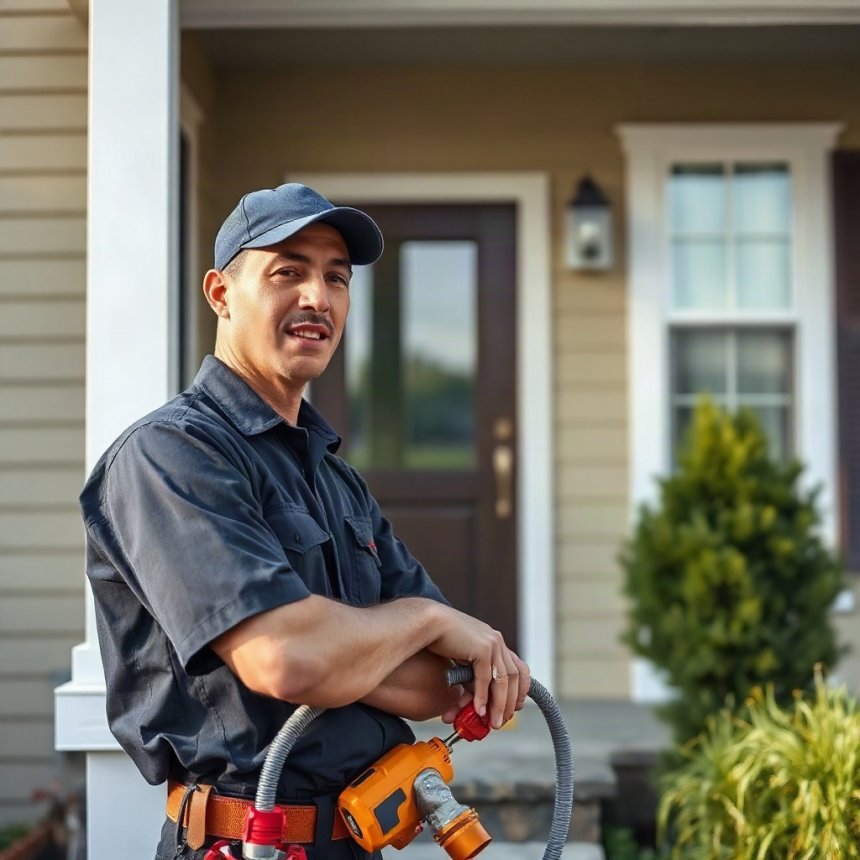
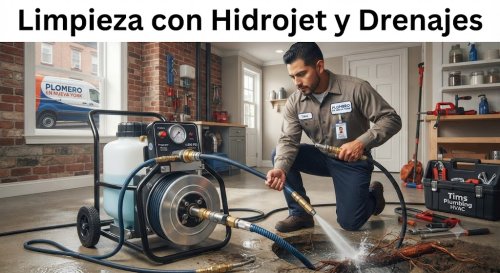
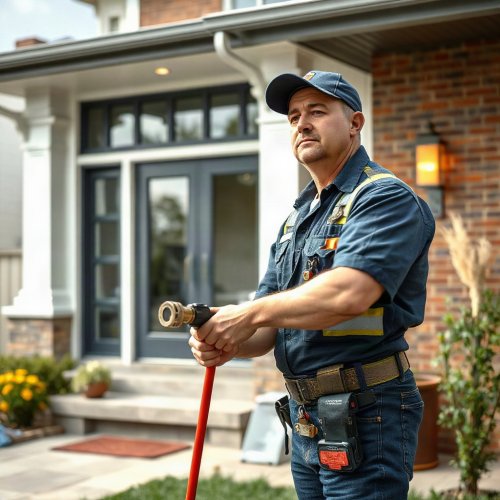
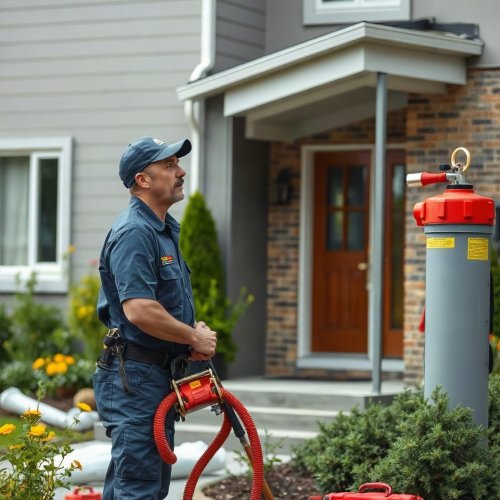
Hydro jetting is a modern, comprehensive cleaning method that uses high-pressure water streams to scour the entire interior circumference of a pipe. A specialized machine pumps water at pressures ranging from 1,500 to 4,000 psi through a heavy-duty hose fitted with a precision nozzle. The forward and rear-facing jets blast away all accumulated material, flushing it completely out of the system.
Ideal Scenarios for Hydro Jetting
Hydro jetting is the premier choice for severe blockages, heavy grease buildup, and preventative maintenance on main sewer lines. In bustling commercial settings like restaurants in the French Quarter or busy residential properties across the city, hydro jetting removes years of accumulated grease, organic waste, and scale down to the bare pipe wall.
Root Infiltration and Mineral Scale
Tree roots are a frequent culprit behind sewer line backups in neighborhoods with mature oak trees. While a snake can punch through roots temporarily, hydro jetting completely pulverizes root masses and strips the inner pipe walls clean. Furthermore, it effectively scours away scale buildup that naturally occurs over decades in municipal and private plumbing systems.
Comparing Effectiveness for New Orleans Properties
New Orleans plumbing systems operate under demanding conditions. High water tables, shifting soils, and a mix of historic and modern infrastructure mean that drain maintenance cannot follow a one-size-fits-all approach.
- Speed vs. Depth of Clean: Snaking offers a quick fix for localized blockages, whereas hydro jetting provides a deep, restorative clean for the entire line.
- Pipe Integrity: Older pipes require a professional video inspection before hydro jetting to ensure the material can withstand high pressure. Damaged or severely compromised pipes may require repair before aggressive cleaning.
- Long-Term Value: Although hydro jetting represents a more intensive service upfront, its ability to remove 100% of internal buildup drastically reduces the frequency of future emergency service calls.
Making the Right Choice
Deciding between hydro jetting and traditional drain snaking depends entirely on the nature of the blockage and the condition of your plumbing system. A localized obstruction in a branch line is usually best handled with a standard snake, while a sluggish main sewer line choked with grease, silt, or roots calls for the heavy-duty cleaning power of hydro jetting. Professional diagnosis ensures that your pipes receive the precise care they need to function reliably year-round.
Frequently Asked Questions
Can hydro jetting damage old New Orleans plumbing pipes?
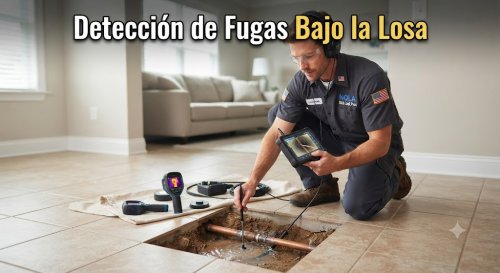
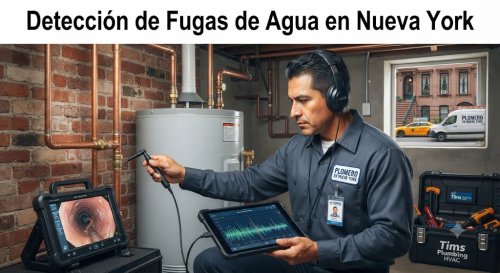
An experienced plumber always performs a video camera inspection before hydro jetting. If pipes are severely deteriorated, cracked, or structurally compromised, high-pressure water may not be appropriate. For sound cast-iron, PVC, or structurally rehabilitated pipes, hydro jetting is completely safe and highly effective.
How often should I schedule hydro jetting for a commercial property?
Commercial facilities, particularly restaurants and food service establishments, typically benefit from scheduled hydro jetting every 6 to 12 months to prevent catastrophic grease blockages and grease trap overflows.
Is a snake enough to clear tree roots from a sewer line?
A drain snake will clear a hole through tree roots, allowing water to flow temporarily. However, because it leaves the root fragments and root entry points intact, the roots will quickly grow back. Hydro jetting provides a much more thorough removal of root systems from inside the pipe.