Common Causes of Low Water Pressure in New Orleans Historic Homes
Discover why historic homes in New Orleans experience low water pressure, from aging galvanized pipes to mineral buildup, and how local plumbing solutions help.
Owning a historic home in neighborhoods like the French Quarter, Faubourg Marigny, or Uptown New Orleans comes with undeniable architectural charm. However, maintaining the infrastructure of a century-old property often presents unique challenges. One of the most frequent complaints homeowners bring to a New Orleans plumber is a sudden or progressive drop in water pressure. When your Victorian cottage or Creole townhouse struggles to deliver a steady stream from the showerhead or kitchen faucet, it is rarely just an annoying inconvenience—it is often a sign of underlying systemic plumbing issues.
The Legacy of Galvanized Steel Pipes
Many older residences throughout the city still contain remnants of their original plumbing systems, which frequently include galvanized steel supply lines. Installed decades ago, these pipes have a finite lifespan. Over time, zinc coatings erode, and internal corrosion begins to flake off, narrowing the interior diameter of the pipe. This mineral and rust accumulation severely chokes water flow before it ever reaches your fixtures. In a multi-story historic home, this restriction becomes glaringly obvious on upper floors where gravity already works against water delivery.
Mineral Buildup and Hard Water Effects
While the local water supply undergoes rigorous municipal treatment, regional water characteristics and aging infrastructure can still contribute to mineral accumulation inside home plumbing networks. Calcium and sediment deposits steadily build up inside aerators, showerheads, and valves. In older homes with complex piping layouts, these micro-restrictions accumulate throughout the entire network, dampening overall household pressure. Simple routine checks of faucet aerators often reveal thick crusts of scale that restrict delivery right at the point of use.
Aging Shut-Off Valves and Pressure Regulators
Historic properties have often undergone multiple rounds of partial renovations over the decades, resulting in a patchwork of mixed pipe materials, old gate valves, and outdated pressure-reducing valves (PRVs). A failing main water shut-off valve or a worn-out PRV can easily become stuck or partially blocked, restricting the volume of water entering the home. If your water pressure drops dramatically across every fixture simultaneously, evaluating the main line entry point is a critical first step for any local plumbing professional.
Hidden Leaks in Aging Sub-Slab or Crawlspace Lines
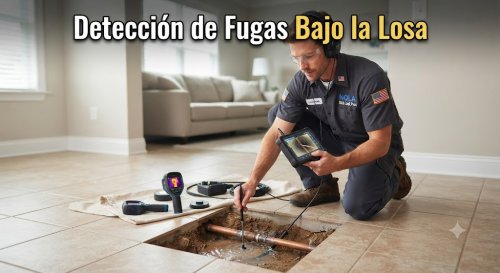
New Orleans features unique environmental conditions, including high water tables, shifting clay soils, and moisture-heavy crawlspaces. Historic foundations—whether raised brick piers or older slab retrofits—put stress on aging supply lines. Small pinhole leaks or joint failures in supply pipes hidden beneath floors or behind horsehair plaster walls divert water away from your fixtures. When a pressurized line develops a breach, the volume loss directly translates into a noticeable drop in household water pressure.
Diagnostic Steps for Historic Properties
Resolving low water pressure in a heritage property requires a methodical approach rather than a quick fix:
- Isolate the Problem: Determine whether the low pressure affects a single fixture, a specific bathroom, or the entire house.
- Inspect Fixtures: Unscrew sink aerators and showerheads to check for trapped sediment and scale.
- Examine Accessible Piping: Look at exposed pipes in the basement or crawlspace for signs of severe rust, bulging, or dampness.
- Professional Evaluation: Consult an experienced plumber in New Orleans who understands the nuances of vintage pipe materials and local municipal codes.
Modern Solutions for Vintage Plumbing
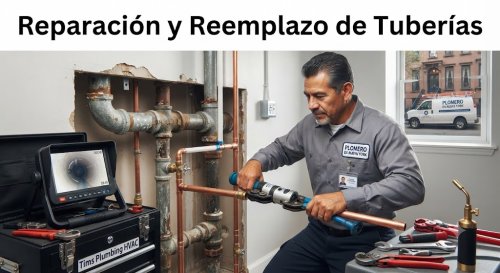
Updating a historic plumbing system does not mean sacrificing the character of your home. Modern repiping techniques using durable materials like PEX or copper can be routed discreetly through walls and cavities to bypass deteriorated galvanized lines. Addressing low water pressure restores daily comfort, protects your fixtures from strain, and preserves the structural integrity of your New Orleans property for years to come.