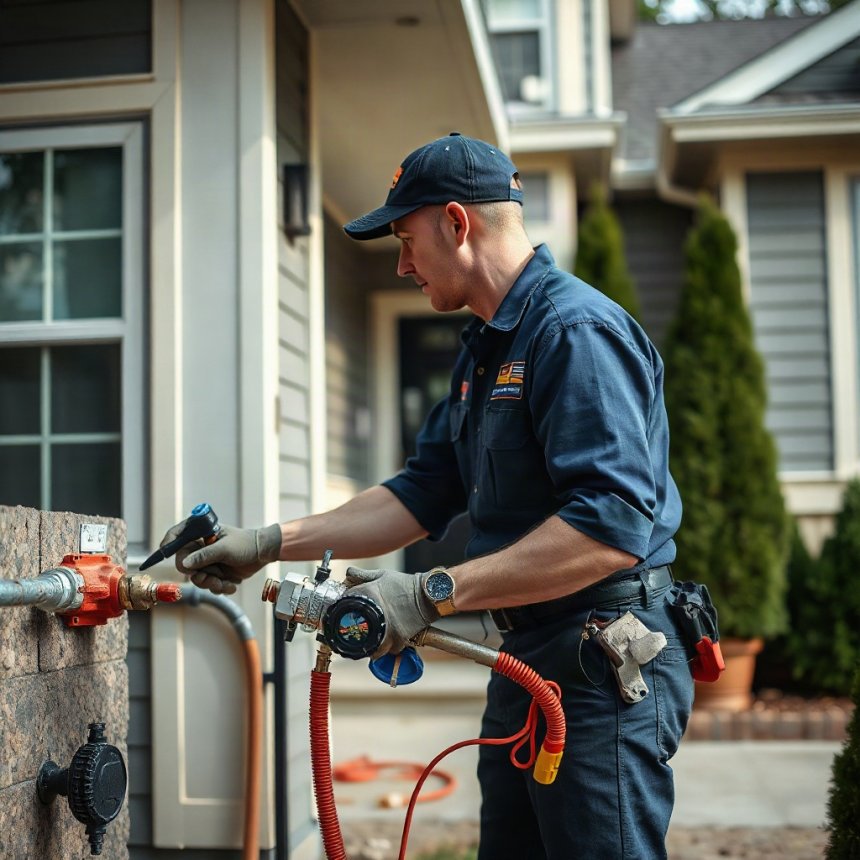
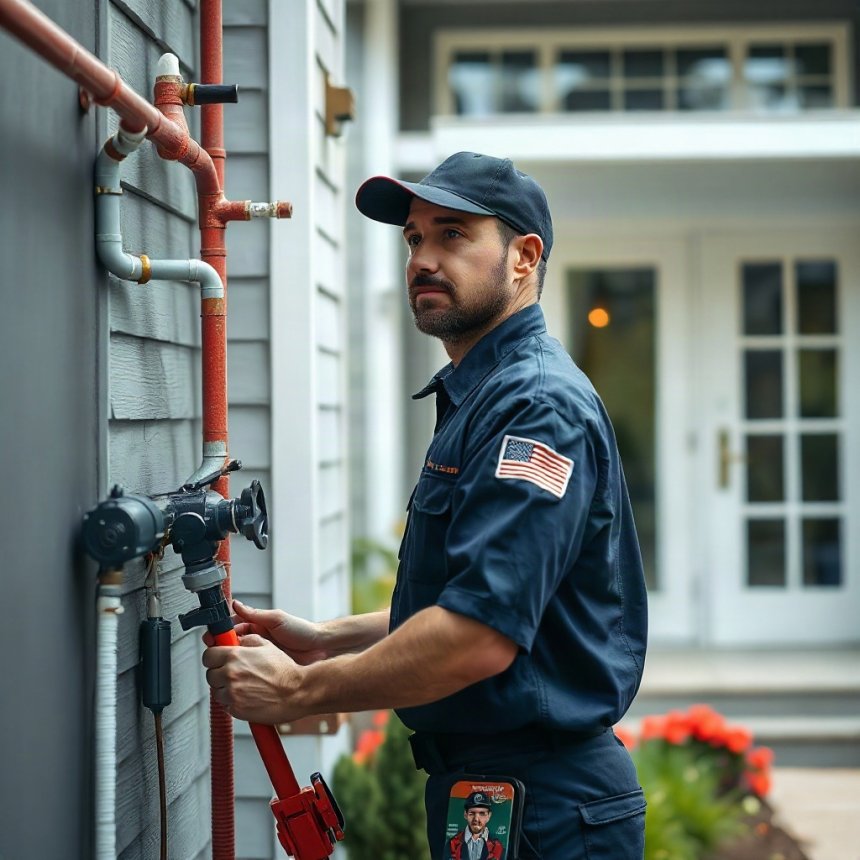
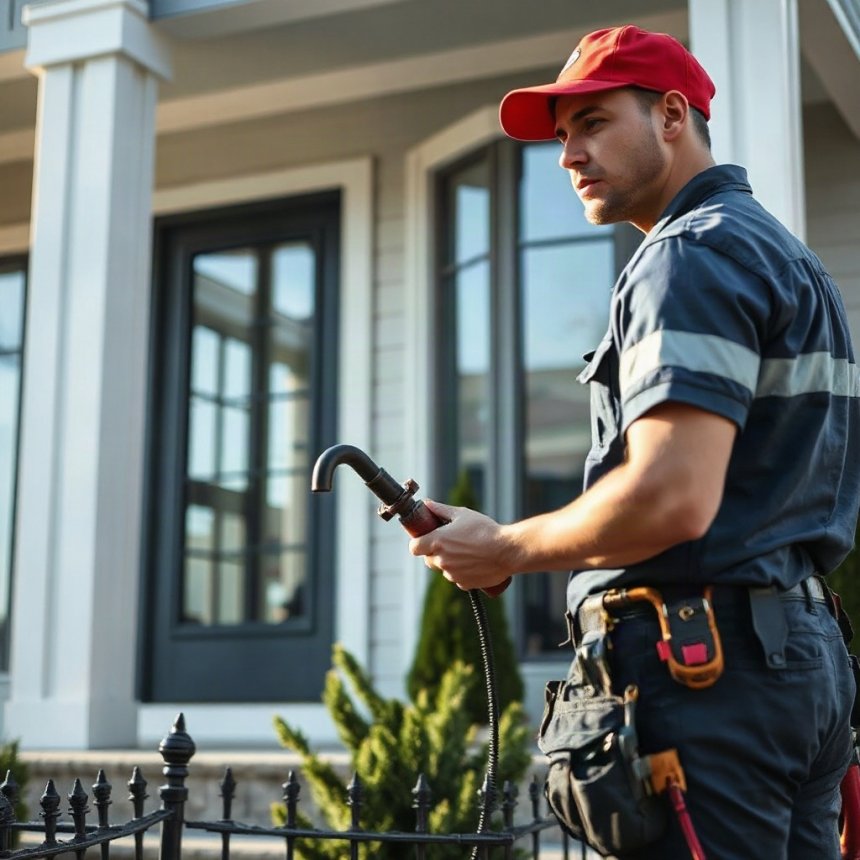
Sewer Backup in New Orleans: Causes, Fixes & What to Do
Description: Facing a sewer backup in New Orleans, LA? Learn what causes wastewater overflows, emergency steps to take, and how to choose a professional plumber.
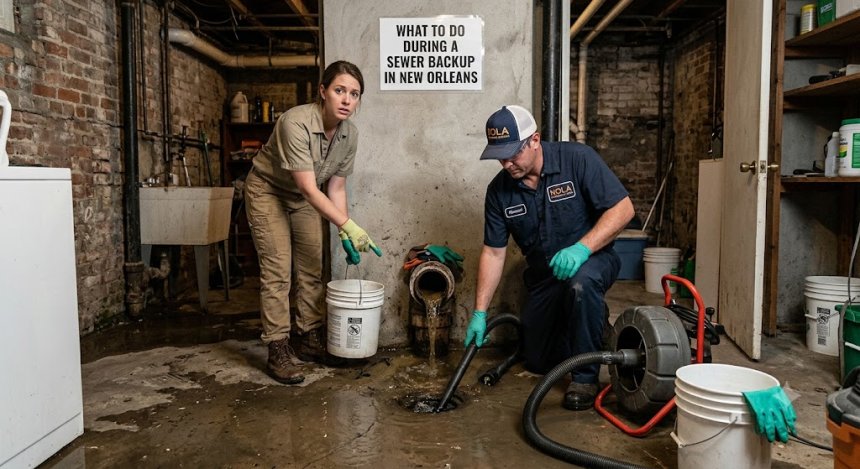
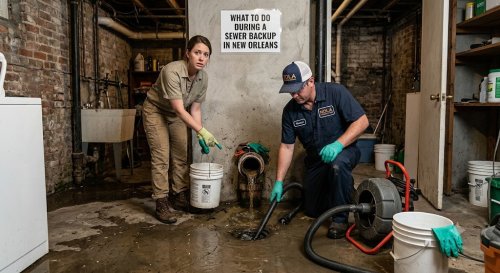
What to Do During a Sewer Backup in New Orleans
Introduction
Dealing with a sudden wastewater overflow is one of the most stressful experiences a property owner can face. For homeowners and business owners throughout New Orleans, LA, a sewer backup can turn daily life upside down in minutes. Whether you manage a historic property in the French Quarter, a raised home in Uptown, or a commercial space near Metairie or Kenner, an unexpected sewage backup demands immediate, calm, and informed action.
People search for guidance on sewer backups because they want to protect their family's health, minimize structural damage, and understand how to handle the crisis before a professional plumbing crew arrives. Because New Orleans sits below sea level with a complex, aging subterranean drainage and sewer infrastructure managed by the Sewerage and Water Board of New Orleans (SWBNO), understanding how to respond to backups is essential for every local resident.
What Is a Sewer Backup?
A sewer backup occurs when wastewater from the main municipal sewer line or your property’s private lateral line is forced backward instead of flowing away from the building, spilling out of low-level drains, toilets, and showers.
Common Situations Involving Sewer Backups
-
Whole-House Wastewater Flooding: Multiple plumbing fixtures—such as basement floor drains, ground-floor showers, and toilets—overflow simultaneously with dark, foul-smelling water.
-
Single-Fixture Surges: Only a lowest-level basement or ground-floor drain bubbles and overflows whenever another appliance, like a washing machine, discharges water.
-
Severe Yard Pooling: Soggy, foul-smelling sinkholes or standing wastewater appearing in the yard directly above the main sewer cleanout line.
Why Does This Plumbing Problem Happen?
Sewer backups are triggered by structural, environmental, or operational issues within the drainage network:
-
Aging and Collapsed Pipes: Decades-old clay, cast-iron, or Orangeburg sewer laterals crack, sag, or completely collapse under shifting local soils.
-
Aggressive Tree Root Infiltration: Fast-growing tree roots in New Orleans neighborhoods puncture pipe joints to feed on moisture, creating dense blockages that trap solid waste.
-
Grease and Fat Buildup: Pouring cooking oils and grease down kitchen sinks coats pipe interiors, catching debris and forming impenetrable clogs.
-
Improper Flushing Habits: Flushing non-flushable items such as wet wipes, paper towels, cotton swabs, and hygiene products down toilets.
-
Municipal Main Overloads: Heavy subtropical downpours and storm surges can overwhelm municipal sewer mains, pushing water backward into private service connections.
Signs You Should Never Ignore
Recognizing early warning signs can help you prevent a catastrophic wastewater overflow:
-
Gurgling Plumbing Noises: Hearing a bubbling or gurgling sound from toilets or drains when you run the sink or flush another toilet.
-
Multiple Slow Drains: When sinks, tubs, and showers throughout the house drain sluggishly at the same time.
-
Unpleasant Sewage Odors: Persistent, sulfurous sewer gas smells lingering around basement drains, floor traps, or yard cleanouts.
-
Lawn Depressions or Soggy Spots: Unusually lush, wet, or sunken grass patches directly over your buried sewer lateral line.
-
Pest Infestations: An unexplained surge in drain flies, rodents, or insects drawn to exposed organic waste inside pipes.
Common Plumbing Problems Related to This Issue
Sewer backups are frequently tied to broader plumbing complications throughout a property:
-
Main Lateral Blockages: Complete restrictions in the primary pipe connecting your home to the city main.
-
Broken Backwater Valves: Failing or absent check valves allowing municipal backflow to enter properties.
-
Structural Foundation Shifts: Settling soils causing sewer pipe offsets and joint separations.
-
Fixture Damage: Corroded or ruined toilets, tubs, and flooring requiring replacement after contamination.
Step-by-Step Professional Repair Process
When you hire a licensed plumbing expert to resolve a sewer backup, they follow a rigorous, methodical workflow:
-
Step 1: Emergency Inspection: Assessing the extent of the backup and identifying safety hazards like electrical risks or biohazard exposure.
-
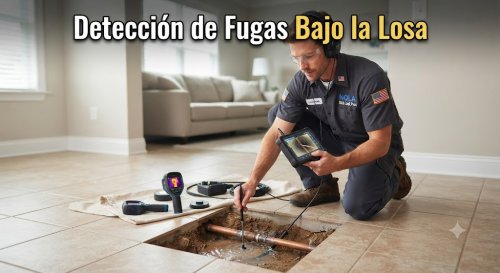
Step 2: Precise Diagnosis: Deploying high-resolution sewer cameras into the line to locate breaks, root masses, or heavy scale.
-
Step 3: Upfront Estimate: Providing a detailed, transparent breakdown of repair options, equipment required, and estimated costs.
-
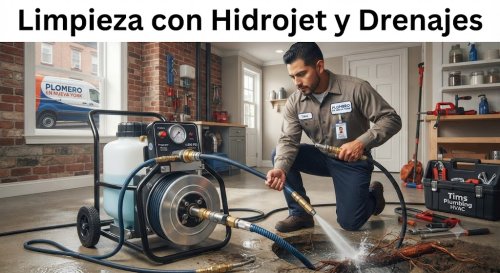
Step 4: Hydro Jetting or Clearing: Utilizing high-pressure water jetting or heavy mechanical augers to clear blockages safely.
-
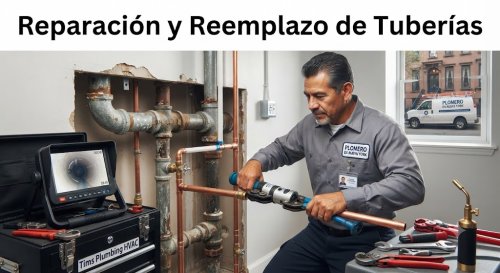
Step 5: Structural Repair or Replacement: Excavating or utilizing trenchless methods to repair broken, sagging, or collapsed sewer pipes.
-
Step 6: System Testing: Running comprehensive flow tests and follow-up camera inspections to verify proper drainage.
-
Step 7: Maintenance Advice: Offering expert guidance on how to prevent future backups and protect your lateral line.
Can You Fix It Yourself?
While minor slow drains can sometimes be addressed with basic plunger work, an active sewer backup is an extreme biohazard that requires professional intervention.
What Homeowners Can Safely Do
-
Immediately stop using all plumbing fixtures, washing machines, and showers to prevent adding more wastewater to the overflow.
-
Turn off your property's electricity at the main breaker if water is pooling near electrical outlets or panels.
-
Alert family members and pets to stay entirely clear of contaminated standing water.
When DIY Becomes Dangerous
Attempting to clear heavy tree roots or structural blockages with consumer drain snakes can wedge tools permanently inside damaged pipes or rupture weakened lines. Furthermore, direct contact with raw sewage exposes individuals to dangerous pathogens, making professional protective equipment and sanitization protocols mandatory.
Tools Professionals Use
Professional plumbers rely on specialized equipment to diagnose and clear sewer backups with pinpoint accuracy:
-
Sewer Inspection Cameras: Waterproof, fiber-optic cameras pushed through lines to visually inspect interior pipe conditions.
-
Hydro Jetting Systems: High-pressure water blasters that scour pipe walls clean of grease, scale, and stubborn roots.
-
Heavy-Duty Power Augers: Commercial-grade motorized snakes designed to break through dense physical blockages.
-
Electronic Pipe Locators: Radio transmitters used above ground to map the exact depth and path of buried sewer lines.
How Long Does the Repair Usually Take?
Repair timelines depend entirely on the severity and nature of the blockage:
-
Clearing Standard Blockages (Snaking or Hydro Jetting): 1 to 3 hours.
-
Moderate Repairs (Replacing a broken cleanout or fixing a localized lateral offset): 4 to 8 hours.
-
Major Repairs (Trenchless sewer lining or full main line excavation): 1 to 3 days.
Cost Factors
Plumbing repair costs vary depending on the severity of the problem, accessibility, materials required, emergency service, property type, and local labor rates. Key cost considerations include:
-
Diagnostic Fees: The cost for travel, safety assessment, and camera inspection of the line.
-
Clearing Equipment Needed: Whether standard cabling or intensive hydro jetting is required.
-
Extent of Pipe Damage: Spot repairs versus full sewer lateral replacement.
-
Emergency Dispatch Charges: Premium rates for night, weekend, or holiday responses.
-
Accessibility and Depth: Digging under deep concrete slabs, historic raised basements, or paved driveways.
Hidden Truths Homeowners Should Know
-
Small, minor backups are often early warning signs of a total sewer line collapse.
-
Chemical drain cleaners are completely ineffective against severe root intrusions and can damage metal and PVC pipes.
-
Homeowners insurance policies rarely cover flood damage caused by backed-up sewers unless a specific rider is purchased.
-
Tree roots will repeatedly invade sewer lines until the damaged pipe section is structurally repaired or replaced.
-
Delaying sewer repairs leads directly to hazardous mold growth and structural wood rot.
-
Unaddressed backups create severe indoor air quality hazards from airborne bacteria and pathogens.
-
Regular annual sewer camera inspections save thousands of dollars in emergency remediation costs.
-
Professional clean-up is essential to sanitize affected areas and protect your family's health.
15 Common Mistakes Homeowners Make
-
Continuing to Use Fixtures: Running water while a sewer backup is actively occurring.
-
Using Chemical Drain Cleaners: Pouring harsh acid cleaners into backed-up lines where they can splash back and cause burns.
-
Flushing Wipes: Disposing of flushable or baby wipes down toilets.
-
Pouring Grease Down Drains: Disposing of cooking oil in kitchen sinks.
-
Ignoring Gurgling Drains: Waiting until raw sewage overflows before taking action.
-
Hiring Unlicensed Handymen: Using unqualified contractors for critical sewer line repairs.
-
Skipping Regular Maintenance: Failing to clean or inspect main sewer lines periodically.
-
Waiting Until Emergencies Happen: Ignoring slow drains until a complete backup floods the home.
-
Using Incorrect Pipe Materials: Installing non-compliant piping that violates local building codes.
-
Over-Tightening Fittings: Damaging delicate plumbing connections during amateur repair attempts.
-
Failing to Locate Cleanouts: Not knowing where the main sewer cleanout is located on the property.
-
Leaving Outdoor Openings Uncapped: Forgetting to secure outdoor sewer cleanout caps against rainwater entry.
-
Ignoring Root Growth: Failing to address nearby trees planted close to sewer lines.
-
Disregarding Backwater Valves: Not installing a check valve in flood-prone areas.
-
Attempting DIY Excavation: Digging in yards without calling utility marking services first.
Maintenance Tips
-
Schedule an annual professional sewer camera inspection to catch root intrusion early.
-
Never flush wet wipes, paper towels, hygiene products, or cotton swabs down toilets.
-
Install a backwater valve to prevent municipal wastewater from reversing into your home.
-
Keep cooking grease, oils, and coffee grounds out of all kitchen drain lines.
-
Know the exact location of your property's main sewer cleanout cap.
-
Plant large trees with aggressive root systems far away from your underground sewer lateral.
-
Use enzyme-based drain treatments monthly to help break down organic buildup naturally.
-
Clean and test your sump pump and backflow prevention devices before rainy seasons.
-
Avoid pouring harsh chemical solvents down old historic piping systems.
-
Address slow-draining tubs and sinks immediately before they turn into full backups.
-
Protect exposed basement plumbing lines from accidental impacts.
-
Keep outdoor yard cleanouts securely capped and visible above ground level.
-
Educate all household members on proper waste disposal habits.
-
Monitor your water usage for sudden unexplained increases.
-
Hire licensed professionals for any major drainage modifications.
When Should You Call an Emergency Plumber?
-
Active Sewage Overflow: Raw wastewater bubbling up through floor drains, showers, or toilets.
-
Total Loss of Drainage: All fixtures in the home refusing to drain simultaneously.
-
Burst Pipes: Uncontrolled water leaks flooding living spaces.
-
Overflowing Toilets: Fixtures that cannot be stopped using local shut-off valves.
-
Gas Line Concerns: Detecting natural gas odors near appliances (evacuate immediately).
-
Severe Flooding: Standing water threatening electrical panels or structural elements.
Frequently Asked Questions
Why is my water pressure suddenly low?
Sudden pressure drops are typically caused by a partially closed main shut-off valve, a failing pressure regulator, a hidden pipe leak, or heavy mineral scale accumulation in aerators.
How much does leak detection cost?
Leak detection costs vary based on the specialized acoustic or thermal equipment required and how easily the suspected pipe area can be accessed.
Can a clogged drain damage pipes?
Yes. Severe clogs generate intense backpressure against pipe joints, increasing the risk of structural cracks over time.
Is hydro jetting safe for old pipes?
An experienced plumber must inspect line integrity with a camera first; hydro jetting is safe for sturdy lines but can damage severely corroded historic pipes.
How do I know if my sewer line is broken?
Common indicators include multiple slow drains simultaneously, gurgling toilets, foul sewage odors, and wet patches in your yard.
How long do water heaters last?
Traditional tank water heaters typically last 8 to 12 years, while tankless units can operate efficiently for 15 to 20 years with routine maintenance.
Why does my faucet drip?
Dripping faucets are usually caused by worn rubber washers, damaged O-rings, or corroded valve seats inside the handle assembly.
What causes pipes to burst?
Pipes most commonly burst due to internal freezing water pressure during cold weather, or from severe ground shifts and excessive municipal water pressure.
Can plumbing leaks increase my water bill?
Yes. Even a small continuous hidden leak can waste thousands of gallons of water per month, driving up your utility expenses significantly.
When should I replace plumbing instead of repairing it?
If your property suffers from recurring pipe leaks, widespread corrosion, or outdated galvanized piping, whole-house repiping is far more cost-effective than continuous spot repairs.
Why Choose Plumber in New Orleans
When faced with a stressful sewer backup or plumbing emergency in New Orleans, LA, partnering with a trusted local expert ensures your property is restored safely and efficiently. Plumber in New Orleans delivers dependable service backed by:
-
Experienced Licensed Plumbers: Highly trained professionals specializing in complex residential and commercial drainage challenges.
-
Honest Recommendations: Straightforward, practical advice tailored to your property's specific needs.
-
Upfront Estimates: Transparent pricing with zero hidden fees before work starts.
-
Fast Response Times: Prompt dispatch across New Orleans, Metairie, Kenner, and surrounding areas.
-
Emergency Availability: 24/7 rapid response when critical sewage overflows happen.
-
Quality Workmanship: Strict compliance with local plumbing codes and environmental standards.
-
Modern Equipment: Utilization of state-of-the-art hydro jetters, electronic locators, and sewer cameras.
-
Customer Satisfaction: A proven local reputation built on integrity, safety, and excellence.
Contact Plumber in New Orleans today for immediate emergency assistance, expert sewer cleaning, or routine plumbing maintenance.