Emergency Plumber in New Orleans East: Burst Pipe Fix
Dealing with a burst pipe in New Orleans East? Learn what to do immediately, warning signs, local repair costs, and emergency steps.
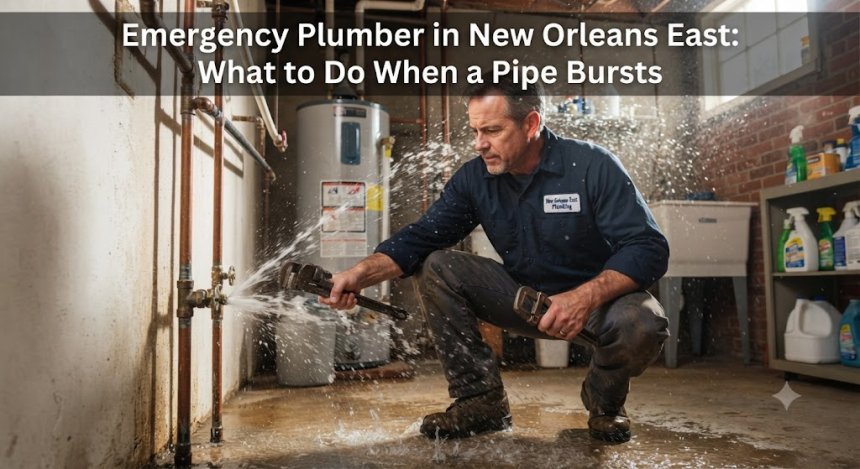
Emergency Plumber in New Orleans East: What to Do When a Pipe Bursts
Facing an emergency plumber in New Orleans East becomes an absolute necessity when a pressurized supply line fractures inside a residential property or local commercial facility. Neighborhoods across New Orleans East, Gentilly, Little Woods, and surrounding Orleans Parish communities deal with shifting soils, heavy seasonal rains, and occasional winter freezes that place severe stress on aging water pipes. When a pipe suddenly splits and water begins gushing across floors or cascading through drywall, knowing how to react immediately prevents catastrophic structural damage. Property owners searching for urgent guidance need clear, practical steps to protect their investment, minimize asset loss, and connect with licensed plumbing professionals equipped to handle high-stakes crises.
What Is a Burst Pipe?
A burst pipe is a catastrophic plumbing failure where a water supply line splits, cracks completely open, or shatters, releasing water uncontrollably at full household pressure.
-
Definition: A structural rupture in interior or exterior pressurized water piping that leads to rapid and uncontrolled flooding.
-
Common Situations: Sudden spikes in municipal water pressure, extreme overnight freeze events affecting uninsulated exterior walls, or severe corrosion weakening ancient metal lines.
-
Symptoms: Loud banging sounds inside walls, an immediate and drastic drop in water pressure, indoor flooding, buckling wood floors, and rapidly pooling water.
-
Real-World Example: A homeowner in a New Orleans East residential subdivision wakes up to find an indoor hallway flooded because a hidden supply line behind the wall split open overnight.
Why Does This Plumbing Problem Happen?
Pipe failures rarely occur without an underlying physical catalyst. Identifying these root causes helps property owners spot vulnerabilities before disaster strikes.
-
Aging Pipes: Historic or decades-old infrastructure featuring galvanized steel, cast iron, or deteriorated metal that thins out over time.
-
Corrosion: Chemical reactions between local mineral-rich water supplies and metal piping that eat away at interior walls, forming pinholes.
-
Tree Roots: Aggressive root systems from nearby oaks and regional trees that infiltrate underground supply and sewer lines seeking moisture.
-
Hard Water: Heavy mineral content that builds up inside lines, restricting flow and increasing internal pipe stress.
-
High Water Pressure: Municipal supply pressure pushing beyond safe residential limits, placing chronic stress on all pipe joints.
-
Improper Installation: Mismatched metal connections or unsupported pipe runs that create structural weakness and galvanic corrosion.
-
Poor Maintenance: Neglecting annual plumbing inspections that would otherwise catch minor vulnerabilities early.
-
Seasonal Weather: Sudden winter temperature drops in Southeast Louisiana causing trapped water inside vulnerable pipes to freeze and expand.
-
Frozen Pipes: Ice blockages expanding inside rigid pipe walls until the material fractures completely.
-
Clogs and Blockages: Severe downstream obstructions that elevate back-pressure on fragile upstream supply or waste junctions.
-
Sewer Backups: Major municipal or main line blockages forcing pressure backward into residential plumbing networks.
-
Worn Plumbing Fixtures: Aged valves, degraded supply hoses, and brittle gaskets that fail under normal operating cycles.
Signs You Should Never Ignore
Subtle warning signs almost always manifest before a total pipe rupture occurs. Recognizing these red flags prevents devastating water damage.
-
Water Stains: Brown, discolored rings appearing on ceilings or walls indicate slow, hidden leaks behind drywall.
-
Slow Drains: Partial clogs that signal developing restrictions within your waste and supply infrastructure.
-
Low Water Pressure: A sudden or progressive reduction in flow from faucets and showerheads pointing to internal line blockages or breaks.
-
High Water Bills: Unexplained spikes on your municipal water utility statement revealing continuous, hidden leakage.
-
Damp Walls: Moisture accumulation that softens drywall, warps wood panels, and causes wallpaper to bubble.
-
Mold Growth: Musty odors and visible mold colonies that thrive rapidly in moisture-rich, dark structural cavities.
-
Strange Noises: Banging, whistling, or rattling sounds when turning off taps, which indicate water hammer or loose pipe brackets.
-
Bad Smells: Foul, damp odors emanating from walls or floors where hidden water is stagnating.
-
Standing Water: Unexplained puddles forming in yards near supply lines or pooling around indoor foundation slabs.
-
Discolored Water: Rusty, brownish, or cloudy tap water signaling heavy internal corrosion and pipe breakdown.
Common Plumbing Problems Related to This Issue
Pipe ruptures are frequently connected to broader plumbing and structural complications across a property.
-
Pipe Leaks: Chronic pinhole leaks that gradually weaken surrounding pipe segments until a full burst occurs.
-
Drain Clogs: Accumulated debris that exacerbates pressure imbalances within the plumbing layout.
-
Sewer Backups: Compromised lines that permit wastewater intrusion and threaten overall property hygiene.
-
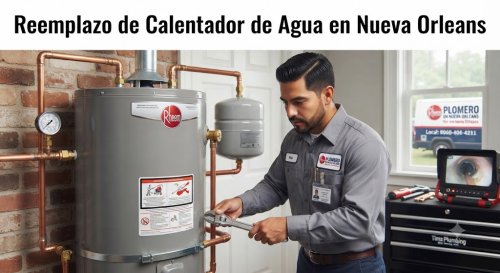
Water Heater Failures: Tank ruptures and valve failures that release massive volumes of water into utility spaces.
-
Burst Pipes: Secondary fractures caused by surging water pressure redistribution after an initial break.
-
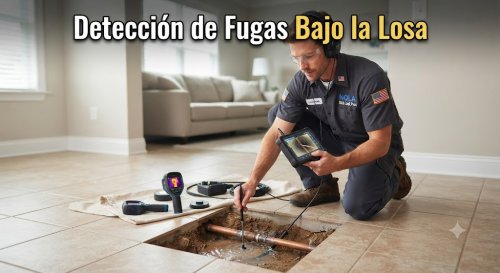
Slab Leaks: Undetected breaks beneath concrete foundations that erode sub-base soils and shift structures.
-
Fixture Damage: Rusted faucets, ruined vanity cabinets, and warped structural framing resulting from direct water exposure.
Step-by-Step Professional Repair Process
When a licensed technician arrives at your property, they execute a precise, methodical protocol to resolve the emergency.
-
Step 1: Inspection: Visually assessing the flooding zone and locating the primary source of water discharge.
-
Step 2: Diagnosis: Utilizing advanced diagnostic tools to evaluate the overall condition of the plumbing network and identify root causes.
-
Step 3: Estimate: Presenting an upfront, transparent, itemized cost estimate before any restorative work begins.
-
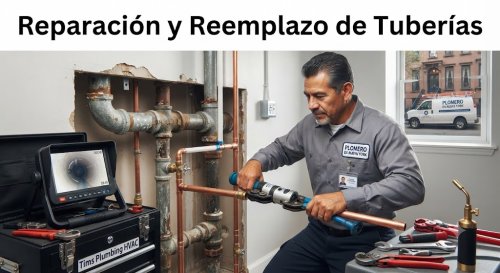
Step 4: Repair: Safely cutting away the ruptured pipe section and installing durable, modern replacement materials like PEX or copper.
-
Step 5: Testing: Pressurizing the repaired system to confirm absolute joint integrity and ensure zero secondary leakage.
-
Step 6: Cleanup: Removing work debris, extracting remaining surface water, and sanitizing the immediate work zone.
-
Step 7: Maintenance Advice: Providing expert recommendations on how to prevent future pipe stress and schedule routine care.
Can You Fix It Yourself?
Attempting to manage a major pipe burst without professional training is hazardous and typically leads to worse property damage. While homeowners can safely execute temporary steps like shutting off the main water valve and opening low-level taps to drain lines, DIY patches using tape or rubber clamps will fail under standard household water pressure. Professional intervention is strictly required to ensure structural safety, proper material matching, and code compliance.
Tools Professionals Use
Modern plumbing relies on sophisticated diagnostic equipment to diagnose and resolve issues with pinpoint accuracy.
-
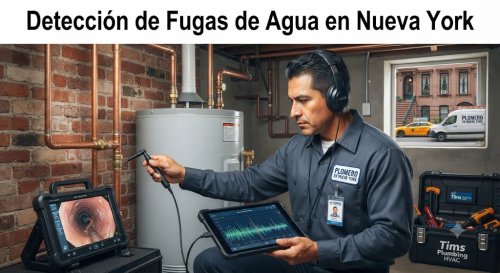
Drain Cameras: High-resolution fiber-optic scopes inserted into pipes to view interior blockages and cracks visually.
-
Leak Detection Equipment: Acoustic listening devices that pinpoint pressurized water hissing behind concrete and walls.
-
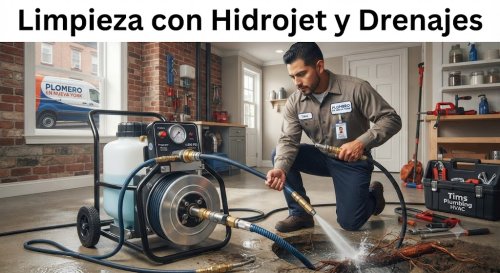
Hydro Jetting: High-pressure water streams used to scour out stubborn buildup and tree root intrusion.
-
Pipe Locators: Electromagnetic sensors that trace buried or hidden utility lines underground.
-
Pressure Testing Gauges: Precision instruments used to evaluate system containment and identify micro-leaks.
-
Pipe Inspection Cameras: Specialized cameras tailored for narrow diameter supply lines.
-
Trenchless Equipment: Advanced machinery designed to repair or replace underground lines without excavating entire yards.
How Long Does the Repair Usually Take?
Repair timelines fluctuate depending on the complexity, location, and severity of the plumbing failure.
-
Simple Repairs: 1 to 2 hours for an easily accessible, exposed pipe section in a utility room or crawlspace.
-
Moderate Repairs: 3 to 5 hours when drywall removal is necessary to access interior wall cavities.
-
Major Repairs: 1 to 2 days for extensive main line replacements or multiple compromised zones.
-
Emergency Repairs: Immediate dispatch followed by rapid stabilization and repair within several hours to stop active flooding.
Cost Factors
Plumbing repair costs vary depending on the severity of the problem, accessibility, materials required, emergency service, property type, and local labor rates.
-
Diagnostic Fees: Initial dispatch and troubleshooting charges to locate the hidden issue.
-
Parts: The cost of upgrading to superior piping materials such as PEX or copper tubing.
-
Labor: Skilled technician time required for complex extraction and structural pipe reconstruction.
-
Emergency Service Charges: Special after-hours, weekend, or holiday dispatch fees.
-
Equipment Needed: Specialized deployment of acoustic locators or heavy hydro-jetting machinery.
-
Permit Costs: Municipal fees required for significant structural plumbing overhauls.
-
Replacement vs Repair: Choosing between a localized patch versus a comprehensive pipe run replacement.
-
Accessibility of Pipes: Extra labor costs associated with reaching pipes buried deep beneath concrete slabs or historic wall structures.
Hidden Truths Homeowners Should Know
Practical realities dictate that ignoring minor plumbing symptoms always leads to exponential financial loss. Small pinhole leaks escalate into expensive structural repairs within hours if left unaddressed. Cheap temporary fixes using hardware store epoxies frequently fail under pressure. Furthermore, homeowners insurance policies often deny claims if water damage stems from long-term, neglected plumbing maintenance. Tree roots can repeatedly damage sewer lines unless physical barriers or professional treatments are applied. Hard water shortens fixture lifespan significantly, while DIY mistakes routinely increase overall repair costs. Delaying repairs causes severe structural wood rot, hidden mold develops within 24 to 48 hours of moisture exposure, and hidden water leaks drive up monthly utility bills silently. Routine annual maintenance remains the single most effective way to save money over time.
15 Common Mistakes Homeowners Make
-
Ignoring minor leaks until they transform into catastrophic structural emergencies.
-
Using harsh chemical drain cleaners that corrode and eat away at metal pipe walls.
-
Flushing non-disposable wet wipes, paper towels, and hygiene products down toilets.
-
Pouring cooking grease and oils directly into kitchen sink drains.
-
Ignoring progressive water pressure problems and failing to install pressure regulators.
-
Hiring unlicensed, unverified handymen for complex pressurized pipe interventions.
-
Skipping annual preventative plumbing tune-ups and system inspections.
-
Waiting until total system failures occur before calling a licensed professional.
-
Using incorrect pipe materials that invite galvanic corrosion and rapid failure.
-
Over-tightening plumbing fittings, which cracks plastic and brass connectors.
-
Failing to locate or test the main water shutoff valve ahead of an emergency.
-
Neglecting outdoor hose bibs during sudden cold snaps.
-
Overloading garbage disposals with fibrous food waste.
-
Ignoring slow-draining tubs and sinks until a total blockage forms.
-
Attempting complex structural plumbing repairs without proper safety gear or tools.
Maintenance Tips
-
Insulate all exposed water pipes located in unheated garages, attics, and exterior walls before winter arrives.
-
Test your main water shutoff valve semi-annually to ensure it operates smoothly during an emergency.
-
Install a whole-home water softener to protect your fixtures and pipes from aggressive mineral scale buildup.
-
Schedule a professional plumbing inspection annually, especially for properties older than 30 years.
-
Never pour fats, cooking oils, or grease down any household drain.
-
Clean faucet aerators quarterly to maintain consistent water flow and trap loose sediment.
-
Monitor your water meter during periods of zero usage to detect hidden slow leaks early.
-
Disconnect garden hoses from outdoor spigots before freezing weather hits.
-
Keep emergency contact numbers for local plumbing professionals saved in your phone.
-
Keep cleanout access points clear of landscaping debris and paving materials.
-
Avoid planting large trees with invasive root systems near underground water and sewer lines.
-
Install water leak detection sensors near high-risk areas like water heaters and washing machines.
-
Flush your water heater tank annually to remove sediment and extend its operational life.
-
Educate all household members on the exact location of the main water shutoff valve.
-
Address minor drips and running toilets immediately before they escalate into major failures.
When Should You Call an Emergency Plumber?
-
Burst pipes spraying pressurized water into living areas or structural cavities.
-
Severe sewage backups overflowing into bathtubs, showers, and living spaces.
-
Total loss of running water throughout the entire property.
-
Overflowing toilets that cannot be stopped via local shutoff valves.
-
Gas line concerns or suspected natural gas leaks if licensed service is offered.
-
Major water leaks threatening electrical panels and structural foundations.
-
Uncontrolled flooding resulting from major plumbing component failures.
Frequently Asked Questions
-
Why is my water pressure suddenly low? Mineral scale buildup inside pipes, a failing pressure reducing valve, or a hidden supply line leak typically cause sudden pressure drops.
-
How much does leak detection cost? Costs vary based on the technology required, but electronic detection saves money by preventing destructive exploratory demolition.
-
Can a clogged drain damage pipes? Yes, persistent blockages generate extreme hydrostatic pressure that cracks older pipe joints and weakens wall structures.
-
Is hydro jetting safe for old pipes? A licensed plumber must inspect fragile historic lines first to verify that high-pressure water streams will not compromise structural integrity.
-
How do I know if my sewer line is broken? Frequent backups, foul sewage odors, soggy lawn patches, and multiple simultaneous slow drains indicate a broken sewer line.
-
How long do water heaters last? Standard tank water heaters generally last between 8 to 12 years with proper annual flushing and maintenance.
-
Why does my faucet drip? Worn internal rubber washers, degraded O-rings, or corroded valve seats usually cause persistent dripping.
-
What causes pipes to burst? Extreme freezing temperatures, excessive internal water pressure, heavy tree root intrusion, and severe metal corrosion are primary culprits.
-
Can plumbing leaks increase my water bill? Even a small hidden leak wastes hundreds of gallons daily, driving up monthly utility expenses significantly.
-
When should I replace plumbing instead of repairing it? Persistent leaks, widespread pipe corrosion, or obsolete materials like lead and polybutylene warrant a complete system repipe.