Common Causes of Water Leaks in Historic New Orleans Homes
Discover the most frequent reasons water leaks occur in historic New Orleans homes, from shifting soils to aging galvanized pipes, and how to spot early warning signs.

Understanding Water Leaks in Historic New Orleans Properties
Owning a historic home in neighborhoods like the French Quarter, Faubourg Marigny, or Uptown New Orleans offers unmatched architectural charm. However, centuries-old framing, raised foundations, and aging infrastructure come with unique challenges. Among the most pressing maintenance issues property owners face is the increased vulnerability to hidden water leaks. Because many of these historic properties feature original or decades-old piping systems, understanding why leaks happen is the first step toward protecting your investment.
When dealing with historic architecture, standard plumbing diagnostics often require a nuanced approach. The materials used generations ago react differently to the local environment compared to modern PVC or PEX lines. Knowing what to look for can save property owners thousands of dollars in structural damage and water bills.
1. Shifting Foundation and Sinking Soils
New Orleans is built on a unique deltaic plain with high water tables and moisture-heavy alluvial soils. Over time, the ground beneath homes experiences significant settling and shifting. For older homes sitting on brick piers, slab-on-grade retrofits, or raised brick basements, this ground movement puts immense mechanical stress on incoming supply lines and outgoing waste pipes.
- Ground Settlement: As the soil compresses or shifts due to heavy seasonal rains and dry spells, rigid underground supply pipes can bend, crack, or pull away from joint connections.
- Crawlspace Shifts: Homes supported by brick piers may experience slight settling that strains suspended cast iron or galvanized steel lines running underneath the floorboards.
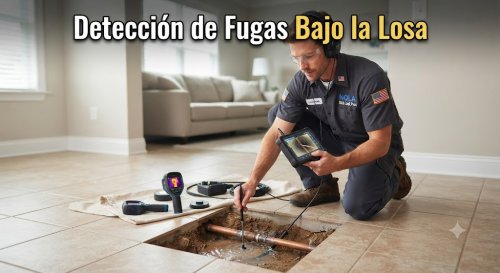
Detecting these structural shifts early often requires professional leak detection services in New Orleans to pinpoint subsurface pressure drops before water pools beneath the home.
2. Aging Galvanized Steel and Cast Iron Piping
Many historic homes in New Orleans still retain remnants of older plumbing infrastructure. While charming, these materials have a finite lifespan.
- Galvanized Supply Pipes: Installed widely through the mid-20th century, galvanized steel pipes corrode from the inside out. Mineral buildup and oxidation constrict water flow and eventually eat through the pipe walls, creating pinhole leaks behind plaster walls or beneath historic floorboards.
- Cast Iron Drain Lines: Older homes frequently rely on heavy cast iron for main sewer stacks and drain lines. Decades of exposure to moisture and soil acidity cause these pipes to rust, pit, and eventually develop structural cracks or complete collapses.
3. High Water Pressure and Temperature Fluctuations
Municipal water pressure supplied to certain historic districts can fluctuate. When incoming pressure is too high, it accelerates wear and tear on aging valves, joints, and connector hoses. Furthermore, New Orleans experiences intense summer heat alongside occasional winter freezes. These extreme temperature swings cause thermal expansion and contraction in metal pipes, weakening soldered joints and threaded fittings over time.
4. Spotting the Warning Signs of Hidden Leaks
Because historic homes often feature lath-and-plaster walls, high ceilings, and intricate millwork, water leaks can go unnoticed for weeks. Watch out for these localized indicators:
- Unexplained spikes in your municipal water bill
- Musty, damp odors in closets, under floorboards, or near baseboards
- Discolored, bubbling, or peeling paint and wallpaper
- Warm spots on floors (indicating a hot water supply leak)
- The sound of running water when all fixtures are completely closed
Prevention and Maintenance Strategies
Protecting a historic New Orleans property from water damage requires proactive care. Scheduling routine inspections with a qualified New Orleans plumber helps catch failing lines before a catastrophic pipe burst occurs. Keep an eye on your water meter periodically to check for subtle, continuous flow when no water is actively being used inside the house. By staying vigilant and respecting the unique demands of historic plumbing, you can preserve both your home's structural integrity and its historic value for years to come.