Plumber Marigny: Water Heater Leak Solutions
Water heater leaking in your Marigny home? Learn causes, emergency shut-off steps, repair costs, and when to call a licensed New Orleans emergency plumber
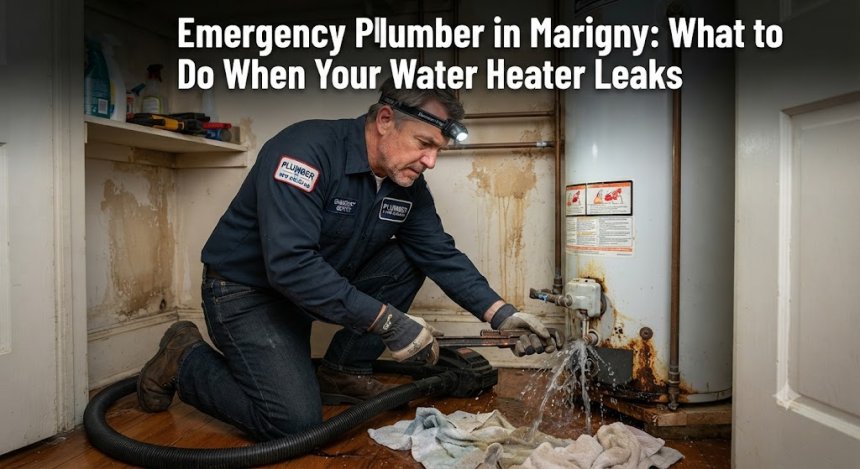
Emergency Plumber in Marigny: What to Do When Your Water Heater Leaks
Calling an emergency plumber in Marigny is often the first and most crucial step a homeowner takes when discovering an active water heater leak. Faubourg Marigny is famous for its historic Creole cottages, classic shotgun homes, and charming historic architecture. However, many of these beautiful homes feature tight utility closets, raised pier-and-beam foundations, and aging plumbing infrastructure. When a tank or tankless water heater begins leaking in this environment, water can rapidly saturate historic cypress subflooring, seep down into crawl spaces, or damage structural joists. Immediate attention is critical because a leaking water heater under continuous municipal pressure will not fix itself; it will only spill more gallons per minute into your home. Homeowners search for emergency assistance to limit property destruction, prevent hazardous mold growth in humid New Orleans conditions, and restore hot water quickly and safely.
What Is a Water Heater Leak Emergency in Marigny?
A water heater leak emergency occurs when the internal vessel, supply lines, or pressure relief valves of a water heating system fail, causing uncontrolled water discharge inside a residential or commercial property. In Marigny, where utility spaces are often carved out of original pantry closets or enclosed back porches, a water leak quickly spreads into living quarters.
Common situations involve waking up to cold showers and discovering standing water near your hall closet, or hearing a continuous dripping sound behind laundry room drywall. Symptoms range from a minor puddle forming around the base of the tank to a major burst flex line spraying hot water across the ceiling. For example, if your gas water heater's Temperature and Pressure (T&P) relief valve fails open due to excessive internal pressure, hundreds of gallons of scalding water can flood your hallway in less than an hour.
Why Does This Plumbing Problem Happen?
Water heater leaks stem from a combination of chemical breakdown, physical wear, and mechanical failure within the heating system.
-
Aging pipes and tanks: Most tank water heaters have a design lifespan of 8 to 12 years. Beyond this window, internal steel tanks weaken.
-
Corrosion: Water in the New Orleans area carries dissolved minerals and oxygen that gradually react with internal steel walls, creating pinhole leaks.
-
Hard water and sediment accumulation: Heavy sediment builds up at the bottom of the tank, forming an insulating barrier over gas burners or electric elements. This causes localized overheating, calcification, and thermal stress cracks.
-
High water pressure: Fluctuations or high pressure in municipal supply mains strain internal tank welds and supply connections.
-
Improper installation: Lack of expansion tanks or incorrect soldering on copper feed lines creates points of structural failure.
-
Poor maintenance: Failing to flush sediment or replace the sacrificial anode rod accelerates internal rusting.
-
Seasonal weather: High summer temperatures increase thermal expansion inside tanks, while occasional winter dips stress older fittings.
-
Worn plumbing fixtures: Degrading drain valves, failed pressure relief valves, or loose cold-water shut-off handles allow water to escape continuously.
Signs You Should Never Ignore
Catching subtle symptoms before a total tank failure saves thousands of dollars in restoration costs.
-
Standing water: Any puddle near the base of your heater signals an active containment breach.
-
Discolored water: Rusty or brownish hot water indicates that the internal lining or anode rod has completely broken down.
-
Strange noises: Loud popping, rumbling, or boiling sounds indicate heavy sediment buildup overheating at the bottom of the tank.
-
Low water pressure: Reduced hot water flow often points to severe mineral buildup or corrosion inside supply nipples.
-
Bad smells: Rotten egg or metallic odors suggest bacterial growth inside the tank or active anode degradation.
-
Water stains: Rings or streaks on nearby baseboards, drywall, or ceiling plaster reveal hidden line leaks.
-
Damp walls and floors: Spongy wooden flooring near the utility space indicates moisture seeping into subfloors.
-
Mold growth: Fungal clusters on closet drywall mean high humidity from a slow leak has been present for over 24 hours.
-
High water or energy bills: Unexpected bill spikes mean your heater is constantly running to warm fresh cold water filling a leaking tank.
Common Plumbing Problems Related to This Issue
A leaking water heater rarely exists as an isolated incident; it often impacts or triggers secondary plumbing complications.
-
Pipe leaks: Corroded connection nipples split and leak into wall cavities.
-
Drain line clogs: Overflow pans connected to undersized or clogged drain lines cause pan spills directly onto hardwood floors.
-
Water heater failures: Electrical upper/lower heating element burnouts caused by dry-firing when water levels drop.
-
Burst pipes: Weakened copper or braided stainless steel supply lines snap under high pressure spikes.
-
Slab and subfloor rot: Persistent water saturates pier-and-beam floor joists, encouraging wood rot and termite activity.
-
Fixture damage: Escaping hot water ruins adjacent drywall, framing, laminate, and historic flooring.
Step-by-Step Professional Repair Process
Licensed plumbers approach water heater emergencies systematically to ensure safety, code compliance, and long-term performance.
-
Step 1 Inspection: The plumber inspects the unit, surrounding piping, fuel/electrical connections, and structural support.
-
Step 2 Diagnosis: Using pressure gauges and visual checks, the technician determines whether the leak originates from a replaceable valve, fitting, or a cracked internal tank.
-
Step 3 Estimate: You receive an upfront, itemized breakdown explaining repair options versus full system replacement.
-
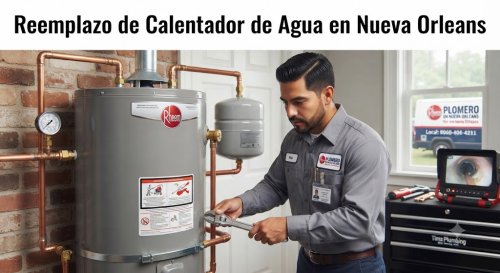
Step 4 Repair: If repairable, the plumber replaces faulty components like T&P valves or flex lines. If the tank is ruptured, they safely drain the unit, disconnect gas/electric lines, and install a new system.
-
Step 5 Testing: The plumber fills the system, bleeds air from home lines, checks for gas/electrical safety, and verifies proper operating pressure and temperature.
-
Step 6 Cleanup: All old components, drained water debris, and workspace contaminants are removed from your property.
-
Step 7 Maintenance Advice: The plumber outlines routine maintenance steps to prolong the life of your new or repaired equipment.
Can You Fix It Yourself?
Homeowners can take simple emergency containment steps, but full repairs should be left to certified professionals.
Safe DIY Emergency Steps
-
Shut off the power or gas: For electric units, switch off the double-pole breaker in your main electrical panel. For gas units, turn the control valve knob to "OFF" or "PILOT."
-
Turn off the water supply: Locate the cold-water shut-off valve on the top pipe entering the heater and turn it clockwise (or perpendicular for lever valves).
-
Relieve line pressure: Open a hot water faucet inside your home to relieve pressure in the system.
-
Drain excess water: Connect a garden hose to the bottom drain valve and run it outside to empty the tank safely.
When DIY Becomes Dangerous
Attempting DIY repairs on water heaters can lead to serious hazards. Electric units operate on high-voltage 240V circuits that pose severe electrocution risks near standing water. Gas models require exact flue venting and leak-free gas connections; improper installation causes deadly carbon monoxide buildup or gas explosions. Furthermore, water inside a tank can exceed 140°F, posing severe scalding risks. DIY attempts often void manufacturer warranties and violate New Orleans municipal building codes. Contact a licensed professional as soon as emergency shut-off steps are complete.
Tools Professionals Use
Modern plumbing diagnostics and repairs require commercial-grade equipment to ensure precise execution.
-
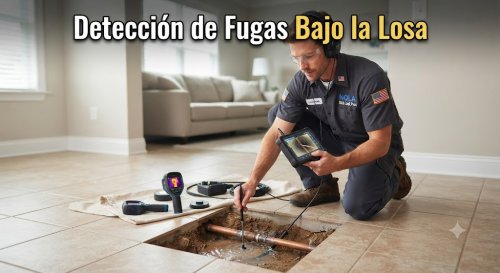
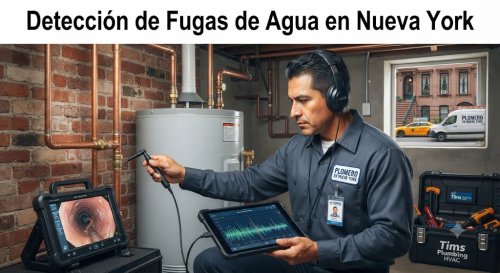
Leak detection equipment: Electronic acoustic listening sensors pinpoint concealed pipe leaks behind walls.
-
Thermal imaging cameras: Infrared technology detects hidden moisture pockets beneath floorboards and inside walls.
-
Pressure testing gauges: Measures incoming static water pressure to ensure it stays within safe operating ranges (40–60 PSI).
-
Multi-meters & voltage testers: Safely evaluates electrical continuity on heating elements and thermostats.
-
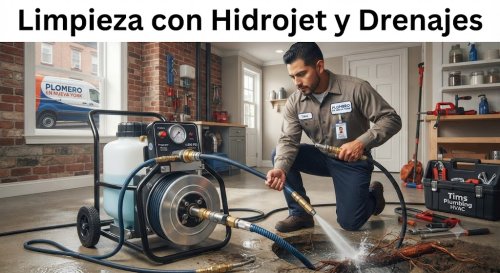
Hydro jetting machines: Clears heavy mineral or sediment blockage out of condensate and pan drain lines.
-
Pipe inspection cameras: Inspects internal condition of main lines or wall cavities where leaks spread.
How Long Does the Repair Usually Take?
The duration of service varies based on the specific mechanical failure and accessibility.
-
Simple repairs: Replacing a T&P valve, upper heating element, or top supply hose typically takes 1 to 2 hours.
-
Moderate repairs: Replacing a drain valve, flushing deep sediment, or adjusting complex gas venting requires 2 to 3 hours.
-
Major repairs: Complete removal and installation of a new tank or tankless water heater in tight spaces takes 3 to 5 hours.
-
Emergency containment: Disconnecting power, shutting off water, and draining a compromised unit takes under 1 hour.
-
Factors affecting time: Access constraints in historic Marigny homes, attic placement, gas line retrofits, and local permit verification influence exact project duration.
Cost Factors
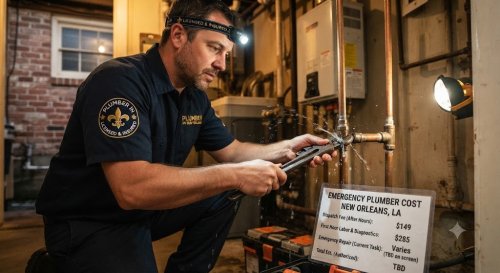
Plumbing repair costs vary depending on the severity of the problem, accessibility, materials required, emergency service, property type, and local labor rates.
-
Diagnostic fees: Covers professional travel, initial system safety checks, and leak identification.
-
Parts: Replacement elements, heavy-duty valves, expansion tanks, or concrete pads.
-
Labor: Skilled labor rates for licensed plumbing technicians and helpers.
-
Emergency service charges: Applicable for night, weekend, or holiday dispatch.
-
Equipment needed: Specialized equipment like high-capacity pumps or thermal imaging tools.
-
Permit costs: Municipal plumbing permits required by the City of New Orleans for new tank installations.
-
Replacement vs. repair: Replacing small valves is minor, whereas replacing an entire rusted tank is a major investment.
-
Accessibility of pipes: Units located in cramped closets, crawlspaces, or high attics require additional labor time.
Hidden Truths Homeowners Should Know
Understanding key realities about home plumbing protects your property value and budget:
-
Small leaks become expensive repairs: A tiny drip under the tank can silently destroy floor joists over several months.
-
Cheap temporary fixes often fail: Applying epoxy or tape over a pinhole leak on a pressurized steel tank will blow out under heat.
-
Insurance may not cover neglected plumbing: Homeowners insurance policies frequently deny claims if water damage is traced to years of neglected maintenance.
-
Hard water shortens fixture lifespan: Unfiltered hard water accelerates rust, scale, and heating element failure within 5 years.
-
DIY mistakes increase repair costs: Incorrect wiring or reverse piping connections lead to costly emergency callbacks.
-
Delaying repairs causes structural damage: Saturated subflooring under elevated shotgun homes breeds wood rot and attracts termites.
-
Hidden leaks increase utility bills: Continuous tank leaks force gas or electric systems to heat incoming cold water nonstop.
-
Mold develops quickly: Toxic mold colonies begin growing on wet drywall and subfloor materials within 24 to 48 hours.
-
Annual maintenance saves money: Simple annual flushes can double the operational lifespan of your water heater.
15 Common Mistakes Homeowners Make
Avoiding these frequent mistakes saves time, money, and hassle:
-
Ignoring minor leaks: Dismissing small puddles assuming they are just "condensation."
-
Setting the temperature too high: Setting thermostats above 120°F increases tank pressure and scalding risk.
-
Skipping anode rod checks: Allowing the anode rod to dissolve completely leaves steel tank walls vulnerable to rust.
-
Hiring unlicensed handymen: Entrusting electrical and gas connections to uncertified labor.
-
Ignoring water pressure spikes: Failing to install a pressure-reducing valve when street pressure exceeds 80 PSI.
-
Flushing wipes or debris: Dumping trash into floor drains used by water heater overflow lines.
-
Using chemical drain cleaners near pan drains: Corrosive chemicals ruin plastic drain pans and fittings.
-
Waiting until total system failure: Delaying replacement until the tank ruptures and floods the home.
-
Blocking access to the heater: Storing household items tightly against gas heaters, creating fire hazards.
-
Using wrong pipe materials: Connecting copper directly to galvanized steel without dielectric unions causes rapid corrosion.
-
Over-tightening fittings: Cracking brass valves or plastic threads by using excessive force during installation.
-
Forgetting to turn off power before draining: Dry-firing an empty electric water heater burns out elements instantly.
-
Neglecting the expansion tank: Failing to inspect thermal expansion tanks attached to closed plumbing systems.
-
Ignoring strange popping noises: Allowing sediment to harden into thick scale over heating elements.
-
Failing to locate shut-off valves: Not knowing where your main water valve is located during an active emergency.
Maintenance Tips for Water Heaters
Keep your system running reliably year-round with these preventative measures:
-
Flush 2 to 3 gallons of water out of the drain valve every 6 months to remove sediment.
-
Perform a full tank drain and flush annually.
-
Inspect the sacrificial anode rod every 2 years and replace it when worn down.
-
Test the T&P relief valve yearly by lifting the lever to ensure water releases and seals properly.
-
Maintain a clear 2-foot perimeter around your water heater closet for airflow and access.
-
Set your thermostat to 120°F (50°C) to balance energy savings and bacteria prevention.
-
Insulate exposed hot water pipes with foam pipe sleeves to reduce heat loss.
-
Install a expansion tank to absorb excess thermal pressure.
-
Check brass fittings and copper flex lines for signs of green corrosion or white mineral buildup.
-
Install a water alarm sensor inside the drain pan to alert you to early leaks.
-
Replace rubber supply lines with braided stainless steel flex connectors.
-
Clear dust and lint from gas burner assemblies and air intakes every fall.
-
Ensure flue pipes are securely connected and venting properly to the roof exterior.
-
Before winter freezes, insulate outdoor supply lines connected to tankless models.
-
Replace water heaters over 10 years old proactively before catastrophic failure occurs.
When Should You Call an Emergency Plumber?
Immediate professional intervention is necessary under any of the following conditions:
-
Active flooding: Continuous water pouring out of the tank base or supply lines.
-
Gas line concerns: Strong sulfur or rotten egg smells near a gas water heater.
-
No running water: Complete failure of hot water delivery across all home fixtures.
-
Burst pipes: Ruptured main feed lines or severed connection nipples.
-
Sewer backups: Drain pan lines backing up with dark waste water.
-
Electrical sparks: Smoke, burning plastic smells, or tripping breakers connected to electric heaters.
Frequently Asked Questions
Why is my water pressure suddenly low when using hot water?
Sudden drops in hot water pressure are usually caused by heavy mineral scaling inside the hot water outlet pipe, a partially closed shut-off valve, or internal dip tube failure inside the tank.
How much does leak detection cost?
Professional leak detection typically costs between $150 and $400 depending on line accessibility and whether electronic thermal imaging is required.
Can a leaking water heater explode?
While rare, if a failed T&P valve coincides with a malfunctioning thermostat that allows water to continuously overheat, extreme pressure can cause a tank burst. Modern safety codes minimize this risk when installed by licensed plumbers.
Is hydro jetting safe for old pipes when clearing a drain pan line?
Hydro jetting is highly effective for main drains, but soft pan drain lines require low-pressure clearing or mechanical snakes to prevent cracking delicate PVC fittings.
How do I know if my water heater tank is broken beyond repair?
If water leaks directly from the bottom seam or steel body jacket rather than an upper valve or flex hose, the internal tank has rusted through and requires complete replacement.
How long do water heaters last in New Orleans?
Due to local water conditions and high humidity, standard tank water heaters typically last 8 to 10 years, while well-maintained tankless systems can last 15 to 20 years.
Why does my faucet drip only when hot water is turned on?
This usually indicates a worn thermal-resistant rubber washer or O-ring inside the faucet cartridge that expands and fails when exposed to hot water temperatures.
What causes water heater pipes to burst?
Excessive municipal water pressure, thermal expansion without an expansion tank, severe internal corrosion, or localized mechanical stress cause pipe joints and flex hoses to rupture.
Can plumbing leaks increase my water bill?
Yes, even a minor leak dripping 1 gallon per hour wastes over 700 gallons of water a month, leading to noticeable increases in utility charges.
When should I replace my water heater instead of repairing it?
Replace your system if the unit is over 10 years old, the tank itself is leaking, or if estimated repair costs exceed 50% of the cost of a new unit installation.