Emergency Plumber Lower Garden District: Water Heater Fix
Water heater failure in Lower Garden District, New Orleans? Learn causes, warning signs, DIY limits, and when to call an emergency plumber.
Introduction to Emergency Plumbing in the Lower Garden District
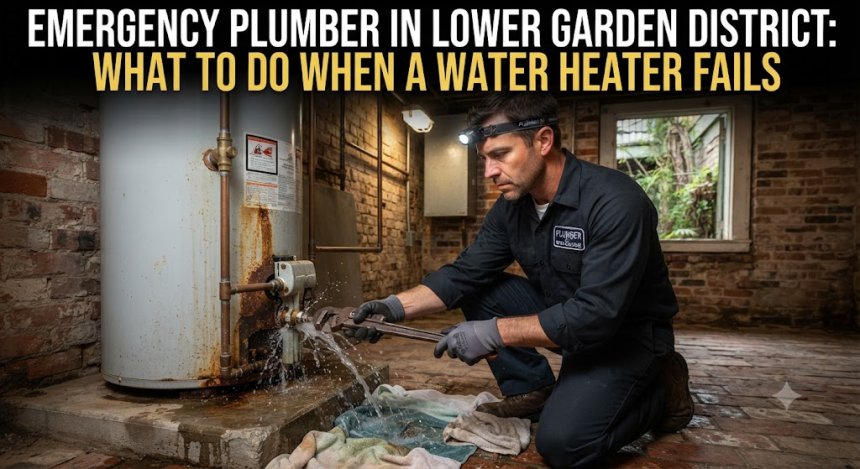
Facing a sudden water heater failure in Lower Garden District homes can disrupt your daily routine instantly. Residents across this historic New Orleans neighborhood—as well as nearby areas like the Garden District, Irish Channel, and Central Business District—frequently encounter plumbing challenges due to mineral-rich municipal water supplies and aging historic architecture. When your water heater begins leaking rusty water or stops producing hot water entirely, immediate attention is vital. Homeowners often search for guidance on this urgent topic because a failed tank can cause indoor flooding and structural damage. Knowing what steps to take before calling Plumber in New Orleans ensures your property stays protected.
What Is a Water Heater Failure?
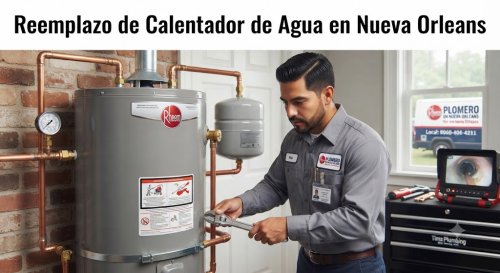
A water heater failure occurs when your residential or commercial hot water system stops functioning or experiences a structural tank breach.
-
Definition: The complete breakdown of a water heater's heating elements, thermostat, burner assembly, or tank integrity, resulting in a total lack of hot water or active water discharge.
-
Common Situations: Turning on a shower and being met with freezing water, or walking into a utility closet to find a pool of standing water surrounding the base of the tank.
-
Symptoms: Lukewarm water, complete lack of hot water, loud popping or rumbling noises, discolored or metallic-tasting water, and visible leaks around the tank fittings.
-
Examples: A Lower Garden District homeowner wakes up to find their kitchen floor flooded because the bottom seam of their aging 50-gallon storage tank ruptured overnight.
Why Does This Plumbing Problem Happen?
Water heaters endure constant thermal stress and high pressure daily, making them vulnerable to several mechanical and environmental breakdown triggers.
-
Hard Water and Sediment Buildup: New Orleans area water supplies carry minerals that settle at the bottom of storage tanks, hardening over time and creating a barrier between the burner and the water.
-
Corrosion and Anode Rod Depletion: Inside every tank is a sacrificial anode rod designed to attract corrosive elements; once depleted, the tank walls begin rusting from the inside out.
-
Aging Infrastructure: Traditional tank water heaters have a typical lifespan of 8 to 12 years; units operating past this window are prone to sudden component failure.
-
Excessive Water Pressure: High thermal expansion or high municipal water pressure places undue stress on tank welds, gaskets, and safety relief valves.
-
Improper Installation: Inadequate electrical wiring, incorrect gas line sizing, or missing expansion tanks can lead to premature system failure.
Signs You Should Never Ignore
Recognizing early warning signs allows you to replace a deteriorating unit before it floods your home or business.
-
Discolored Water: Rusty or brown water coming exclusively from hot taps indicates internal tank corrosion.
-
Strange Rumbling Noises: Banging or popping sounds inside the tank signal excessive sediment boiling under trapped water pockets.
-
Inconsistent Water Temperatures: Water that fluctuates between hot and cold points to failing heating elements or thermostat calibration issues.
-
Moisture Around the Base: Small puddles or dampness near the base of the tank indicate minor tank fractures or loose fitting connections.
-
Unusually High Energy Bills: A scaled-up water heater has to work twice as much energy to heat water, causing spikes in your utility bills.
Common Plumbing Problems Related to This Issue
-
Pipe Leaks: Excessive pressure buildup can weaken nearby supply lines and soldered pipe joints.
-
Water Heater Failures: Direct burnout of internal heating assemblies or gas control valves.
-
Fixture Damage: Scale debris traveling through lines can clog faucet aerators and appliance valves.
-
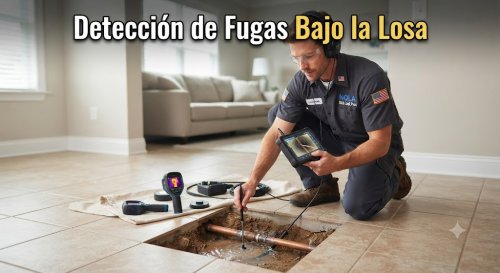
Slab Leaks: Corrosive conditions affecting the water heater can also impact other metallic pipes in the home.
Step-by-Step Professional Repair Process
When you call a licensed professional to handle a water heater emergency, a structured procedure ensures a safe and lasting fix.
-
Step 1: Inspection: The technician evaluates the entire water heating unit, checking gas lines, electrical connections, and venting.
-
Step 2: Diagnosis: The plumber determines whether the unit can be repaired via part replacement or if complete system replacement is necessary.
-
Step 3: Estimate: You receive an honest, transparent estimate detailing parts, labor, and warranty options before work begins.
-
Step 4: Repair: The plumber replaces faulty thermostats, heating elements, pressure relief valves, or installs a brand-new water heater.
-
Step 5: Testing: The new system is filled, pressurized, and tested to ensure steady hot water delivery and safe operation.
-
Step 6: Cleanup: The work area is thoroughly cleaned, and old equipment is hauled away for proper disposal.
-
Step 7: Maintenance Advice: The technician provides customized instructions on flushing and caring for your new unit.
Can You Fix It Yourself?
-
Safe DIY Solutions: Safely turn off the power supply at the breaker or shut off the gas valve if you notice dangerous overheating or smoking.
-
What Homeowners Can Safely Do: Check pilot lights on older gas models or inspect the external circuit breaker for tripped switches.
-
When DIY Becomes Dangerous: Attempting to service high-voltage electrical elements or natural gas supply lines without training risks electrocution, gas leaks, or carbon monoxide poisoning.
-
When Professional Plumbing is Necessary: Any internal tank rupture, major electrical fault, or gas control failure requires a licensed professional.
Tools Professionals Use
-
Multimeters: Essential tools for testing electrical continuity and voltage on heating elements and thermostats.
-
Gas Leak Detectors: Electronic sensors that instantly identify hazardous gas line leaks around connections.
-
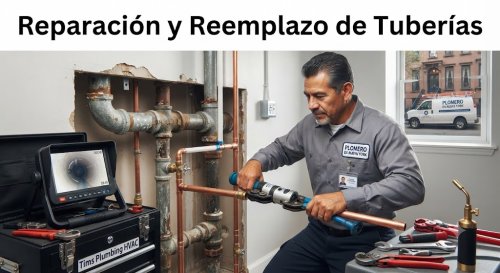
Pipe Wrenches and Tubing Cutters: Specialized tools required to disconnect and re-pipe rigid copper or PEX water lines.
-
Pressure Testing Gauges: Devices used to measure dynamic home water pressure and test thermal expansion.
How Long Does the Repair Usually Take?
-
Thermostat or Element Replacement: 1 to 2 hours for standard component swaps.
-
Standard Tank Water Heater Replacement: 2 to 4 hours for a straightforward like-for-like swap.
-
Tankless Water Heater Conversion: 4 to 8 hours due to custom gas line and venting modifications.
-
Emergency Leak Containment: Immediate response to shut off water and mitigate damage.
Cost Factors for Water Heater Repairs
Plumbing repair costs vary depending on the severity of the problem, accessibility, materials required, emergency service, property type, and local labor rates.
-
Diagnostic Fees: Standard service call charges for evaluating system failures.
-
Equipment Type: Traditional tank models versus high-efficiency tankless units.
-
Code Upgrades: Adding required thermal expansion tanks or updated seismic straps.
-
Emergency Dispatch: After-hours, weekend, or holiday service requests.
-
Accessibility: Units located in tight attic spaces or historic crawlspaces require extra labor.
Hidden Truths Homeowners Should Know
-
Small weeping leaks at tank seams quickly escalate into catastrophic structural ruptures.
-
Cheap temporary sealants on pressurized water heater tanks always fail under heat.
-
Standard insurance policies may deny claims resulting from neglected water heater corrosion.
-
Hard water in the New Orleans region drastically shortens unmaintained fixture and tank lifespans.
-
DIY electrical or gas mistakes significantly increase ultimate repair and liability costs.
-
Delaying water heater replacement causes severe subflooring rot and structural mold growth.
-
Hidden tank leaks can drive up monthly municipal utility bills without immediate notice.
-
Mold colonizes damp drywall and insulation within 24 to 48 hours of a leak.
-
Annual professional maintenance saves money by extending equipment lifespan.
-
Flushing sediment regularly prevents premature burner and tank failure.
15 Common Mistakes Homeowners Make
-
Ignoring minor water pooling around the base of the tank.
-
Setting thermostat temperatures dangerously high above 120 degrees Fahrenheit.
-
Skipping annual tank flushing to remove sediment layers.
-
Failing to test the temperature and pressure relief valve regularly.
-
Hiring unlicensed handymen for complex gas or electrical water heater work.
-
Neglecting to install a thermal expansion tank where required.
-
Waiting until a complete winter or holiday breakdown to service units.
-
Using incorrect pipe connection materials that cause galvanic corrosion.
-
Over-tightening fragile fittings on water heater inlet ports.
-
Planting or placing items too close to combustion air vents.
-
Failing to locate the emergency water shut-off valve near the unit.
-
Neglecting anode rod inspections every 3 to 5 years.
-
Ignoring strange rumbling or popping noises coming from the tank.
-
Disregarding small pilot light outages on older gas models.
-
Delaying professional diagnostic evaluations when efficiency drops.
Maintenance Tips for Reliable Hot Water
-
Flush your water storage tank once a year to clear accumulated mineral sediment.
-
Test the temperature and pressure relief valve annually for proper operation.
-
Inspect the sacrificial anode rod every few years and replace it when depleted.
-
Keep the area around your water heater clean and free of flammable stored items.
-
Insulate older storage tanks and hot water supply pipes to improve efficiency.
-
Check gas burner flames periodically to ensure they burn a steady blue color.
-
Install a water leak alarm on the floor near the base of your unit.
-
Monitor your monthly utility bills for unexpected energy consumption jumps.
-
Know the exact location of the cold water supply shut-off valve.
-
Hire licensed professionals for any major plumbing modifications.
-
Consider installing a whole-home water softener if local hardness is high.
-
Protect exterior or uninsulated garage water heaters from freezing weather.
-
Keep service records of all past plumbing repairs and installations.
-
Avoid blocking combustion air intake vents in utility closets.
-
Replace aging units before they reach the 12-year operational mark.
When Should You Call an Emergency Plumber?
-
Active Tank Ruptures: Water actively gushing or flooding from the tank body.
-
Gas Odors: Smelling natural gas near a failing gas water heater unit.
-
Electrical Burning Smells: Smoke or burning odors emanating from electric control boxes.
-
Total Hot Water Loss: Complete service failure during freezing weather or commercial operations.
-
Severe Pipe Leaks: High-pressure pipe blowouts connected to the appliance.