Common Causes of Low Water Pressure in Older New Orleans Homes
Discover why older homes in New Orleans experience low water pressure, from galvanized pipe corrosion to municipal supply issues, and learn what you can do.
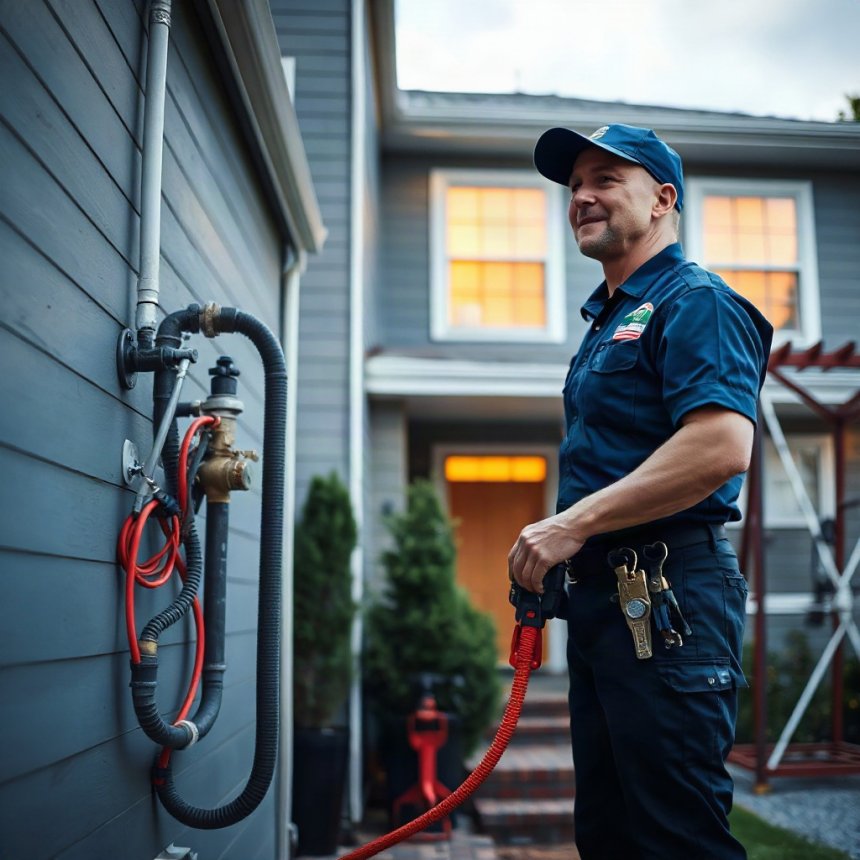
Living in a historic home in neighborhoods like the Garden District, Faubourg Marigny, or Mid-City offers undeniable charm, but it also comes with unique plumbing quirks. One of the most frequent complaints homeowners bring to a plumber in New Orleans is a frustrating drop in water flow. When multi-story historic properties or raised shotgun houses start experiencing weak streams at the showerhead or kitchen faucet, it usually points to underlying infrastructure challenges unique to our region's aging housing stock.
The Legacy of Galvanized Steel Pipes
Many older properties throughout New Orleans were originally built or renovated decades ago using galvanized steel supply lines. Over decades of exposure to mineral-rich water and the general aging process, these pipes undergo internal corrosion. Rust, sediment, and mineral deposits build up inside the pipe walls, drastically narrowing the internal diameter. When the pathway for water narrows, the volume and pressure reaching your fixtures plummet. If your home still has its original galvanized plumbing, whole-house repiping with modern PEX or copper is often the only permanent solution to restore full pressure.
Mineral Buildup and Sediment in Historic Fixtures
New Orleans water is treated and safe, but older plumbing systems and localized municipal line work can occasionally dislodge mineral scale, sand, and sediment. These particles travel through your supply lines and accumulate inside aerators, showerheads, and cartridge valves. If you notice low pressure at only one or two specific faucets rather than throughout the entire house, unscrewing the faucet aerator is a great first diagnostic step. Clearing out trapped debris often solves the issue instantly without requiring extensive plumbing intervention.
Clogged or Failing Pressure Reducing Valves (PRV)
Municipal water pressure entering properties across New Orleans can sometimes fluctuate. To protect household plumbing fixtures from excessive force, many properties are equipped with a Pressure Reducing Valve (PRV). Over time, the internal springs and rubber components inside a PRV can fail, or the valve can become clogged with mineral scale. When a PRV fails, it often gets stuck in a partially closed position, severely restricting the flow of water into the home. A licensed plumber can test your home's static water pressure with a gauge to determine if the PRV needs adjustment or replacement.
Aging Shut-Off Valves and Partial Blockages
Older gate valves used as main water shut-offs or fixture supply stops are notorious for failing internally. The brass gate mechanism inside older valves can detach from the stem or become wedged halfway closed, even when the handle appears to be fully open. If your home recently underwent minor plumbing work or if an emergency shut-off was operated during a repair, a misaligned valve could be choking your water supply.
External Municipal Factors and Service Lines
Sometimes, the issue isn't inside your home at all. The connection between the municipal water main and your private property—known as the service line—can suffer from leaks, corrosion, or ground shifting. In areas with soft, saturated soils like those found across New Orleans, ground movement can stress older service pipes. If your neighbors are also experiencing weak water flow, or if you notice unexplained wet spots in your yard near the street, the issue likely resides with the municipal supply or your main water service line.
Restoring Full Flow to Your Property
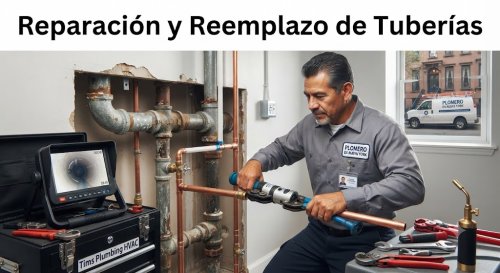
Diagnosing low water pressure requires systematically isolating whether the problem is localized to a single fixture or affecting the entire home. While cleaning an aerator is an easy DIY task, investigating hidden pipe corrosion, evaluating PRV performance, or executing a pipe repair requires professional diagnostic equipment and hands-on plumbing expertise. Addressing pressure issues early not only improves daily comfort but also prevents added strain on your water heater and household appliances.
Frequently Asked Questions
Why is my water pressure low only in the upstairs bathroom?
Water pressure naturally decreases as it travels upward against gravity. In older multi-story New Orleans homes, undersized supply lines or partial internal pipe blockages make this gravity drop even more pronounced at upper-level fixtures.
Can a water heater cause low hot water pressure?
Yes. If sediment builds up at the bottom of a traditional tank water heater or if the inlet valve is partially blocked, hot water pressure throughout the house may drop significantly while cold water pressure remains normal.
How can I tell if my galvanized pipes need replacement?
Warning signs include discolored or brownish tap water when you first turn on a faucet, noticeably declining water pressure over time, and visible exterior corrosion or bulging on exposed pipe sections in crawlspaces or utility areas.
Is low water pressure a sign of a hidden leak?
It can be. If a supply pipe develops a significant leak behind a wall or under the foundation, water escapes before reaching your fixtures, resulting in a sudden, noticeable drop in overall household water pressure.