Drain Maintenance Tips for Older New Orleans Homes
Discover essential drain maintenance tips tailored for historic and older homes in New Orleans, Louisiana. Prevent clogs, slow drains, and pipe damage.
Owning an older or historic home in neighborhoods like the French Quarter, Faubourg Marigny, or Uptown New Orleans comes with undeniable architectural charm. However, these vintage properties often feature aging plumbing systems that require special care. Over decades of service, cast iron, galvanized steel, or even older clay drain lines accumulate scale, grease, soap scum, and tree root intrusion. Implementing a proactive drain maintenance routine is essential to keep wastewater flowing smoothly and to avoid sudden plumbing emergencies in a historic New Orleans house.
Understanding the Plumbing Challenges of Historic New Orleans Properties
New Orleans presents unique environmental and structural conditions that impact residential drainage. High water tables, shifting alluvial soils, and massive old oak trees lining historic streets all place stress on underground sewer and drain lines. Furthermore, many older homes have undergone multiple renovations over the past century, resulting in a complex network of mixed-material piping. When older pipes age, their inner diameters narrow due to mineral buildup and corrosion, making them much more susceptible to everyday clogs.
Practical Daily and Weekly Drain Care Practices
Protecting older pipes starts with mindful everyday habits. Because historic drainage systems cannot handle the same abuse as modern PVC piping, residents must be particularly cautious about what goes down their sinks, showers, and toilets.
-
Kitchen Sinks: Never pour grease, cooking oil, or fat down a kitchen drain. In older, cooler pipes, liquefied grease quickly solidifies, acting as glue that traps food particles and builds up stubborn blockages. Always scrape plates into the trash and wipe pans with a paper towel before washing.
Bathroom Drains: Install fine mesh hair catchers in all tubs and showers. Hair combined with soap residue is one of the leading causes of slow bathroom sink and shower drains in older residences.
Washing Machines: If your laundry discharges into an older utility sink or standpipe, use a lint trap over the discharge hose to keep fabric fibers out of your vintage drainage lines.
Safe Cleaning Methods Versus Harsh Chemical Cleaners
When an older drain begins to run slowly, many homeowners reach for chemical drain cleaners from the hardware store. As an experienced plumber, I strongly advise against using harsh chemical products in older New Orleans homes. Strong acids and caustic lye generate extreme heat, which can crack fragile historic cast iron pipes, warp older plastic fittings, or damage deteriorated pipe joints. This often leads to expensive underground leaks or total pipe failure.
Instead, rely on mechanical cleaning methods or safe natural alternatives. A simple plunger or a manual hand auger (drain snake) can safely clear minor blockages near fixtures without chemical corrosion. For routine maintenance, flushing drains monthly with hot water and a mixture of baking soda and vinegar can help break down minor organic sludge buildup safely.
Recognizing Early Warning Signs of Drain Trouble
Catching drainage issues early prevents minor inconveniences from turning into major property damage. Keep an eye out for these common warning signs in older homes:
-
Slow-Draining Fixtures: If your bathtub or kitchen sink takes significantly longer to empty, it indicates narrowing pipe walls or an accumulating obstruction.
Gurgling Sounds: Bubbling or gurgling noises coming from toilets or sink drains when another fixture runs usually point to venting issues or a partial blockage restricting airflow.
Unpleasant Odors: Persistent damp, musty sewer smells inside the home often mean dry P-traps or cracked, aging vent lines.
Multiple Fixture Backups: If draining your washing machine causes water to back up into the shower or kitchen sink, you are dealing with a significant blockage in the main sanitary line.
When to Call a Professional Plumber
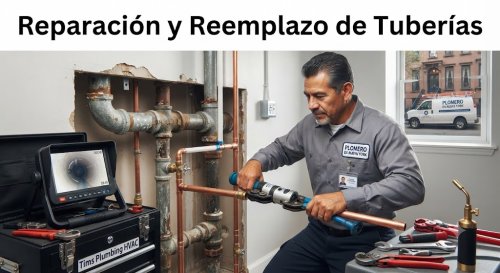
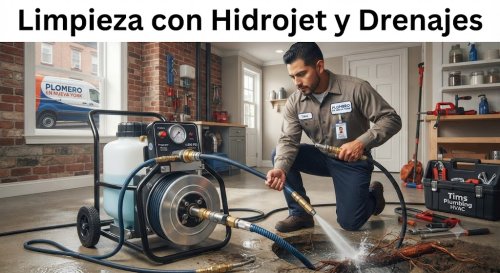
While routine cleaning and watchful habits go a long way, older plumbing systems eventually require professional intervention. Persistent clogs that return repeatedly after plunging, foul sewage odors, or slow drains affecting the entire house signal deeper issues within the system. Professional drain cleaning services, such as specialized hydro jetting or video camera inspections, can safely clear decades of scale and root intrusion from vintage pipes without risking structural damage to your historic New Orleans home.