Common Causes of Low Water Pressure in Older New Orleans Homes
Discover why older New Orleans homes suffer from low water pressure. Learn about mineral buildup, corroded galvanized pipes, and local plumbing factors.
Living in a historic home in neighborhoods like the Garden District, Faubourg Marigny, or Mid-City offers incredible architectural charm. However, these older New Orleans properties often come with aging plumbing infrastructures that struggle to meet modern demands. One of the most frequent complaints homeowners make is dealing with frustratingly low water pressure. Whether it is a trickle in the second-floor shower or a kitchen faucet that barely rinses a plate, understanding what causes this drop in pressure is the first step toward restoring proper flow.
The Legacy of Galvanized Steel Pipes
Many historic properties in New Orleans were originally built or renovated using galvanized steel piping for their supply lines. While durable for their era, galvanized pipes have a predictable lifespan of about 40 to 50 years. Over decades of service, the zinc coating on the inside of these pipes wears away, exposing the raw steel underneath.
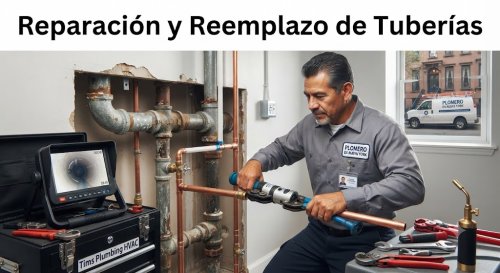
This exposure leads to interior rust and mineral corrosion. As iron oxide flakes off and mineral deposits accumulate inside the pipe, the internal diameter shrinks significantly. Think of it like cholesterol building up in an artery—the restricted pathway chokes the volume and pressure of the water traveling to your fixtures. If your home still has its original galvanized plumbing, whole-house repiping with modern PEX or copper materials is often the only permanent solution to chronic low water pressure.
Mineral Buildup and Hard Water Effects
While the municipal water supply in New Orleans is treated and monitored, mineral content can still create issues over time, especially when interacting with older water heaters and localized residential piping. Sediment and scale can gradually deposit inside supply lines, shut-off valves, and aerators. When sediment collects in the mesh screens of your faucet aerators or showerheads, it creates a localized bottleneck that mimics a major pressure drop throughout the entire house.
Fortunately, checking your aerators is one of the easiest troubleshooting steps a homeowner can take. Unscrewing the tip of the faucet and rinsing out trapped sand, grit, or mineral scale often restores a strong stream instantly.
Aging Pressure Regulators and Main Shut-Offs
Your home’s connection to the municipal water main relies on several control valves. Over decades, main shut-off valves and pressure reducing valves (PRVs) can fail or become partially blocked by debris. If a PRV fails internally, it can lock up and restrict water flow entirely, causing a sudden and dramatic drop in pressure across every bathroom and kitchen in the house.
Furthermore, older gate-style main valves can deteriorate internally, where the gate mechanism drops partway down even when the handle is turned to the fully open position. Inspecting these entry points is critical when diagnosing pressure issues in older local properties.
Hidden Leaks in Aging Underground or In-Wall Lines
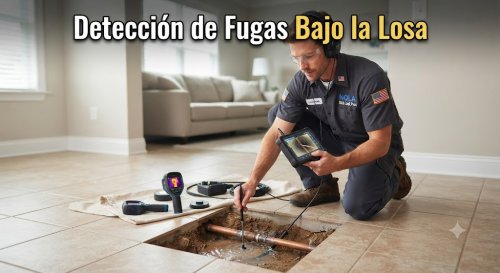
Older homes in the area often feature complex plumbing layouts, sometimes running through crawlspaces, slab foundations, or historic brick walls. When an aging pipe develops a slow pinhole leak or a cracked joint, water escapes before it can reach your fixtures. This loss of volume results in noticeable pressure drops when multiple taps are opened at once.
Because New Orleans soil conditions—often shifting clay and high moisture—can put stress on underground service lines entering the property, undetected yard leaks are another common culprit behind reduced household pressure.
How to Diagnose and Address Low Water Pressure
Pinpointing the exact cause of low water pressure requires a systematic approach:
- Test multiple fixtures: Determine if the low pressure affects only one sink or shower, or if it impacts the entire house. A single fixture issue usually points to a clogged aerator or cartridge, while whole-house issues point to supply pipes or pressure regulators.
- Check with neighbors: If your neighbors are experiencing similar drops, the issue may stem from municipal line maintenance or temporary city water work in your area.
- Inspect visible piping: Look at accessible pipes in your basement, crawlspace, or utility room. Extensive exterior rust or bulging on galvanized pipes is a clear sign of internal degradation.
Restoring proper flow in a historic property protects your daily comfort and prevents hidden water damage from worsening pipe failures. Addressing these pressure restrictions proactively ensures your home's plumbing system handles modern water demands reliably.