Emergency Plumber in Chalmette: Sewer Backup Guide
Dealing with a sewer line backup in Chalmette? Discover immediate steps, warning signs, local repair costs, and emergency protocols.
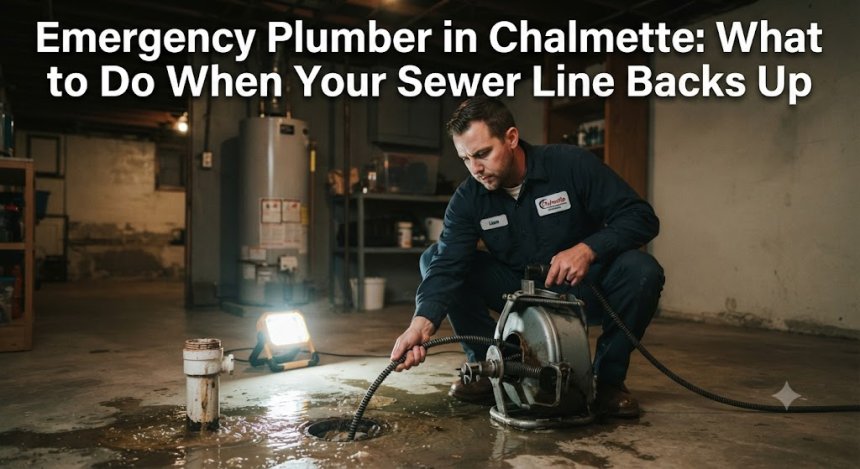
Emergency Plumber in Chalmette: What to Do When Your Sewer Line Backs Up
Dealing with an emergency plumber in Chalmette becomes an urgent priority when raw municipal wastewater begins bubbling up into your bathtubs, floor drains, and toilets. Properties across Chalmette, Arabi, St. Bernard Parish, and surrounding Greater New Orleans neighborhoods frequently contend with high water tables, shifting delta soils, and intrusive tree roots that compromise residential sewer infrastructure. When foul-smelling graywater or blackwater pools across bathroom tiles or kitchen floors, knowing how to react immediately prevents severe property contamination and structural destruction. Property owners searching for urgent guidance need practical steps to manage the crisis safely and connect with licensed plumbing professionals equipped to resolve heavy sewer blockages.
What Is a Sewer Line Back Up?
A sewer line back up is a severe plumbing and environmental failure where wastewater from the main lateral line is blocked from exiting the property and forced backward into home fixtures.
-
Definition: A complete or partial obstruction in the main sewer line that traps household sewage and redirects it upward through indoor drain openings.
-
Common Situations: Massive tree root incursions crushing older clay pipes, structural pipe collapses beneath concrete slabs, or severe grease accumulation.
-
Symptoms: Simultaneous gurgling sounds from multiple drains, toilets overflowing when washing machines run, and raw sewage pooling around lowest floor drains.
-
Real-World Example: A Chalmette homeowner runs a load of laundry and watches helplessly as dark, foul water overflows from the utility room floor drain across the floor.
Why Does This Plumbing Problem Happen?
Sewer backups rarely occur without an underlying physical catalyst. Identifying these root causes helps property owners spot vulnerabilities before total system failure strikes.
-
Aging Infrastructure: Decades-old cast iron or clay sewer laterals that corrode, sag, or fracture under ground pressure.
-
Corrosion: Chemical breakdown of older metal pipes that creates rough interior surfaces, catching solid waste and toilet paper.
-
Tree Roots: Aggressive root systems from live oaks and local foliage infiltrating pipe joints seeking moisture and nutrients.
-
Hard Water: Heavy mineral scaling that narrows pipe interiors over time, reducing overall wastewater capacity.
-
High Water Pressure: While affecting supply lines more, pressure irregularities can cause excessive fixture usage that strains drainage volumes.
-
Improper Installation: Inadequately sloped sewer lines that fail to maintain proper gravity drainage velocity.
-
Poor Maintenance: Neglecting routine sewer line inspections and professional cleanings.
-
Seasonal Weather: Heavy regional downpours in Southeast Louisiana saturating soil and shifting underground pipes.
-
Frozen Pipes: Rare in southern climates, but extreme cold can impact shallow outdoor drain traps.
-
Clogs and Blockages: Accumulation of non-flushable wipes, hair, grease, and foreign objects.
-
Sewer Backups: Municipal main line overloads that force public sewage backward into residential laterals.
-
Worn Plumbing Fixtures: Aged toilet flanges and degraded seals contributing to irregular waste flow.
Signs You Should Never Ignore
Subtle warning signs almost always manifest before a sewer line completely fails. Recognizing these red flags prevents devastating wastewater backups.
-
Water Stains: Discolored patches around lower walls and baseboards near floor drains indicating minor historic overflows.
-
Slow Drains: Sinks, tubs, and showers that consistently drain sluggishly despite independent plunging or store-bought chemicals.
-
Low Water Pressure: While primarily a supply issue, pressure drops can coincide with erratic water usage habits during backups.
-
High Water Bills: Hidden leaks or running toilets contributing to excessive utility billing cycles.
-
Damp Walls: Moisture accumulation in lower structural cavities caused by slow, unaddressed sub-floor leaks.
-
Mold Growth: Musty, earthy odors and mold colonies proliferating around low-level drainage points.
-
Strange Noises: Deep gurgling or bubbling sounds echoing from toilets and drains when other fixtures are used.
-
Bad Smells: Foul sewer gas odors lingering near floor drains, sinks, and yard cleanout caps.
-
Standing Water: Unexplained wet patches or puddles forming in the yard directly above the buried sewer lateral.
-
Discolored Water: Muddy or contaminated water appearing in fixtures closest to the main drainage line.
Common Plumbing Problems Related to This Issue
Sewer backups are frequently tied to broader structural and mechanical plumbing complications.
-
Pipe Leaks: Fractured joints leaking raw sewage into surrounding sub-base soils.
-
Drain Clogs: Secondary branch line blockages compounding the primary main line failure.
-
Sewer Backups: Total municipal line surcharges forcing wastewater backward into private properties.
-
Water Heater Failures: Flooded utility rooms combining with drain backups to magnify property damage.
-
Burst Pipes: Extreme hydrostatic pressure cracking fragile upstream pipe walls.
-
Slab Leaks: Sub-foundation breaks eroding structural soil foundations.
-
Fixture Damage: Ruined flooring, warped cabinetry, and corroded fixture hardware caused by sewage exposure.
Step-by-Step Professional Repair Process
When a licensed technician arrives at your property, they execute a precise, methodical protocol to resolve the emergency.
-
Step 1: Inspection: Visually assessing affected fixtures and locating exterior sewer cleanout access points.
-
Step 2: Diagnosis: Inserting high-definition digital cameras into the main line to pinpoint the exact nature and location of the blockage.
-
Step 3: Estimate: Providing a transparent, itemized cost proposal before initiating intensive clearing work.
-
Step 4: Repair: Deploying heavy-duty mechanical augers or hydro-jetting equipment to obliterate the blockage and scour pipe walls.
-
Step 5: Testing: Running multiple household fixtures simultaneously and performing a follow-up camera sweep to verify full flow restoration.
-
Step 6: Cleanup: Sanitizing affected work areas, removing debris, and ensuring the property is left hygienic.
-
Step 7: Maintenance Advice: Offering professional guidance on scheduled cleaning and root inhibitor treatments.
Can You Fix It Yourself?
Attempting to clear a severely backed-up sewer line with consumer chemical drain openers or small handheld store-bought augers is generally ineffective and hazardous. Chemical cleaners sit in the blocked pipe, creating toxic splash-back risks for anyone trying to manually snake the line afterward. Professional intervention using commercial-grade machinery is mandatory to safely clear deep lateral obstructions without puncturing fragile old pipes.
Tools Professionals Use
Modern plumbing relies on advanced technological equipment to diagnose and resolve deep drainage failures with precision.
-
Drain Cameras: Waterproof fiber-optic scopes that display real-time interior pipe conditions on a monitor.
-
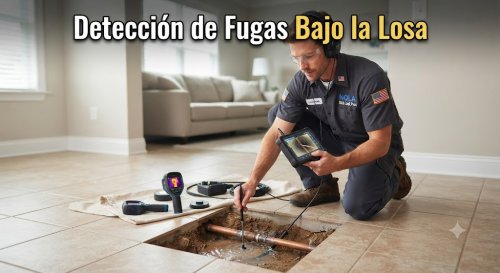
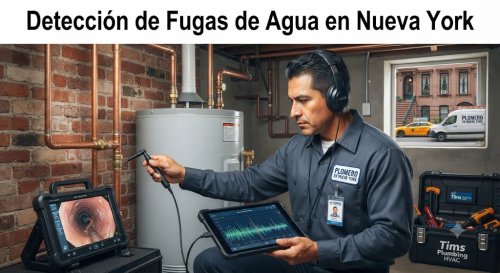
Leak Detection Equipment: Electronic listening devices used to trace hidden underground pipes and leaks.
-
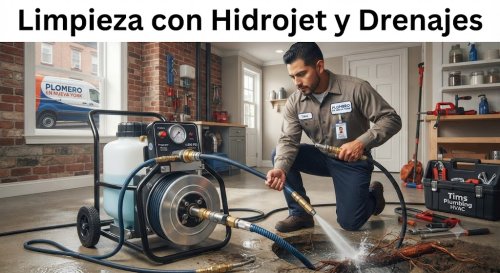
Hydro Jetting: High-pressure water streams capable of slicing through tree roots, grease, and hardened scale.
-
Pipe Locators: Electromagnetic transmitters that map the exact depth and path of buried sewer lines.
-
Pressure Testing Gauges: Tools utilized to verify the structural integrity of repaired or replaced pipe networks.
-
Pipe Inspection Cameras: Specialized ultra-slim lenses for inspecting tight branch lines.
-
Trenchless Equipment: Advanced machinery designed to repair sewer lines underground without destroying landscaping.
How Long Does the Repair Usually Take?
Repair timelines fluctuate depending on the complexity, location, and severity of the sewer blockage.
-
Simple Repairs: 1 to 2 hours for standard mechanical snaking of an accessible mainline cleanout.
-
Moderate Repairs: 3 to 5 hours when heavy hydro-jetting or root cutting is required.
-
Major Repairs: 1 to 2 days for localized sewer line excavation and structural pipe replacement.
-
Emergency Repairs: Immediate dispatch followed by rapid clearance within a few hours to stop active sewage backups.
Cost Factors
Plumbing repair costs vary depending on the severity of the problem, accessibility, materials required, emergency service, property type, and local labor rates.
-
Diagnostic Fees: Initial dispatch and camera inspection charges to locate the blockage.
-
Parts: Materials needed if pipe sections must be replaced due to collapse or root damage.
-
Labor: Specialized technician hours required for intensive hydro-jetting or excavation.
-
Emergency Service Charges: Special rates for after-hours, weekend, or holiday dispatches.
-
Equipment Needed: Specialized deployment of high-pressure jetters or electronic pipe locators.
-
Permit Costs: Municipal fees required for major outdoor sewer line replacements.
-
Replacement vs Repair: Choosing between spot pipe patching versus a complete sewer lateral overhaul.
-
Accessibility of Pipes: Extra labor costs if cleanouts are buried or pipes run deep beneath concrete structures.
Hidden Truths Homeowners Should Know
Practical realities dictate that ignoring slow drains always leads to catastrophic sewage emergencies. Small partial clogs escalate into complete main line blockages rapidly under normal household use. Cheap chemical drain solutions frequently fail and can severely corrode metal pipe interiors. Furthermore, standard homeowners insurance policies often exclude damage caused by neglected sewer maintenance and tree root intrusion. Hard water mineral buildup shortens fixture and pipe lifespan, while DIY mistakes routinely increase overall repair costs. Delaying repairs causes severe structural wood rot and hazardous mold growth within 24 to 48 hours, while hidden leaks silently drive up utility bills. Routine annual maintenance remains the single best financial strategy for homeowners.
15 Common Mistakes Homeowners Make
-
Ignoring slow-draining sinks and tubs until a total main line blockage forms.
-
Pouring caustic chemical drain cleaners into lines that are completely blocked.
-
Flushing non-disposable wet wipes, paper towels, and hygiene items down toilets.
-
Pouring kitchen grease, fats, and oils directly down the kitchen sink.
-
Neglecting regular professional drain cleaning and system inspections.
-
Hiring unlicensed handymen lacking proper equipment for main sewer lines.
-
Skipping annual plumbing evaluations before heavy storm seasons.
-
Waiting for a total sewage backup before seeking professional assistance.
-
Using incorrect pipe materials during amateur DIY plumbing modifications.
-
Over-tightening plumbing connections and cracking plastic fittings.
-
Failing to locate or clear vegetation away from outdoor sewer cleanout caps.
-
Planting large trees with aggressive root systems directly over sewer lines.
-
Overloading garbage disposals with fibrous vegetable peelings and coffee grounds.
-
Neglecting to install backwater prevention valves in flood-prone areas.
-
Attempting deep excavation work without utility locating services.
Maintenance Tips
-
Schedule professional hydro-jetting or main line cleaning every 18 to 24 months.
-
Install hair catchers in all shower and tub drains to minimize debris accumulation.
-
Never pour cooking fats, oils, or grease down any household sink drain.
-
Keep outdoor sewer cleanout caps securely closed and clearly visible.
-
Avoid planting large trees or shrubs near underground sewer lateral paths.
-
Teach all household members never to flush "flushable" wipes or hygiene products.
-
Run hot water down kitchen drains after heavy use to keep grease liquefied.
-
Monitor your water meter during periods of zero usage to catch hidden leaks.
-
Keep emergency contact numbers for local plumbing professionals saved in your phone.
-
Use enzyme-based natural drain treatments monthly to maintain organic pipe cleanliness.
-
Inspect basement and ground-level floor drains regularly for signs of bubbling.
-
Keep cleanout access points clear of mulch, landscaping, and paving stones.
-
Protect exposed pipes in unheated areas from unexpected winter temperature plunges.
-
Address minor fixture clogs immediately before they migrate into the main line.
-
Consult a licensed plumber before attempting any chemical or mechanical DIY interventions.
When Should You Call an Emergency Plumber?
-
Raw sewage backing up simultaneously into multiple tubs, showers, and toilets.
-
Total stoppage of all wastewater drainage across the entire property.
-
Persistent gurgling noises accompanied by foul sewage odors indoors.
-
Overflowing floor drains during standard household appliance usage.
-
Gas line concerns or suspected natural gas leaks if licensed service is offered.
-
Major wastewater leaks threatening electrical systems or structural subflooring.
-
Complete flooding of lower-level spaces due to municipal or main line surcharges.
Frequently Asked Questions
-
Why is my water pressure suddenly low? Mineral scale buildup inside pipes, a failing pressure reducing valve, or a hidden supply line leak typically cause sudden pressure drops.
-
How much does leak detection cost? Costs vary based on the technology required, but electronic detection saves money by preventing destructive exploratory demolition.
-
Can a clogged drain damage pipes? Yes, persistent blockages generate extreme hydrostatic pressure that cracks older pipe joints and weakens wall structures.
-
Is hydro jetting safe for old pipes? A licensed plumber must inspect fragile historic lines first to verify that high-pressure water streams will not compromise structural integrity.
-
How do I know if my sewer line is broken? Frequent backups, foul sewage odors, soggy lawn patches, and multiple simultaneous slow drains indicate a broken sewer line.
-
How long do water heaters last? Standard tank water heaters generally last between 8 to 12 years with proper annual flushing and maintenance.