Drain Cleaning Cost in New Orleans: What to Expect
Discover drain cleaning costs in New Orleans, LA. Learn about factors, causes, DIY limits, and when to call Plumber in New Orleans for help.
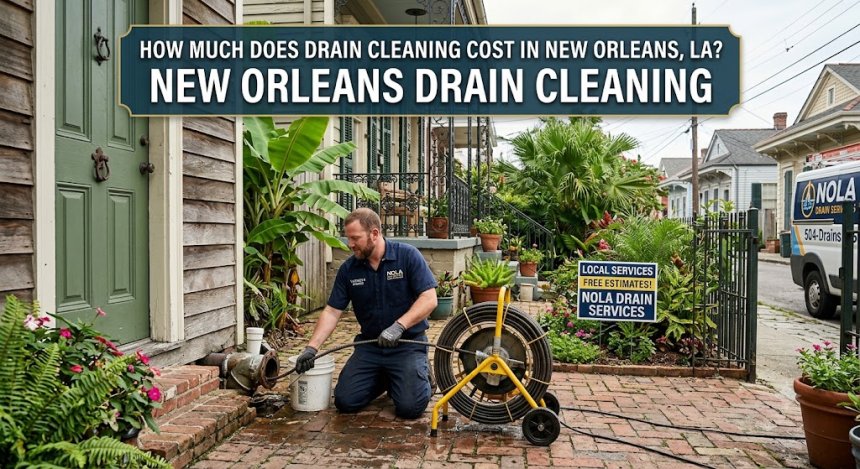
How Much Does Drain Cleaning Cost in New Orleans, LA? Comprehensive Guide
A clogged drain is more than a minor inconvenience; it disrupts your daily life and, if left unaddressed, can lead to severe plumbing failures. For homeowners and business owners in New Orleans, the unique landscape and older infrastructure present specific challenges that make professional drain cleaning a common necessity. Understanding the associated costs and the factors influencing them is the first step toward a permanent solution.
At Plumber in New Orleans, we believe in empowering our community with knowledge. This guide will cover everything you need to know about drain cleaning costs in New Orleans, LA, from local factors affecting the price to what to expect during the service across neighborhoods like Uptown, the Garden District, and the French Quarter, extending into nearby cities and Jefferson Parish.
What Is Professional Drain Cleaning?
Professional drain cleaning goes far beyond what a standard plunger or a bottle of store-bought chemical cleaner can achieve. It is the use of specialized equipment and expertise to remove severe blockages, buildup, and debris from your home’s or business's wastewater pipes. This process restores full flow and function to your sinks, toilets, showers, and main sewer line.
Common situations requiring professional intervention in New Orleans include:
-
Recurring Clogs: A toilet or sink that clogs repeatedly after DIY attempts.
-
Multiple Slow Drains: When water backs up in a bathtub while the kitchen sink is running, it indicates a main line blockage.
-
Foul Odors: Persistent sewage smells emanating from drains.
-
Gurgling Sounds: Air trapped in the pipes due to a blockage causes gurgling.
Why Does This Plumbing Problem Happen in New Orleans?
New Orleans has unique plumbing challenges. Understanding the "why" can help you appreciate the complexity of the repair and the value of professional cleaning.
Aging Infrastructure and Pipe Corrosion
Many homes in older historic areas feature aging plumbing systems. Cast iron pipes, common in older construction, corrode and flake internally, creating rough surfaces where grease, hair, and solids easily snag.
Tree Root Intrusion
The city's iconic oak trees have expansive root systems that seek moisture. If a pipe has a tiny crack or a loose joint, roots will infiltrate it, causing severe blockages that require professional auguring or hydro jetting.
"Fatbergs" and Grease Buildup
The culinary culture of New Orleans involves a significant amount of fats, oils, and grease (FOG). When poured down the drain, these solidify, combining with wipes and other debris to form massive, stubborn clogs known as fatbergs.
Flat Terrain and Subsidence
New Orleans is below sea level, and the terrain is extremely flat. This relies heavily on proper pipe grading and municipal pumping stations. If the pitch of your sewer lateral is off, or if the city's main line has issues due to subsidence (sinking land), debris will settle in your pipes.
Signs You Should Never Ignore
Ignoring slow or clogged drains can lead to catastrophic damage. Call a professional plumber if you notice:
-
Water Stains or Dampness: Stains on ceilings below bathrooms or damp spots on drywall near plumbing.
-
Slow Drains: Water taking a long time to empty from the sink, tub, or shower.
-
Low Water Pressure: Often a sign of mineral buildup or a leak, but sometimes related to clogs affecting flow.
-
High Water Bills: A sudden spike can indicate a hidden leak caused by pressure buildup behind a clog.
-
Mold Growth: An unexpected patch of mold near a drain pipe often signals a slow leak or sewage backup.
-
Strange Noises: Gurgling or bubbling sounds from drains when you flush a toilet or use a sink.
-
Bad Smells: A strong odor of rotting food or sewage indicates trapped organic matter or a venting issue.
-
Standing Water or Sewage: The most obvious sign—if you see water or sewage backing up into your tub, sink, or basement floor drain, this is an emergency.
-
Discolored Water: Brown or rusty water can indicate severe pipe corrosion upstream of the drain.
Common Plumbing Problems Related to Clogs
A localized clog in a kitchen sink is one thing, but it can lead to broader issues:
-
Pipe Leaks: The pressure from a severe clog can cause pipes to crack or joints to separate.
-
Sewer Backups: A blockage in the main sewer line forces wastewater back into your home through the lowest drains.
-
Fixture Damage: Corrosive drain cleaners or the pressure of a blockage can damage sinks, tubs, and toilets.
-
Slab Leaks: In severe cases, pressure can cause pipes beneath a concrete slab foundation to burst.
Step-by-Step Professional Repair Process
When you hire a reputable plumber, they follow a systematic approach to ensure the problem is resolved correctly and safely.
-
Step 1 Inspection: The plumber listens to your description of the problem and conducts a visual inspection of the affected area.
-
Step 2 Diagnosis: To accurately locate and identify the clog, a licensed plumber will insert a waterproof drain camera into the pipe to reveal the exact cause.
-
Step 3 Estimate: Based on the camera inspection, the plumber will explain the findings and provide a transparent, upfront estimate.
-
Step 4 Repair: Using mechanical auguring (snaking) or high-pressure hydro jetting, the blockage is thoroughly cleared.
-
Step 5 Testing: The plumber will run water and flush toilets to ensure the flow is fully restored.
-
Step 6 Cleanup: The work area is cleaned, leaving your property neat and tidy.
-
Step 7 Maintenance Advice: The plumber will offer practical tips on preventing future clogs.
Can You Fix It Yourself?
Many homeowners wonder: Can a clogged drain damage pipes? While minor hair clogs in a bathroom sink can often be cleared with a plunger or a small plastic drain snake, major main line blockages require professional tools.
-
Safe DIY Solutions: Pouring boiling water down metal pipes for minor grease buildup, or removing and cleaning the P-trap under a sink.
-
What to Avoid: Never use harsh chemical liquid drain cleaners, as they corrode pipes and endanger technicians. Avoid aggressive plunging if you suspect a vent issue or structural break.
-
When Professional Help is Necessary: If multiple drains clog simultaneously, if water backs up from floor drains, or if DIY methods fail after one attempt, it is time to call a licensed professional.
Tools Professionals Use
Professional plumbers use advanced equipment to ensure accuracy and prevent unnecessary property damage:
-
Drain Cameras: Waterproof push cameras provide a real-time view inside the pipe network.
-
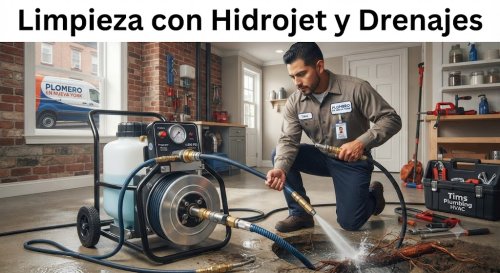
Hydro Jetting Equipment: Delivers high-pressure water streams to scour away stubborn grease and tree roots.
-
Pipe Locators: Radio transmitters paired with surface detectors map the exact underground path of a damaged pipe.
-
Motorized Augers (Snakes): Heavy-duty rotating cables designed to break apart tough obstructions.
-
Pressure Testing Kits: Used to check system integrity and detect hidden leaks.
How Long Does the Repair Usually Take?
-
Simple Repairs: Clearing a single sink or shower drain typically takes 30 minutes to 1 hour.
-
Moderate Repairs: Main line snaking or clearing a stubborn toilet clog usually takes 1 to 2 hours.
-
Major Repairs: Extensive hydro jetting or locating deep-seated root intrusion can take 2 to 4 hours.
-
Emergency Repairs: Response times vary based on traffic and location across our service area, but urgent dispatches are prioritized immediately.
Cost Factors
Do you wonder how much does leak detection cost or what determines final pricing? Plumbing repair costs vary depending on the severity of the problem, accessibility, materials required, emergency service, property type, and local labor rates.
-
Diagnostic Fees: Covers the technician's travel and troubleshooting time.
-
Labor & Time: Complex setups or hard-to-reach pipes require extended labor hours.
-
Equipment Needed: Specialized tools like video cameras or hydro jetters influence the service tier.
-
Accessibility: Main lines buried deep underground or under finished flooring require more effort to access.
-
Emergency vs. Scheduled: After-hours, weekend, or holiday dispatches include emergency service rates.
Hidden Truths Homeowners Should Know
-
Small leaks quickly evolve into expensive structural repairs if ignored.
-
Cheap chemical temporary fixes often corrode pipe walls and fail rapidly.
-
Homeowners insurance policies rarely cover damage caused by long-term plumbing neglect.
-
Tree roots will repeatedly infiltrate compromised sewer lines unless permanently addressed or lined.
-
Hard water speeds up mineral scale buildup, shortening fixture lifespans.
-
DIY mistakes can easily turn a minor blockage into a costly pipe replacement project.
-
Hidden leaks inflate utility bills silently before visible signs appear.
-
Mold begins flourishing within 24 to 48 hours of constant moisture exposure.
-
Routine annual maintenance saves thousands of dollars in emergency plumbing bills over time.
15 Common Mistakes Homeowners Make
-
Ignoring Leaks: Letting small drips persist under sinks or around fixtures.
-
Using Chemical Drain Cleaners: Pouring harsh acid-based liquids that degrade pipe integrity.
-
Flushing Wipes: Dropping "flushable" wet wipes, paper towels, or hygiene products down the toilet.
-
Pouring Grease into Drains: Letting cooking oils and bacon grease go down the kitchen sink.
-
Ignoring Water Pressure Problems: Failing to investigate sudden drops or spikes in home water pressure.
-
Hiring Unlicensed Plumbers: Working with uninsured handymen who skip local building codes.
-
Skipping Maintenance: Neglecting annual drain and water heater checkups.
-
Waiting Until Emergencies: Delaying service until sewage backs up into living spaces.
-
Using Wrong Pipe Materials: Mismatching PVC, ABS, and cast iron parts during DIY fixes.
-
Over-tightening Fittings: Stripping threads or cracking PVC adapters with excessive torque.
-
Overloading Disposals: Dumping large amounts of potato peels, rice, or fibrous foods down the disposal.
-
Not Knowing Shutoff Locations: Panicking because nobody knows where the main water shutoff valve is.
-
Disposing Coffee Grounds: Pouring wet coffee grounds down the drain where they pack together like cement.
-
Skipping Hair Catchers: Allowing loose shower hair to enter branch drain lines unchecked.
-
Over-reliance on Plungers: Forcing excessive pressure against older wax rings or fragile pipe joints.
Maintenance Tips
-
Install fine mesh strainers on all kitchen sinks, tubs, and bathroom showers.
-
Collect cooking fats in a tin can and discard them in the solid trash.
-
Run hot tap water down the kitchen sink for a minute after washing greasy dishes.
-
Use monthly biological, enzyme-based drain cleaners to naturally digest organic buildup.
-
Grind ice cubes and citrus peels in your garbage disposal to clean blades safely.
-
Regularly check under bathroom and kitchen cabinets for dampness or pooling water.
-
Monitor your main water pressure gauge to ensure readings stay between 40 and 80 psi.
-
Test and inspect your sump pump ahead of heavy seasonal storms.
-
Keep large trees and aggressive shrubs away from underground sewer lateral paths.
-
Flush only human waste and standard toilet paper down toilets.
-
Locate and mark your property's main outdoor sewer cleanout access port.
-
Avoid putting excessive paper products into older vintage plumbing systems.
-
Clean your washing machine discharge lint trap to keep laundry lines flowing.
-
Keep your home adequately ventilated to minimize humidity-driven plumbing wear.
-
Insulate exposed pipes if unexpected freezing winter temperatures strike the region.
-
Schedule a comprehensive professional plumbing inspection once a year.
-
Clear outdoor area drains and gutter downspouts of autumn leaves and debris.
-
Promptly fix minor running toilets or dripping faucets before they compound.
-
Flush your water heater tank annually to clear out accumulated mineral sediment.
-
Ask a professional about root barriers if you live near mature oak trees.
When Should You Call an Emergency Plumber?
Certain situations demand immediate professional intervention to protect your property and health:
-
Burst Pipes: Major pipe ruptures flooding floors or walls.
-
Sewage Backups: Raw wastewater surging up through multiple household drains.
-
No Running Water: Unexplained complete loss of water supply to the home.
-
Overflowing Toilets: Continuous toilet overflows that refuse to stop via the local shutoff valve.
-
Major Leaks: High-volume leaks threatening structural integrity or electrical systems.
-
Severe Flooding: Water accumulation threatening living areas due to plumbing failure.
Frequently Asked Questions
Why is my water pressure suddenly low? Sudden low pressure is often due to a clogged aerator on a single faucet, but if it affects the whole house, it can signal a hidden leak, pressure regulator failure, or main line restriction.
How much does leak detection cost? Leak detection costs vary based on the accessibility of the leak and the technology required, such as acoustic listening devices or thermal imaging.
Can a clogged drain damage pipes? Yes. A severe blockage creates immense internal pressure that can crack pipes, separate joints, and cause older materials to rupture.
Is hydro jetting safe for old pipes? A professional plumber must inspect the pipe condition with a camera first. While highly effective, hydro jetting can damage heavily corroded or structurally compromised pipes.
How do I know if my sewer line is broken? Warning signs include multiple slow drains, sewage backup in the lowest level, foul odors in the yard, and unusually lush patches of grass over the pipe trench.
How long do water heaters last? Traditional tank water heaters typically last 10 to 15 years, while tankless models can last 20 years or more with proper annual flushing.
Why does my faucet drip? A dripping faucet is usually caused by a worn washer, O-ring, or cartridge that needs replacement.
What causes pipes to burst? Common causes include extreme pressure buildup from clogs, severe internal corrosion, physical trauma from tree roots, or freezing temperatures.
Can plumbing leaks increase my water bill? Absolutely. Even a minor hidden leak can waste thousands of gallons over a billing cycle, leading to unexpectedly high utility charges.
When should I replace plumbing instead of repairing it? If your property has severely deteriorated galvanized or cast iron pipes that experience recurring failures, complete repiping is more cost-effective than continuous patch repairs.
Why Choose Our Plumbing Company
At Plumber in New Orleans, we combine technical expertise with a commitment to transparent, friendly service.
-
Experienced Licensed Plumbers: Fully certified professionals equipped to handle any residential or commercial challenge.
-
Honest Recommendations: We use camera technology to show you the exact problem and offer straightforward advice.
-
Upfront Estimates: Clear, detailed pricing provided before any work starts so there are no surprises.
-
Fast Response: Prompt dispatch times to address your plumbing needs quickly.
-
Emergency Availability: 24/7 readiness for urgent plumbing crises.
-
Quality Workmanship: Lasting repairs backed by professional standards.
-
Modern Equipment: Utilizing state-of-the-art diagnostic cameras and hydro jetters.
-
Customer Satisfaction: Dedicated to delivering a reliable, stress-free experience.
-
Local Expertise: Deep familiarity with the unique soil, weather, and infrastructure of New Orleans and surrounding areas.