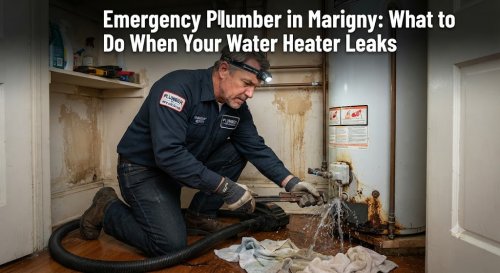
{{ $json.selected_topic }} in New Orleans Homes
Master plumber guide to diagnosing and resolving {{ $json.selected_topic }} in New Orleans historic homes, slab foundations, and high water tables.

Understanding {{ $json.selected_topic }} in New Orleans Plumbing Systems
Dealing with {{ $json.selected_topic }} requires a firm grasp of both standard hydraulic principles and the unique environmental challenges present in the New Orleans area. From shifting alluvial soils to high local water tables and historic pier-and-beam construction, residential plumbing systems here face distinct stressors that accelerate wear and tear.
At its core, this issue involves the interaction between fluid dynamics, pressure variances, and structural integrity. When a fixture or pipe run fails, it rarely happens in a vacuum. Water follows the path of least resistance, often traveling along framing or subflooring far away from the actual point of failure. Recognizing whether the problem is localized to a single fixture, part of a secondary branch line, or tied directly to the main building sewer is the first step toward an effective remedy.
Physical System Mechanics and Hydraulic Pressures
Every residential plumbing layout relies on a delicate balance of supply pressure, gravity drainage, and atmospheric venting. When {{ $json.selected_topic }} occurs, it disrupts this equilibrium. In supply lines, excessive static pressure—often exceeding 80 PSI from municipal water mains—can strain joints, valves, and older galvanized or copper piping. Conversely, in drainage systems, improper drop angles or obstructed vent stacks create negative pressure vacuums, pulling water out of fixture traps and allowing sewer gases to enter living spaces.
Furthermore, New Orleans' high groundwater table and saturated delta soils subject underground lateral lines to constant hydrostatic pressure. As the ground shifts and settles, clay, cast-iron, and even older PVC pipes can experience joint separation, offset alignments, or structural cracking, directly contributing to {{ $json.selected_topic }} across the property.
Overlooked Trade Secrets for Local Property Owners
Standard do-it-yourself guides often miss critical diagnostic indicators unique to regional construction styles. Here are several professional trade insights:
- Gravity Runs and Joist Tracking: Water stains on a ceiling are frequently located feet away from the actual leak source. Water follows the underside of floor joists before dropping, making visual surface inspection misleading.
- The Illusion of Chemical Clearing: Pouring acidic or caustic chemical drain cleaners down slow drains often provides only temporary relief. In many cases, it masks an underlying root intrusion or structural collapse in aging cast-iron under-slab lines.
- <Vent Stack Restrictions: A sluggish or gurgling drain is not always caused by a physical blockage in the pipe. Birds' nests, leaves, or scale buildup in roof vent stacks restrict airflow, destroying the siphon effect needed for smooth drainage.
- Static Pressure vs. Dynamic Flow: A home might show a high static pressure reading on a hose bib gauge, yet experience a dramatic drop in dynamic flow (GPM) when multiple fixtures run simultaneously due to mineral scaling inside restrictive pipe diameters.
Safe Homeowner Triage vs. Dangerous DIY Boundaries
Knowing when to intervene safely and when to step back is critical to preventing property damage and personal injury.
Safe Homeowner Steps
- Locate and test your main indoor water shutoff valve, as well as knowing the location of the street-side meter box curb stop.
- Perform basic dye tests in toilet tanks to check for silent flapper leaks that inflate water bills.
- Monitor your water meter's low-flow indicator triangle to detect hidden underground or slab leaks.
- Inspect accessible cleanouts in crawlspaces or utility areas for dampness or external weeping.
Explicit Warnings
- Never unthread a sewer cleanout cap if you suspect a major downstream blockage under liquid head pressure, as it can release a hazardous surge of sewage.
- Avoid working on gas flex lines or attempting DIY repairs on gas-fired water heaters.
- Never touch electrical panels or outlets in flooded basements or standing crawlspace water without verified grid isolation.
- Do not use corrosive chemical drain openers in vintage cast-iron drainage systems, as the chemical reaction can eat through weakened pipe walls.
Comparison: Diagnostic Indicators and Repair Paths
| Symptom Indicator | Probable Root Cause | Recommended Action |
|---|---|---|
| Localized dampness near a single fixture | Loose supply connector or local seal failure | Inspect, tighten, or replace fixture supply lines. |
| Multiple slow drains with foul odors | Main sewer line obstruction or vent stack blockage | Camera inspection and professional snaking or hydro-jetting. |
| Unexplained high water bill with no visible water | Under-slab leak or running toilet | Isolation testing and electronic leak detection. |
| Recurrent backups after recent clearing | Broken pipe, offset joint, or severe root intrusion | Sectional pipe replacement or trenchless pipe lining. |
Realistic Repair Approaches and Decision Support
When addressing {{ $json.selected_topic }}, repair strategies range from minor targeted interventions to major infrastructure overhauls. For isolated pipe breaches in accessible crawlspaces typical of raised New Orleans shotgun homes, a spot clamp or sectional pipe replacement is often straightforward. However, when issues involve lines running beneath concrete slab foundations, solutions require more invasive techniques such as breaking through concrete or utilizing trenchless pipe lining methods.
Pricing and project scope are influenced heavily by local variables: crawlspace clearance, soil conditions, historic preservation guidelines in districts like the French Quarter or Garden District, and municipal permit requirements governed by Orleans Parish. Weighing the long-term durability of spot repairs against a comprehensive repiping project ensures that the chosen solution protects your property investment for decades to come.
Frequently Asked Questions
1. How can I tell if {{ $json.selected_topic }} is a local fixture issue or a main line problem?
If only one sink, tub, or toilet is affected, the issue is typically isolated to that fixture's immediate trap or branch line. If multiple plumbing fixtures throughout the house back up or lose pressure simultaneously, the problem is likely rooted in the main sewer or water supply line.
2. Why do historic New Orleans homes experience more frequent plumbing complications?
Historic properties often feature aging materials like cast iron, galvanized steel, or early clay pipes that have exceeded their standard service life. Combined with shifting delta soils and high moisture levels, these legacy systems are more susceptible to joint separation and structural failure.
3. Can high water pressure cause recurring plumbing leaks?
Yes. Municipal water pressure exceeding 80 PSI places continuous mechanical stress on appliance valves, faucet cartridges, and pipe joints, dramatically increasing the likelihood of sudden leaks or premature failure.
4. What should I do immediately if I suspect an active leak beneath a slab foundation?
Immediately shut off the main water supply to limit structural damage. Monitor your water meter to confirm ongoing flow when all indoor fixtures are closed, and consult a qualified plumbing professional equipped with electronic listening equipment for precise leak location.
5. Are chemical drain cleaners safe to use on stubborn clogs?
In most cases, heavy chemical drain openers are discouraged. They generate extreme heat that can warp PVC pipes and accelerate corrosion in older metal drain lines while often failing to remove solid obstructions like tree roots or grease buildup.
6. How do weather and seasonal temperature shifts impact local plumbing systems?
While New Orleans rarely experiences hard freezes, dramatic shifts in soil moisture between heavy rainy seasons and dry summer months cause the local clay-heavy soil to expand and contract, placing tremendous shear stress on underground drainage and water pipes.